Back in January I decided to write a series of posts on here which focused on what my writing life has been like over the years. I wanted to share specific aspects that I thought might be helpful for writers just starting out, and also for seasoned writers who maybe just needed a reminder that we all experience very similar highs and lows, and to offer some encouragement to keep going during times you question your sanity, or ask yourself if it’s all worth it.
Over the past couple of months I’ve found it particularly difficult to focus on my writing. I’ve been struggling with tiredness and brain fog, a combination which isn’t great when you’re trying to plot and write a new book. But I’ve been determined to keep getting words down on paper/screen, and keep telling myself the first draft does not need to be perfect.
Embarking on a new book has reminded me of two important things:
It’s important to keep showing up
Each book takes shape in a different way
For my new project I’m trying to get words down not every day, but every week. That’s a win for me just now, and keeps the momentum going. Even although I was knackered yesterday I made myself sit down at my laptop and continue with my next chapter. I’m also doing my usual; scribbling notes in various notebooks and on the notes page on my phone. These pages are filled with plot ideas, characters and locations, that don’t yet have a place on the page, but I know they might eventually fit in somewhere, and it keeps the story ‘alive’ in my head. For me this is all part of the process.
I’d say so far my ‘work in progress’ is a bit messier than usual and as the book will require a lot of detailed description (to world build), I’m finding this is slowing down my natural writing style (which is usually a bit more dialogue heavy). I’m allowing myself to skirt over parts of the descriptions and will go back to fill it in later on. I know I’ll then enjoy it more because by then I’ll be able to see the whole plot laid out in front of me, and see what I need to do to enrich the world and bring it alive (hopefully) for the reader.
I usually like to edit and perfect my story as I go along, so I’m finding it challenging to allow myself to leave messy pages sitting in amongst the more polished ones. I’m used to writing contemporary stories, and this one has a magical element sitting alongside the everyday, so it’s teaching me that it’s okay to deviate from my usual way of working, as its a completely different style of story I am writing.
So as I draw this particular series to an end, if you have been embarking on a new creative project this year, or find yourself at the start of a new writing journey, my parting advice to you is simple:
Keep showing up.
No matter how messy your project might be looking right now, write through it, and come back and tidy up later on.
Watch this space for some insights into other writers’ journeys. I’ve not quite decided what this might look like, but after capturing some of my own experiences over the years, it’s made me curious to hear from other writers, and see what words of wisdom they might have to offer too.
Happy writing!
Here are links to all of the previous posts of the series for easy access:
In my day job I talk about skills and strengths all the time when supporting clients to understand how to make good career decisions and set actions to move forward. Recently whilst speaking to a very intelligent client, (this is not breaching any confidentiality as there will no other identifying features other than saying they were very wise!), they said when reflecting on their own life and career paths they have realised what is the most important thing by far over anything (learning, setting goals, having ambition), is fostering resilience. He said you can set goals but inevitably life serves you a lot of curve balls, often forcing you to recalibrate your goals, or abandon them altogether. He said learning to adapt and understanding how to reframe helped him stay resilient and adapt throughout his career.
It was refreshing to hear him say this as it’s a massive part of what I try to help young people I work with in particular understand. I would add self-confidence (and belief), as another very important ingredient to allow you to have the energy to reframe.
If you want to be a writer in the sense of having ambition to be published, (by whatever means), and put your work out into the world to be consumed, two of the most important qualities to develop (alongside your craft!), is resilience and confidence.
In an online writing workshop I delivered back in 2020 (which I had to completely re-write due to the conference being transformed online during a certain pandemic!), I compared the writing journey to a rollercoaster. I am sure many writers have said the same. There are so many highs and lows, often on the same day hand in hand, that it takes a lot of resolve to keep focused on the most important thing:
Your words on the paper; not others
I just came up with that phrase today as a way of reframing my own focus. It seems obvious, when you are writing, to keep focus on your words, but it’s also easy to get pre-occupied by the words of others; reviews, or lack of reviews, rejections, sales reports mocking you with low numbers or zeros…
I’ve written in blog posts before about writers achieving goals, and then feeling they’re still not enough, because we’re always looking ahead to achieve the next one, or make a bigger success of the first one, and all the time dismissing the little wins that a year ago might have felt like a massive win. That can feel like a rollercoaster of reaching the top with one achievement and plummeting if we perceive things don’t go quite as well as planned.
In Aime McNee’s book We Need Your Art, (which I referenced a couple of months ago), in her chapter titled ‘On Failure’, she acknowledges what some of us might label disappointments, but she would rather label failures because she thinks we should embrace failure, as it can make us stronger artists, and encourage us to ‘get better’. I agree with a lot of what she says, as it ties in with one of my first posts on this series where I said I view my writing journey as an apprenticeship, where I am always learning, and as part of that I always want to improve.
She references Carol Dweck’s book Mindset. I’m familiar with Carol Dweck’s work as I attended a full day workshop years ago in my job which focused on her encouragement to foster a ‘Growth Mindset’ and how this should be applied to the school setting, in order to move more towards the attitude that it is okay to fail at things, and actually what is important is the effort you put into trying and learning.
On a recent break a couple of weeks ago I went to see the most spectacular stage show, Moulin Rouge, with my Mum, which was performed at the Edinburgh Playhouse. The whole production was electrifying; the set design, music, singing, dancing and acting. At one point I thought about the hours and sweat and pain that must have gone in to all aspects of the creation of the show, and how gratifying it must have felt for the cast (and hopefully everyone behind the scenes), to see the live reaction from the audience: the full house, the standing ovations, clapping and dancing and signing along at the end, the rapturous applause.
As a writer it is rare you get to have that kind of live reaction with your audience. Unless you do a lot of well-received readings (and I don’t think I’ve ever seen an author during a reading receiving a standing ovation lol). So we’re left to spend hours and hours labouring over our work, releasing it out into the world, and then we have no idea what impact (if any) our work has, unless someone happens to mention to us, or we read a public review. That’s hard! This is something Aimee again mentions in her On Failure chapter, saying ‘Silence is a very specific type of failure.’ (pg 205). When we put our ‘art’ out there and get zero recognition, or engagement.
I see creators on social media talking about this all the time; how they are struggling to get any audience engagement and want to just give up. Just last night I saw a comic strip post by a graphic novelist I follow on Instagram @christinmaricomics, who explores how demoralised she is feeling after the release of her graphic novel (Halfway There) feeling sales are slow, and not getting much recognition (that she perceives anyway) Part of the strip she posted said: ‘…While I don’t think most people make art for wealth or public recognition… those things help us keep making art because it gives our work credit.’ C. Mari I ordered her graphic novel after reading her post, and I’m looking forward to reading it!
When I was sitting in the audience at Moulin Rouge I thought imagine if no one had shown up to see this amazing production, how the creators would have felt, and how sad it would have been for such amazing work never to have reached a wide audience, or been appreciated.
How many creatives must feel this every day: back in the day before streaming the films which ‘released straight to DVD’ instead of the cinema, (but often became massive ‘sleeper hits’ many years later); the bookshop signings where no one shows, or the big retailers choosing to stock already established ‘celebrity’ authors, instead of stocking local authors who are the ones making real connections in local schools but will never reach bigger audiences without commercial outlets promoting them; the musicians who play to empty venues…When Snow Patrol first started to play gigs in Glasgow I was sometimes one of five in the audience at King Tuts and the lead singer Gary would often make a deflated joke about it, but still go on to pour a lot of heart and soul into his performance. Years later they now play to sell-out large stadium gigs so I’m sure he is glad he persisted, and didn’t give up.
According to multiple resources F. Scott Fizgerald’s The Great Gatsby didn’t sell well during his lifetime, and I’m sure we all know the tragic story of Vincent Van Gogh who only sold one painting during his lifetime (The Red Vineyard). How many talented artists never sell one piece of their work, or have it on display?
So many articles or posts about writing focus on surviving the submission process, and the multiple rejections, to get work out there. When I first put ‘my work out there’ I would have really appreciated a post like this, which acknowledges that feeling of rejection you will often experience when the work IS out there, which often hits a lot harder, and that is okay.
Often on social media we present all the highs of our experiences. There are many lows I never talked about when my debut came out: when my books didn’t show up at two big events I was part of (meaning I had no way of selling them to the attending audience); some of the first feedback I ever received was about the typo on the back cover (not my mistake which made it even more deflating!); or that my first ever public published review was quite a dismissive three star one (which wasn’t the issue, I tried to explain to a friend at the time. Three star reviews are part of the deal, and actually could be so much worse, but it was my FIRST one, and the only one showing against my book at the time). Even although I went on to receive many amazing reviews, I never forgot this was my first one, and that the person thought I could basically do a lot better. Agreed, but actually I am so proud of my debut, and there’s a rawness and sense of magic to my writing during that era that I don’t think I’ll ever be able to replicate.
Don’t try to be perfect or live up to others expectations. As a writer it’s your job to provoke many emotions, one of which will be disbelief from others that your work even made its way out into the world in the first place.
This post is about the Journey of Book 2: Promise Me. You can buy my books here.
I’ve tried to strike a balance in this post, of being completely transparent, but not too negative, as ultimately I’m writing these posts to encourage anyone reading to keep going, and to not give up, whichever direction you decide to go with your writing.
When my debut Follow Me was released in 2015 I knew my publisher was interested in reading my next stand-alone, Promise Me. I was now doing talks and creative workshops in schools and the community, chatting to librarians and slowly building ‘an audience’. Reviews were also starting to come in for Follow Me, and teenagers talked to me about the book at events. (I also got interviewed for Teen Titles magazine at one school).
For the first time in my writing life I was suddenly acutely aware of who might read my new book when it was released, and what their expectations might be. This put a low-level pressure on my creativity; something I had never really experienced before.
I was also trying to juggle the events, (always feeling I was never doing enough compared to other writers I was connected to on social media), whilst working full time. I stupidly went for a promotion at my day job (and got it), all before Promise Me was done and dusted. But it was a time in my life where I felt super-motivated and had more energy (I was younger!!), and the excitement of having a ‘book out’ always spurred me on.
When I had nearly finished my first draft of Promise Me I entered it into the SAW Pitlochry and won second place. The crime writer who adjudicated told me she could imagine her teenage daughter really enjoying having a teen sleuth at the centre of trying to solve the mystery of a crime that had already occurred. I felt this was a good selling point too, and it kept me motivated to get the book finished. I signed the contract for publication in 2017.
Fast-forward two years, copy edits done, release dates promised, then passed, with no response, and so began a repeat cycle. In amongst this a lovely librarian offered to launch Promise Me in her community library in a local area where I had done several events; another librarian wanted to book me for her new festival which would tie in to local schools to promote the release of the book. My publisher knew all of this, and still silence.
I never feel comfortable going into detail about this in a public forum, but needless to say, this was a not a great time for my creative confidence (especially when I genuinely did not know how to explain to the librarians, or to anyone, what was happening, as I had no idea what was happening!).
Every time I heard the question, ‘When’s your next book coming out?’, deep down I felt like a failure.
I realise now that the people who persistently asked this question hadn’t even read my first book, and had no intention of buying my next one, but the amount of pressure and frustration I felt at the time was immense.
My advice: ignore the external pressures, unless it’s from someone who is involved in bringing your next book to life, and they’re actually nudging out of necessity, or to give you encouragement
The thought of going back out on submission filled me with dread (as the average time of your book seeing the light of day after acceptance, never mind how long it takes to get there, can usually be around 2 years) But I knew I had hit a brick wall with the current situation.
So, at the end of 2019 I took the rights back for Promise Me. I was also in the middle of writing my new YA thriller (Young Blood).
I started to send out Promise Me again to select agents (I was being fussy), but mostly got rejections, or no response. Then I noticed a new publisher was running an open submissions competition for Young Adult novels. I scoured the rules and realised it was open for published writers, as long as you didn’t have an Agent. (Most big competitions like Chicken House and Bath Novel etc. are only open for unpublished writers– see the end of the post for links to these).
The publisher was professional and dynamic, and making waves, so I excitedly sent off my work.
Fast forward a few months later I received an email to let me know I’d made the long list. The day I moved into my new house in 2020 I received an email from the editor saying I had made the final seven. It was a massive boost. I didn’t win, but the editor had a chat with me and said the book sellers and librarians on the judging panel were very positive about my book. She also offered me some really helpful editorial feedback.
At this point some writers in my network were taking control back, and independently publishing their work. I had watched my Mum do this to a high standard, and she kept saying it was another option I could try.
Not long after this, I entered a call-out for a Zoom pitch event with a big agency. I was selected by the agent to have a chat.
Weirdly she recognised my name as she had been copied in to one of the emails relating to the acquisitions meeting for Follow Me at ‘the big publisher’ I mentioned in my last post. (She was an editor with them at the time).
The agent was really enthusiastic about Promise Me, said she loved the first few chapters and premise, and asked me to send through the full manuscript.
A few months went by with no emails, so I sent a polite ‘nudge’. I received an apology, saying she was behind in reading. I appreciated the update.
Then another six months went by, so I sent another polite email. And never received a response.
To this day, I never did get a response.
I totally understand that agents are busy people. Plenty of agents have ignored me during ‘cold submissions’ which is fine, because most will clearly state on their website, if you have not heard from us in X amount of weeks, we’re not interested.
But when you’ve had a full manuscript request, and a face-to-face chat (it was on Zoom because we were still in semi-lockdown), I think it’s rude to leave someone hanging.
At the time I wish I had used this website called Query Tracker see here You can sign up for free and it provides information on pitching to agents, but also people leave feedback on response times and reply rates from agents they’ve subbed to. The aforementioned agent now runs her own agency, and interestingly lots of people have posted on this site with the exact same experience as me; ghosted after full requests following on from personal contact during pitch events.
During lockdown when life slowed down, it gave me proper time to reflect on what I actually wanted from my writing career. I asked one of my career guidance friends to give me a coaching interview, and this helped me unpick my motivations and priorities.
She asked me an important question: What was stopping me from taking control myself, and independently publishing?
I realised the biggest thing stopping me was fear of perceived external judgement. Who does she think she is….Clearly she’s not good enough if she has to do this herself…We’re not interested in self-published books at this bookshop. But when I unpicked this further I realised none of my worries related to my actual readers. These thoughts related to other writers I knew, random people in my life…mostly ones who had never even read my first book, or cared about it enough to support any attempts at promotion, and gatekeepers (like bookshops *I’ll focus a bit more on the gatekeeper aspect in my next post*).
Returning to the point that the folk who usually ask the most demanding and nosey questions about my writing life (and probably yours), …How many books have you sold? Why’s your next one not out yet? Are you not quitting your day job yet? Why aren’t you in a window display or the Buy one Get one free in Waterstones? Are you not speaking at X book festival?
..are usually the ones who haven’t even read my work, and are never going to buy my books, even if I get a 5 figure book deal and it’s optioned for film...
In fact those people would probably be the first to ask: How much did you get for your film deal?
I want to point out here that I don’t mind being asked questions about my writing at all, if the intention is good. And I 100% don’t expect everyone in my life to champion my work! It just made me realise, I shouldn’t care so much about what people think about me and my work, definitely not to the point of stopping me exploring new ways of getting my book out there.
A few months later, I bit the bullet and started the process of Independently publishing Promise Me. It had already gone through many professional copy-edits, I’d received further editorial feedback after the open submissions competition, and I was very fortunate that my Mum is great at editing, and is a genius when it comes to all of the technical support needed to format and publish.
I had already dabbled in releasing a short story collection, and my designer friend Dainty Dora (see site here) aka Rebecca, supported with a great cover design for this, so I enlisted Rebecca’s support again for the cover of Promise Me.
Promise Me was released into the world in October 2021 and I went with wider distribution, meaning it’s fully available everywhere. I hosted an online launch on release day through Facebook which generated enough sales to put my sales ranking on Amazon alongside big sellers like Holly Jackson. (If you like A Good Girl’s Guide to Murder you might like my books, just sayin’) Those kind of figures are fleeting, but it gave me a huge boost on the day to know people were interested enough to buy my new book.
A screenshot of Promise Me in the Top Ten – glad I captured this moment
A librarian friend also invited me to take part in an online group workshop for a teen writing group, and last Spring I was part of the Paisley book festival schools programme, with Promise Me promoted and bought into libraries. During another school event not long after publication, a highlight was seeing teachers sitting reading my book when I arrived to the class for the session, telling me how much they were enjoying it. Last year an English teacher in a school I’m connected to in my day job said that Promise Me is never on the school library shelves and she often sees pupils reading it. After such a long up-and-down road with this book, every single moment like that means so much to me.
Next time I’ll post a bit more about my experiences of Independent Publishing.
In the meantime, I hope this post hasn’t put you off trying the traditional route, as it’s something I know I will attempt again (due to some of the cons that come with Independent Publishing).
If you’re unpublished and have a novel ready to send I recommend trying one of these big competitions which are closing soon
In these posts I’m moving more into a personal ‘behind the scenes look’ at my submission experiences for my three Young Adult books. I’ll do a post for each book. I’m doing these posts because I love to read about other author’s journeys. I find it motivates me and makes me feel less alone in what is quite a mad creative world. Also for all three books I’ve had very different experiences, which resulted in me taking more personal control.
Prior to ‘Book 1’ there were other books, but I refer to them as my practice novels. I completed my first typed ‘novel’ (as opposed to the many, let’s call them ‘novellas’, I had written in jotters) when I was about thirteen, and received my first rejection from a major publisher. I wrote a magic realism contemporary novel in my early twenties and sent this out to a few publishers and one agent. I randomly met the agent’s assistant at an event and he said he pulled my book out of the slush pile and enjoyed it. (The agent making the decisions, didn’t). Years later I bumped into him at another event and he asked what happened to it. I am sure you are thinking I should have persisted with this one. But I felt I could write better, and by that point I had started to focus more on writing Young Adult, because most of the ideas that were forming in my head seemed to lend themselves better to having teen protagonists. So here’s some highlights of my submission journey with my debut Young Adult novel, which eventually did reach publication back in 2015.
Book 1 – Follow Me
When I first started writing Follow Me something took over. It was the first time a book seemed to take on a life of its own and perhaps because I was living alone at the time, once I had established a basic plot, characters, and written my prologue (which set the tone and gave my protagonist a ‘voice’), every time I sat down I was able to immerse myself fully in the world.
A couple of people who read Follow Me talked about the ‘hypnotic’ characters and feeling like the writing contained some kind of undefinable ‘magic’. I mention this, not to ‘big up’ my book (though I will always have a soft spot for this story), but because it aligns to how I felt early on when ideas and chapters unfolded. I could feel the magic driving this one, and I knew deep down this was going to be ‘the one’; the book I was going to get published, because it was the first time I properly felt like I knew what I was doing structurally, and was excited by the story and characters. Also, something in my mindset had changed. I had started to send out short stories, and was reaching publication, and being placed in competitions. I was starting to believe I could be a ‘serious writer’.
When I had nearly finished my first draft I submitted the book to the TC Farries competition at the Scottish Association of Writer’s conference and won first place.
A well-established children’s author was the adjudicator, and said it contained the ‘magic’ needed to captivate a YA audience. This gave me the confidence to finish it, fine tune my manuscript and start subbing to agents. Colleagues at the time discovered print-outs of my first few chapters and their excitement at reading, and wanting to continue reading (along with my Mum’s encouragement, and another writing friend) all kept me going…
And then when I started to sub to agents I got emails from about three asking very quickly to read the full manuscript. I was on tenterhooks waiting for replies as you can imagine. But then the rejections started coming in.
Here’s a snapshot of some rejections.
Unfortunately,thepremise involving twins is too similar to another title on our list. We wish youthebest of luck with placing your work.
Many thanks for sending me your submission, which I read with interest. I’m afraid, however, that I didn’t feel passionately enough about it to offer you representation. You write well, but I’ve just taken on a book which deals with teen suicide so this feels too close to it for me. Our business is subjective by nature and another agent may well feel differently. I wish you the best of luck with that.
I realise now how lucky I was to get some personalised feedback. The landscape of publishing has changed a lot and it can be rare now to get any response.
The most disappointing knock-back was a rejection from an agent I met face to face at a York Writing Festival who was so excited when she read my first three chapters, and was so lovely in person. The type of agent I would have been happy to work with! Interestingly I really didn’t gel with a different agent at my other 1:1 and she suggested quite a graphic, dramatic change to part of my opening which made me feel uncomfortable. This experience showed me the importance of finding the right agent or publisher. Someone you connect with, and who understands your story.
This was the rejection email from the excited agent (I had to wait over 6 months for this, and it felt like a loooong wait):
As you know, I was really excited by your novel when we met in York, and I very much enjoyed reading the complete manuscript. It’s stayed with me and I’ve been ruminating on it since. The premise to the novel is really interesting and I think you write very well for this market. I love sister/twin stories too! I do think there is a lot of potential here, but I’m afraid I don’t think, at the moment, this stands out in what is a crowded market. I’m sorry to disappoint you, but do bear in mind that another agent may feel differently.
I was gutted to get such a positive rejection.
I kept going.
A BIG publisher were doing a call-out for a new teen digital-only imprint, and wanted the full manuscript emailed.
I received this exciting response from one of their editors: Thank you for sending Follow Me to xx for our consideration. I enjoyed reading it and think that your accessible voice matched with the dark and emotional subject matter makes it well suited to the list. ….. (The email then contained some editorial suggestions)…Of course we would discuss all of this later should we decide to acquire Follow Me but I just wanted to check with you before I share the script with the rest of the team whether Follow Me is still available for publication and if you would be open to editorial suggestions such as those I’ve mentioned.
I responded positively. A month later I got this response:
I just wanted to let you know that because it’s been so hectic here, I haven’t taken Follow Me to our acquisitions meeting yet, but I hope to do so next Wednesday and so I should have a decision for your shortly after that.
Then… SILENCE. Six months later, still nothing.
Around this time I met a different publisher, who ended up taking FollowMe, at a networking event. I nearly didn’t speak to him, because I had already submitted Follow Me to them via their website submission process, but he said he didn’t remember reading it, they’d had server issues, so to email through the whole manuscript.
I emailed the big publishing house to let them know a Scottish publisher had shown interest, and another editor got back to me apologising saying the first editor had gone on maternity leave. She asked me to keep her posted on what happened, and she would read my submission again. Because I was offered print publication (and because the big house had just kept me hanging) I accepted the offer from the Scottish publisher. I had received an email from the Scottish publisher one night saying they had finished reading Follow Me and asked to meet me. Because of the ‘nearly there moments I’d had already’, I still wouldn’t let myself believe it was going to be positive news. But it was at the face to face meeting I received an offer for publication.
It was fast-moving from there. The meeting took place at the start of April, with a publication date set for October the same year (this is very rare). It was a whirlwind which led to lots of doors opening for me in terms of opportunities to do talks and workshops in schools and in the community. I’ll talk more about those another time. The rollercoaster of ups AND downs continued, something I don’t think many people prepare you for, when you reach the goal of publication.
And sadly, with my second book I found myself back out on submission. I’ll focus on parts of that story in post 2.
I’ll leave you with some things I learned along the way from the first part of this journey:
My tips:
Spend time preparing your submission. Perfect your synopsis and intro email, along with the sample chapters. Follow the submission rules (you’re doing yourself and your book a disservice if you can’t take the time to read these properly and get them right).
If an agent, editor, or publisher takes the time to give you feedback, know that this means they really do see potential in your work and if the feedback contains constructive criticism, take time to reflect and take on board what they say
If you’re pitching to agents and you have the opportunity to pitch to them in person (to allow a face to face conversation) take it! A five minute conversation can tell you so much about the other person, and a two-way conversation allows you to see if they are on the same wavelength about your book
If you’ve spent time perfecting your craft, your book is well-written and enticing, your success now is going to rely a lot on being in the right place at the right time, connecting with the right agent/publisher, and persistence
Related to this: make the most of any writing related networking events you are invited to. Sometimes introductions to the right people means you are noticed and remembered when submitting/pitching
Don’t send your book out to one agent at a time. Any agent who says they want an exclusive read is worth avoiding (unless you’ve made some sort of personal connection with them, but even then I would say no- you’ll find out why in my next blog post). They can take six months, or more, to get back to you (IF AT ALL – the ghosting is real). A lot of very successful authors have had their manuscripts rejected 20 + times, so do your maths on that one. if they were sending them out one at a time, waiting months for responses
Forge friendships with creatives who understand the pain of the ups and downs of this journey. If you detect jealousy and negativity try to spend more time with people who lift you up. Trust me, at ALL times in this weird creative world, even when folk think you are doing well, you need to surround yourself with positive people
And to help us all keep the faith, some famous rejections:
Lisa Genova, Still Alice: about 100 rejections (or non-replies) from agents (info from Lithub.com)
After getting very little positive feedback, Genova opted to self-publish her book. Eventually, it was acquired and re-issued by Gallery Books, an imprint of Simon & Schuster, and proceeded to spend 40 weeks on the New York Times best seller list, and was made into a film.
Audrey Niffenegger, The Time Traveler’s Wife:25 rejections from agents.
After getting rejected by 25 agents, Niffenegger sent the book directly to a small San Francisco publisher, where an editor discovered and loved it. It became a best seller and was also made into a film.
One of my favourite books of recent years was Lessons in Chemistry. Here’s an interview with author BonnieGarmus at Maria Shriver’s Sunday Paper (you can read the full interview here https://www.mariashriversundaypaper.com/bonnie-garmus-lessons-in-chemistry/) – Did you indeed receive 98 rejections before Lessons in Chemistry?
“Yes! And they were all from agents. What happened was I had written a novel that was approximately 700 pages…Finally, agent number 98 said that she would read part of it…She wrote back the next day and said, ‘You write well, but you don’t understand this industry…’ The email was pretty nasty, but it was also a very big help. She said, ‘No one’s going to look at a debut author’s 700-page novel—ever. Do yourself a favor and write a novel of appropriate length, and you can send me that when you finish’—which I never did. But that all turned into Lessons in Chemistry. I started completely new. “
Reading these stats makes me realise I’ve never been this persistent. Talent, persistence and resilience. These are the magic ingredients.
I was lucky enough to extend my festive holiday this year and flew off to sunny skies just as my office was re-opening. A dose of sunshine and relaxation was the perfect way to recharge and have space to reflect on my writing and what I want to achieve in 2025.
I often find when I’m away from everyday life the creative and ‘ideas’ side of my brain really wakes up. I even managed to ‘type’ a short story in my phone while I was sitting out on my balcony in the sun. Having space to think properly also allowed me to reflect on how I could use my blog here in a bit more of a consistent and creative way.
A lot of young people (and adults!) I come into contact with who have an interest in writing are yet to find supportive communities, and don’t know where to start when delving into the world of writing.
Often when I do school or community workshops I’m asked questions around the practical side of writing, as well as my own experiences and how I have approached things. I realised there is a lot I could write about on here, starting with where my writing journey began, and all of the different experiences and creative projects/competitions/workshops I have found to be helpful along the way.
I am no expert by any means within the industry, or a big success, but what I’ve had are real experiences – mostly good, sometimes deflating- over a large period of my life, a lot of which I was lucky enough to be introduced to thanks to being immersed in a supportive writing community (which started with a supportive writing Mum).
Over the years I’ve submitted short stories to competitions/journals, and then started to pitch books to a range of agents/publishers, met with them face to face, made it to publication then changed course so had to go back out on submission; had zoom pitches, a chat with an editor when I made the final seven in a big competition. I’ve faced numerous rejections, been ghosted, and most recently delved into independent publishing. I’ve attended writing festivals/workshops/talks/retreats, absorbed advice from top authors, agents, publishers and other writers of all levels of experience.
After my first book was released I started to deliver creative writing workshops and talks in schools, libraries, community venues, small book festivals, rooms to an audience of three… Adjudicated competitions for writing groups, bigger conferences (and even adapted my workshop to an online version during an unexpected lockdown!). I’ve organised in-person and online book launches, written press releases, been interviewed for a magazine and over the phone by a journalist.
I’ve kept my creative momentum going by setting myself numerous silly and engaging creative challenges over the years, which is good to remind myself about, as often when writing starts to feel too serious/stressful it’s good to take some time out to remember how to be creative. I know a massive challenge of any creative is staying motivated.
That was a bit of a brain dump list but introduces some themes I hope to focus on.
I remember reading once that writing should be treated like an apprenticeship; that it’s a journey of learning. I started my ‘apprenticeship’ way back in primary school and I am still very much learning. Every new writing project I start, I want to be better.
This year I hope to start a new type of writing project, and plan to go back out on submission again to try to secure an agent, which I am sure will bring a whole lot of new experiences and learning.
You can get all of my posts into your email inbox if you subscribe (on my homepage).
I plan to give honest insights into the behind the scenes of what a writing life for me has looked like so far (and new experiences going forward), with links to any interesting groups or writing related sites/comps I come across.
The first post will be going live next week.
Wishing you lots of success in your own writing this year, and just a reminder it’s okay not to feel dynamic in January. If you are still Wintering, take that time to relax and recharge!
It’s the 1st of March and I’m happy to be waving goodbye to what has felt like a very long Winter this year. Spring is my favourite season, when the days and nights get a bit brighter, tulips and blossoms bloom, and there’s a sweet spot before my hayfever kicks in for the summer!
I’ve been quiet on here because ‘behind the scenes’ I’ve been putting the final touches together for my YA thriller, which I will post more about when I’m certain it’s going to be ready for my planned late Spring launch.
Since Christmas I’ve experienced a bit of a fiction book reading slump, which has felt strange. I don’t know if it’s because I’m so immersed in my own book developments, I’ve had to give myself a break away from others’ storytelling for a while. I have been dipping into some reflective poetry, as well as non-fiction works such as Roxie Nafousi’s ‘Manifest: Dive Deeper’.
I know some people think books about Manifesting are a bit woo-woo, but I love reading about different perspectives on this, and techniques, as I find it very motivating. At the core of any works about Manifesting is the reminder to make things happen and be grateful for what you already have. These are things I already know, but when self-doubt and imposter syndrome creeps in during the middle of big creative projects or when I’m asked to take part in writing events, I find these reminders are helpful to re-frame and ‘re-train’ my brain a bit.
I’ve written before about how the writing life can be full of ups and downs. When you work towards a dream goal of publication, then achieve it, there are still a lot of disappointments and challenges that can come your way.
During January I took part in Beth Kempton’s Meet the Writer challenge, and I already posted about the prompt my writing view here.
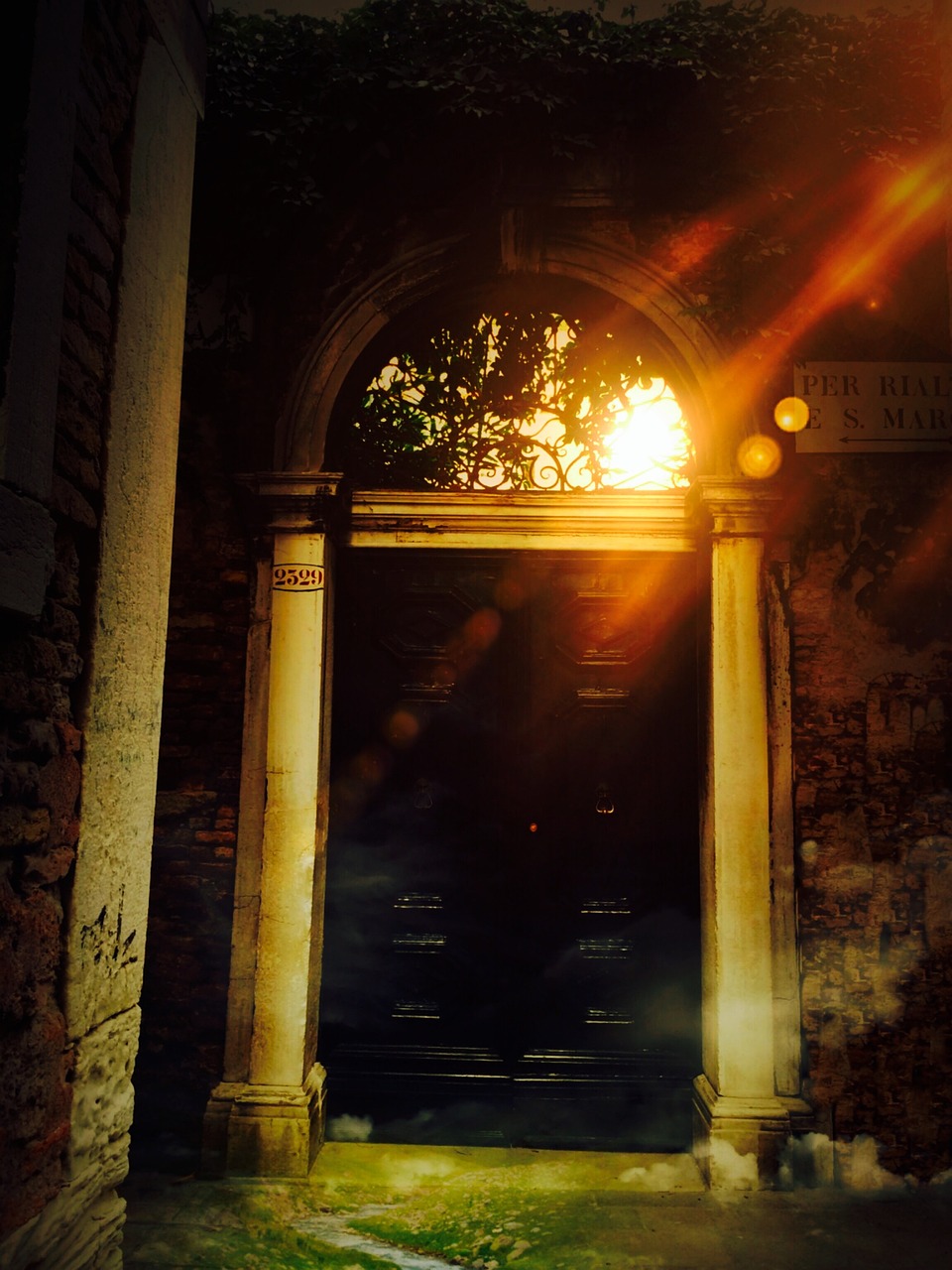
Another prompt was ‘Doorway’ and this allowed me to reflect on all of the ways in which writing has been a doorway for me into lots of rewarding experiences.
For me, my writing has taken me on so many adventures and enriched my life. I have forged a lot of really meaningful and important friendships through joining writing groups and attending conferences/events. I’ve met so many interesting writers and learned lots from them during conferences and writing groups (as well as getting to share a lot of great experiences with, and learn from, my writer Mum also!).
When my debut novel was released a doorway opened for me to engage with audiences. Over the years I have been fortunate to be invited to deliver talks, creative workshops and judge competitions in schools, colleges, local writing groups and community libraries, and was even lucky enough to land an interview with Teen Title magazine (with school pupils asking the questions). Interacting with others to encourage their creativity has become a big part of my writing life that I enjoy, and find rewarding.
My initial experiences allowed me to develop enough confidence to forge into new pathways through independent publishing and this of course is also full of ups and downs (with many a crisis in confidence often holding me back from making the most of it all). A few months ago I saw a reel on Instagram posted by Reese Witherspoon with her basically saying, ‘Don’t wait for the phone to ring.’ She of course set up her own production company, motivated by a frustration with a lack of decent roles for actresses of a certain age. She took control of her own success, not having to audition or wait for someone else to dictate. Seeing that quote reminded me that by taking control, even if it’s not a success, at least I am attempting to make things happen. The biggest plus of independent publishing is having full control over the process and I know exactly what is happening ‘behind the scenes’ because I have full access to my sales and data. (Which surprisingly, a lot of authors do not!). It now means if I try out any marketing or promotional activity, I get to see if it has any real impact.
The parts of Roxie’s Manifestation book which resonated with me most were the sections where she talks about how we ‘live in a culture of comparison’. (pg 199) (which social media fuels). Her reminders: ‘Stay in your own lane and keep laser-sharp focus on your own journey’ and her concluding words in that chapter ‘The only comparison you should be making is who you are today with who you were yesterday and who you want to be tomorrow.’ (pg. 202) is so true.
I find being connected to so many writers on social media can be a double-edged sword sometimes. I love engaging with creative individuals and can find it inspiring, motivating and encouraging, but there are days when seeing posts about sold-out signings, sales boasts, book tours ‘I’m on my twentieth book’, ‘I signed a three-year book deal with one of the big five’, makes me feel a bit…inadequate? But more and more I ask myself the question, but do I really want that? And often I don’t actually, because the thought of having to travel up and down the country to numerous book signings, and having the pressure from a big publisher of expectation and regular deadlines, right now is not what my book dream looks like.
I like how Roxie’s book also acknowledges when you start to get things you want, challenges will come up that you have to overcome. She talks about overcoming fear and reminds us we have the power to be whoever we want to be. A question in the book which stuck in my mind recently (as I hate dealing with the ‘business’ side of being an author) was What would the most empowered and confident version of yourself do? (pg. 160) It’s a really simple, but effective technique I’m going to try to adopt whenever I have a crisis in confidence when I need to ask important questions, or pick up the phone. (Which ironically I do every day in my other day job with confidence in spades).
When I look back on the writer I was ‘yesterday’ i.e. many years ago when I was starting out, I think she’d be pretty excited to know everything that was ahead, and hopefully still to come!
It’s the last day in November and the last day of my writing challenge where I have used prompts every day (since the weekend I started) throughout the month to write a post on here.
Today’s prompt is to use the Emily Dickinson quote I dwell in possibility to write a poem, essay or story. I’m writing a straight forward post instead (though I guess it could be classed as an essay) as I feel this title is very apt to end on.
Successfully completing this challenge has reminded me it’s possible to make time, even if it’s just for an hour at the end of the day, to sit down and write, or focus on something creative. Waking up my imagination reminds me of the magic that exists in the everyday.
When I start a big project such as a novel, I love that feeling of anticipation, of not knowing exactly how a story is going to unfold or if I’m even going to be able to successfully transport what is in my head onto paper. Sadly it doesn’t always turn out the way I want it to – a bit like when you have a very vivid dream and it’s all so clear and you are sure you can relay it scene by scene, but something happens in those waking hours where you can’t quite capture the story in a cohesive way.
But then you tell yourself there are other dreams still to come, there are other stories that will be written. And it’s exciting thinking this could turn into something amazing, dazzling, which could be life-changing for you. Or at least sell and be read by a wider audience. Every time I hit send on a piece of work to a competition there is a sense of possibility – maybe, you never know…
My writing has enriched my life, not only be feeding my soul and giving me a feeling of purpose and drive, but by opening up a world where I’ve met so many interesting people – both other writers and readers, and creatives. It has taken me on adventures to schools, book shops, writing groups, conferences, community events, libraries, colleges and universities. It has kept me sane when the day job gets too intense, or real-life gets challenging. It has brought some of my best friends and best experiences into my life. It keeps me curious, and keeps me wanting to get better at my craft and try new things.
I saw a post on instagram earlier today with a quote from someone saying they were bored of reading the successful under 40 lists and they wanted to see stories of people later in life achieving their dreams, or striving for them. Someone in the comment section called @_d_u_n_e said in her tribe in Nigeria there is an adage which translates, ‘whenever a person wakes up, is their morning’
Tomorrow and tomorrow and tomorrow – each day I dwell in possibility.
Today’s prompt: Share your goals and how you plan to achieve them
Write more ~ This challenge has been a good start because I want to write more in the wider sense, so I want to keep writing novels, but also shorter more creative pieces too. To achieve this I need to stop procrastinating and doubting myself
Send my work out ~ I think in a blog post much earlier in the year I said I was going to aim for 100 rejections and in order to do that I need to actually enter competitions and submit my work. So I need to start making a note of competitions I want to enter so I don’t miss the deadlines
Read about topics that interest me ~ I want to read wider than fiction. I do sometimes read non-fiction books but not enough and I think I should make time to research topics that interest me. For instance I watched a couple of documentaries about mediums/psychics this year, and one very famous medium posted on his instagram about having an arachnoid cyst in his brain and lots of people then shared stories in his comments about how they also had this cyst or family/friends did, and they also were able to predict things. I will gladly go down these kind of rabbit holes of research to find out more. I think it’s important for writers to be curious about strange things they come across as it can often be good inspiration for creative fiction!
Try new things ~ Maybe a cooking class, tarot reading class – I think I need to make myself a list of things I want to try…
Get fitter ~ I consciously tried to up my steps and was good at doing short dance workouts at the start of the year but I need to be much more disciplined. This gets much harder in Winter! Help me… (how do you keep motivated?)
Connect with old friends~ I feel like I’m still catching up a bit from those ‘lost years of lockdowns.’ Old friends if you are reading this give me a nudge, I do want to have that catch up and let’s get it sorted!
Make art ~ I’ve got this amazing big art kit which was a Christmas present from last year that I have hardly used and art reels of amazing artists demonstrating drawing/painting activities keep popping up on my Instgram and it is making me want to experiment. So maybe I should watch more reels to get me inspired and on my way
Travel ~ Last month was the first time I had been on a plane since 2019 and it was so great being abroad again. There’s a list of places I want to fly to and that will be a definite goal for next year. Looking up flights already…
I think that’s enough for now …. what are your goals??
I’ve been on a bit of a writing hiatus lately hence the lack of posts on here. I got married last month and wedding planning and admin took over a bit, alongside day job and other life stuff, meaning something had to give. I take my hat off to writers I read about in interviews who describe their chaotic lives and how they will grab every spare moment to still get words down on paper. Words were still there in my head, with scenes from a new book playing out often, but I just didn’t have the energy or headspace to really get stuck in. I’m excited to give some new focus to my creative life again, with my first goal to finish edits on a book I finished a while back (and put to one side after some feedback). This will hopefully be out by the end of this year, or the start of next, depending how fast I work.
I had a wonderful day on my wedding and naturally when big life events like this take place I think it makes you reflect on life in general. The playlist we chose for our wedding reception contained key songs from pinnacle moments of our youth and when surrounded by friends from different walks of life it made me feel lucky, and also happy and content with a real sense of ‘being in the right place at the right time.’
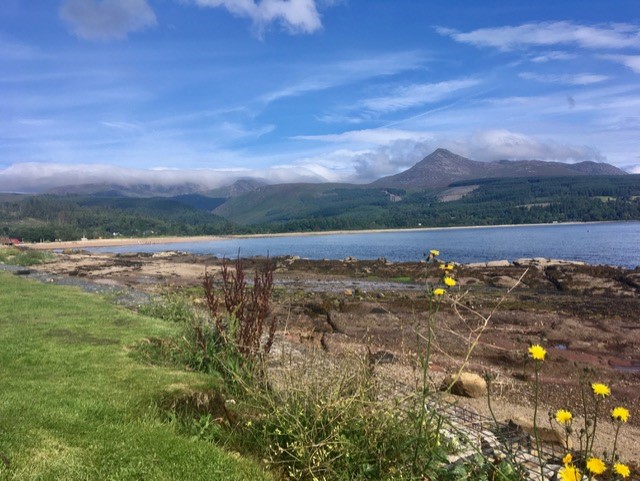
During our mini-moon to Arran I ventured out on a walk myself along the beach (as my new hubbie rested up to recover from a cold!). I stopped off at an amazing bakery to buy a sausage roll and as I sat on a bench watching the waves lap against the shore it reminded me of all of trips I went on during my 30s. I embraced the single life for most of my 30s and feel grateful for the adventures I went on to Paris alone, twice, where I sat eating a pastry on a bench in Jardin De Luxembourg feeling then too, I was in the right place, at the right time. When I met my husband in my late 30s I was truly happy with who I was, and what I had accomplished. Too often I feel we are made to feel pressured by some arbitrary timeline of expectation and I am so glad real love arrived a bit later in life for me. My husband joked when we first got together he had been in ‘the boyfriend oven’ getting ready for me and I loved this description as I think I was also in my own oven getting ready for him too.
When my first book came out I was delighted I had achieved this massive life goal of mine at the age of 35. Then this year I read one of the best books I’ve ever read ‘Lessons in Chemistry’ and the author Bonnie Garmus is in her 60s, and this is her debut and part of me thought maybe to write a truly amazing and insightful novel you actually need to wait a while to let life happen so you know how to write about it well. In recent years I definitely view my writing ‘career’ as a continuous work in progress and I’m not even sure what I want my goals to look like anymore – really just keeping words on a page, reaching readers somewhere feels like an achievement these days.
In my job as a careers adviser I come across a lot of young people putting immense pressure on themselves, often those in their 20s particularly hard on themselves, feeling like life is passing them by because they’re not where they thought they would be, or they’re not where they think they should be (or more often than not, after some unpicking, really they are worrying about other people judging them to not be where they think they should be).
I think we should all scrap the ‘timeline’ from our head and not get hung up on achieving our goals. I do think it can be energising and kind of exciting to have goals, but we shouldn’t be a slave to them, and we should leave room to let them change too because no one really wants to follow a linear path – often the detours make for a much more scenic adventure.
Last year when I was trying to decide what direction to move in, (keep sending out Promise Me to agents, or try to independently publish), I reflected on the question: What does writing success look like to me?
I think this is an important question all writers should ask themselves every so often as I am sure the answers will probably change from year to year.
Years ago I would have given quite starry-eyed answers along the lines of: be published by one of the ‘Big Five’, have a best-selling book that’s on display in all major bookshops, be invited to speak at book festivals and big writing events, get mentioned in ‘important’ press coverage, have my book optioned for film (that one will never stop being a dream), be nominated for prestigious prizes…
Mostly now what is important to me is knowing that my work is being read, and connecting with an audience, whatever form that audience takes (i.e. I don’t really care about talking at big festivals anymore, though of course I’d never turn down an invite!).
Competitions have had a massive impact on my confidence as a writer, reassuring me at key points of my career that I should keep going, and giving me a much needed boost. Lately I have been lucky enough to have a couple of competition successes, winning first place in the Writing Magazine school-themed short story competition, which you can read here. I also just found out this week that Promise Me has made the Finalist round for the Book Award category of the Page Turner Awards. I think it’s important for writers to acknowledge and take stock of any successes and wins, as we get so many knock-backs along the way, and some of the lovely feedback I’ve had for my short story really has made my month!
But there are downfalls of course if you focus too much on the need for external approval, and in the latest chapters of The Artist’s Way, (yes, I am still working my way through this!), Julia Cameron talks about how if ‘creatives’ constantly chase ‘Fame’ and ‘success’, which is measured by others, it can be a massive block to our creativity and distracts from our enjoyment of the process. On page 172 Cameron says, ‘…Fame..is addictive, and it always leaves us hungry. …The desire to attain it, to hold on to it, can produce the “How am I doing?” syndrome’, which she points out then makes us start to question our work in terms of, ‘not if it’s going well for us’ but ‘How does it look to them?’
Elizabeth Gilbert in Big Magic talks of something similar, when creatives let their Egos get in the way. ‘An unchecked ego is what the Buddhists call a “hungry ghost” – forever famished, eternally howling with need and greed’ (page 249) She also warns of viewing creativity on a ‘limited human scale of success and failures’ as it takes away from the ‘glory of merely making things, and then sharing those things with an open heart and no expectations.’ (page 70) In this section she quoted Harper Lee, (in response to questions around when her next novel would be released), “I’m scared…when you’re at the top, there’s only one way to go.” (page 68).
Authors such as Harper Lee who had phenomenal success, in terms of sales and recognition, then ceased writing, fascinate me. Lee’s To Kill a Mockingbirdwas published in 1960 and sold 2.5 million copies in its first year, and won the Pulitzer Prize. Margaret Mitchell’s Gone With the Wind was published in 1936 and sold 1 million copies in six months, and also won the Pulitzer Prize. Harper Lee of course did eventually publish another novel Go Set A Watchmanin July 2015, one year before her death, but a lot of controversy surrounded the release, with the revelation that the book was in fact supposedly an original draft of To Kill a Mockingbirdand many said if Harper Lee had been of sound mind, would not have agreed to the release.
Regardless of this, there is no denying that Lee obviously felt pressures after her debut success. Some articles I came across have quotes where she said, “Success was just as scary as failure.” “Public encouragement, I hoped for a little, but I got rather a lot, and in some ways this was just about as frightening.” (The Telegraph, Feb 2016 – read full article here)
In articles I found about Mitchell, it appeared that she had devoted so much time to writing and researching Gone with The Wind(eight years), that she had no desire to go down that road again, and was quoted as saying to a NY reviewer, ‘Iwouldn’t go through this again for anything.’ (see Georgia Women article here) Mitchell was also thrust into the spotlight, accumulating thousands of fans, who would send her fan mail, with Mitchell attempting to respond to every letter. In one response she addresses a fan’s question about writing a sequel , ‘Even if I had the urge to write another book, I do not know where I would find the time, for my life, since the publication of my novel…has been lived in the middle of a tornado.’ The full letter can be viewed here Other articles cite that Mitchell was heavily involved in political positions and then World War II struck in 1939, which would have of course been a distraction. Mitchell also met an untimely death in her late forties when she was struck by a taxi, so who knows if she would ever have changed her mind about penning another book.
A writer I have much admiration for is Donna Tarttwho has written three books in thirty years. You can see her being interviewed here When the interviewer asks her ‘If she could become prolific and get faster with effort’ I bet she felt like slapping him (like she isn’t already putting in a lot of effort?). Instead she smiles sweetly and says, “I’ve tried to write faster and I don’t really enjoy it.” Her debut novel The Secret History was a best-seller, and had an initial print run of 75,000 (as opposed to the publisher’s usual 10,000), so you could say Tartt has the luxury of a decent sales history (see what I did there), to allow her time to create, but I am sure she must have kicked back against immense pressure from the publishing industry to produce more; faster, after her initial success.
In a world which is obsessed with producing and consuming it’s kind of refreshing to see a writer who will say, I’m doing this my way, at my pace, and you can all just wait for my genius to unfold.







 VICTORIA GEMMELL