Interview with a Writer ~ Judith Vallely

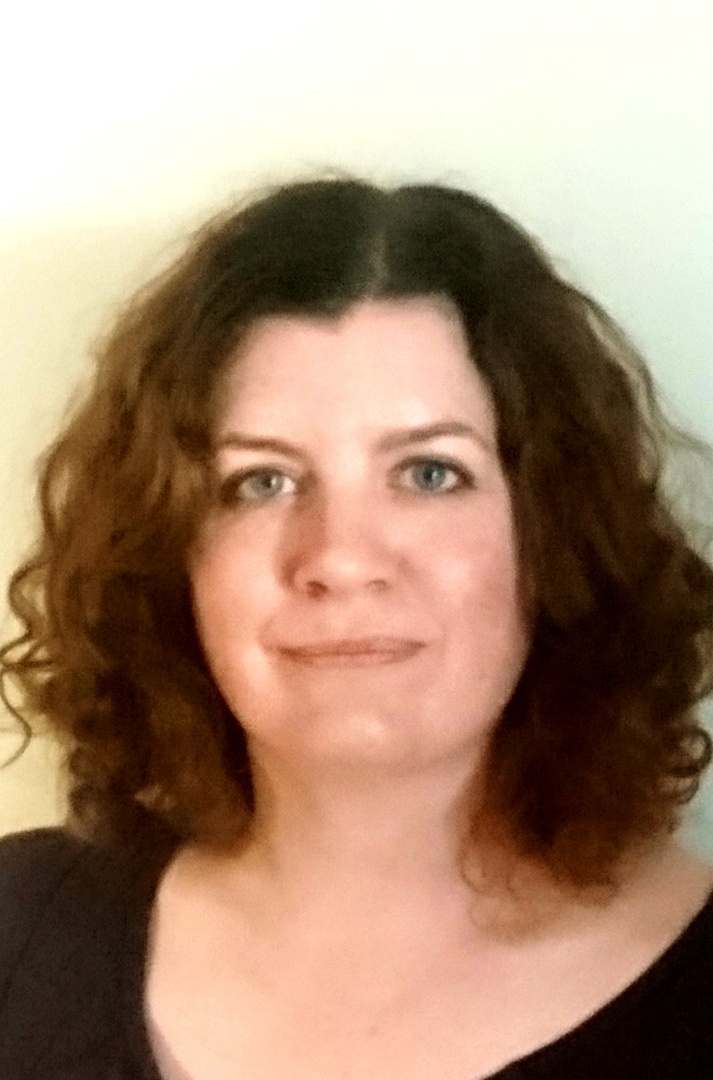
Happy New writing year! I’m delighted to kick off 2026 with an interview with writer and journalist, Judith Vallely. After featuring Judith’s writer mum, Myra Duffy, on my blog back in November (see here), it’s a pleasure to now find out more about Judith’s writing career.

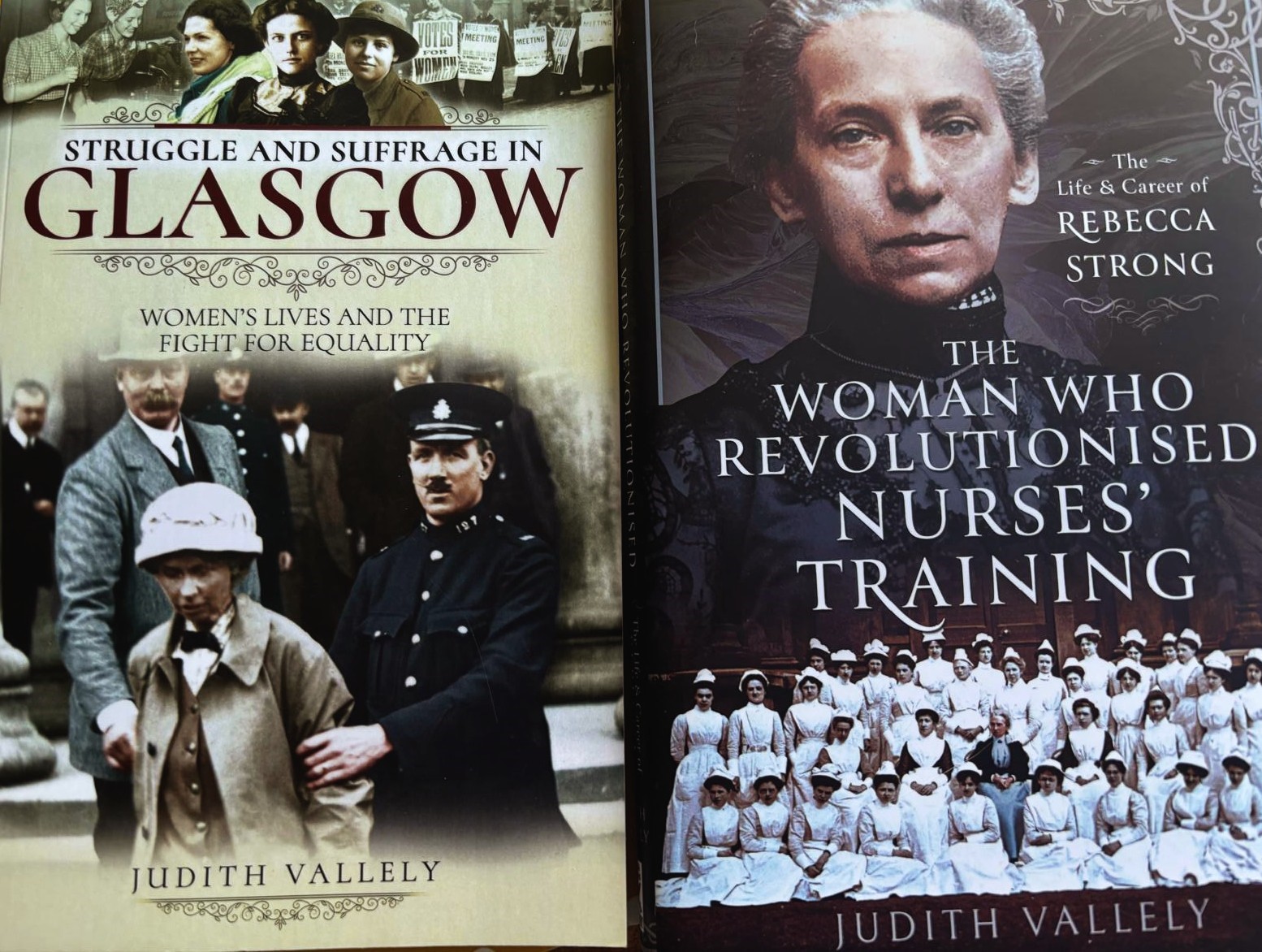
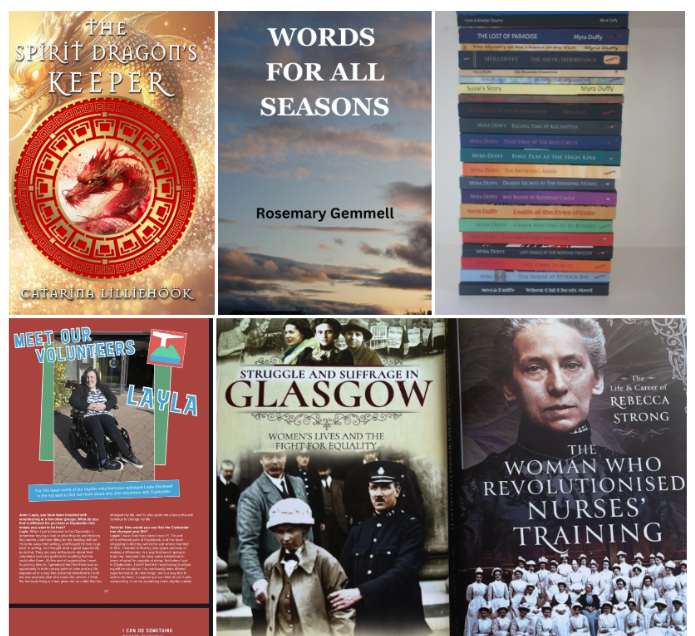
It was interesting to gain insights into Judith’s extensive journalism career, and find out more about how she has managed to balance a busy day job alongside researching and writing fascinating non-fiction books (see photos above of these books, and links below of where to buy).

I have a lot of admiration for writers who manage to multi-task, as it’s something I often struggle with; knowing how to give priority to everything I want to achieve. There’s some great tips here from Judith to keep us all motivated. If you’ve made some writing resolutions of your own this year, I wanted to extract one simple reminder from Judith: ‘If you are struggling to write, just start with a sentence…’ Read on to find out more…

Writer Biography

Judith Vallely is a writer and journalist who lives and works in Glasgow and has an MA in English and Scottish Literature from Edinburgh University, and a postgraduate diploma in newspaper journalism from Napier University, Edinburgh. 

She is the author of Struggle and Suffrage in Glasgow: Women’s Lives and the Fight for Equality and The Woman Who Revolutionised Nurses’ Training: The Life and Career of Rebecca Strong

When did you first start writing?

I’ve always loved reading and writing from a young age – scribbling down various stories. I’m told when I was around five years old I used to sneak out of bed late at night and be discovered looking at books.

What do you write?

I’ve had a 20 plus years career in journalism writing mainly news stories, but also features and travel writing. I’ve also had two non-fiction books published  and am working on improving my fiction writing skills, hopefully with a view to publication one day. 

What was your first published piece of work?

When I was 16 I did a week of work experience at the Evening Times and had a letter published about the dangers of ‘devil dogs’. It was the letter of the day, but I never did get the cash for it!

Why do you write?

Very good question! There’s various answers – I really enjoy discovering and telling stories about people and places. Sometimes I have an idea in my head which I want to get down. Sometimes it’s just because I have a deadline looming! Overall I find writing a really absorbing activity and love words — that thing known as flow, when you get totally immersed.

What, or who, has helped you on your writing journey?

Too many to mention! Journalism has been the biggest part of my writing career and I feel lucky to have started out at a time when it was normal for stories to go through an extensive editing process before being published. In the digital age, it now seems like a long ago luxury to have several editors looking at your work and (usually!) making it better.

And shout-out to my mum (myraduffywriter.com), who has always been very encouraging and a hard act to follow with her many published books! 

Share a writing low with us. What did you learn from this?

I think anyone who has written a book has experienced that moment of thinking it’s just complete rubbish and having the urge to chuck it in the bin forever. However I’ve realised it’s part of the process and that urge must usually be resisted. 

Share a writing high?

My very first story as a journalist was published on the now long defunct Ceefax service. It didn’t have a byline and was just four paragraphs long, as was the format, but it was amazing seeing what I had written out there in the big wide world.

Share some of your favourite lines from reviews, or comments you have received about your work, which boosted your confidence (tell us what piece of work it relates to)

Writing my second book on the life of Rebecca Strong was a real labour of love – I took on the project when I was working freelance but then moved into a very busy full-time job, so it required a lot of dedication (writing and editing by the pool while on holiday in Lanzarote) and the horror of pushing back deadlines (very difficult as a trained journalist) to see it to the end. By the time the book was published I could hardly bear to look at it.

So I was really pleased to get some lovely comments in reviews which made it worthwhile including one which said: “What a great read into the history of what was and how it was shaped into what we now have. Thank you for bringing this information to light, and highlighting the hard work that was put into what we now take for granted”.

Any tips for new writers? 

If you are struggling to write, just start with a sentence – it doesn’t matter how bad or good it is, get something down on the page and then take it from there. There’s nothing worse than a blank page staring at you.

And leave as much time as practical between writing and reviewing your writing – at least overnight. This isn’t always possible, especially in journalism, but I think it is hugely helpful to have fresh eyes on it – and that also should include other people where possible. 

And for all writers; any tips for keeping motivated? And how do you find time to write?

I think the answer ultimately is just to sit down and write – which is easier said than done. An external or self-imposed deadline (such as a competition entry) helps me enormously, as a result of years of journalism.  I am terrible for thinking I’ll write more when…My current ‘when’ is when I have a writing shed but having read Brian Bilston’s very funny ‘Diary of a Somebody’ I realise a/ I am not alone in this and b/ it won’t necessarily help my productivity. 

Do you have a regular writing routine, or do you write in frantic bursts? Where do you write? (A dedicated space, or on-the-go)

I would love to be a writer who gets up at 6am and spends a couple of hours crafting beautiful sentences before the day begins. In reality, I’m not a morning person and can barely string two words together without lots of coffee.  I write wherever and whenever the mood takes me, unless I am working on a book in which case I usually set dedicated time in a little work study at home. 

Any stand-out books you have read recently?

I recently read Elif Shafak’s The Island of Missing Trees for a book group and totally loved it. She writes the beautiful sentences which I aspire to. She probably begins early in the morning, I imagine. 

Where can we find out more about you, and your books?

You can buy Judith’s books here:

Publisher (Pen and Sword), website here

Amazon links: The Woman Who Revolutionised Nurses’ Training: The Life and Career of Rebecca Strong https://amzn.eu/d/h8zibOp

Struggle and Suffrage in Glasgow: Women’s Lives and the Fight for Equality https://amzn.eu/d/6sntOqf

You can find Judith on Twitter X @JudithVallely and Instagram @vallelyjudith

Interview with a Writer ~Rosemary Gemmell

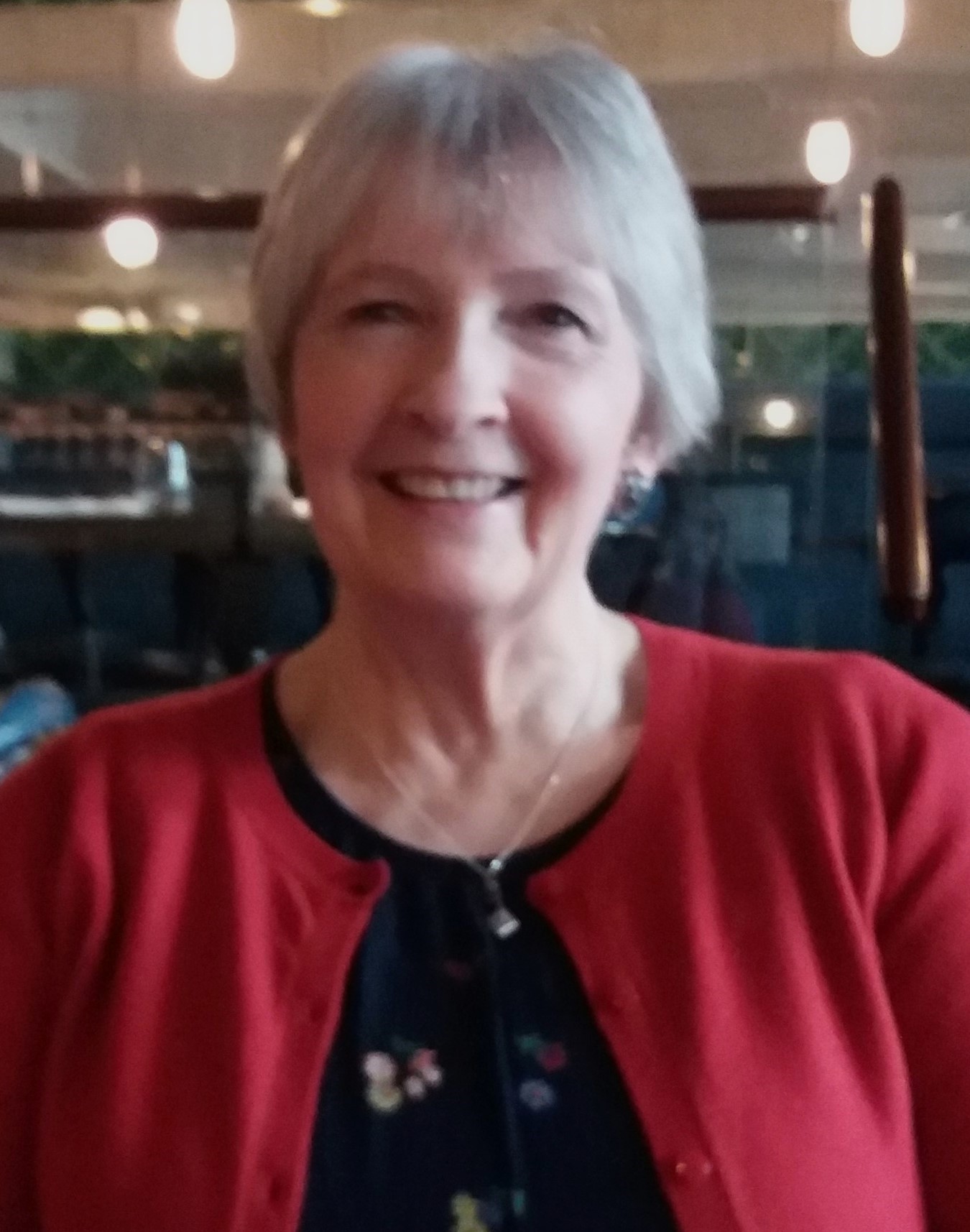
Today I am using the prompt ‘Interview someone who inspires you’ and I’m excited to have my very own writer Mum, Rosemary Gemmell, on my blog today. There was no better person I could think of to interview for this post as my mum has definitely been my biggest inspiration and support over the years, introducing me first to the world of books, then writing.

A talented and prolific writer since she put words to paper many years ago, here’s a wee insight into Rosemary’s world of writing.

When did you first start writing?

I first wrote poetry when a teenager in high school but I didn’t write anything else creative until after having my two children. Then I started experimenting with all kinds of writing, including academic essays as a mature student.

What do you write?

A little of everything (almost)! I mainly write short stories, articles, poetry, novels and novellas, with occasional children’s fiction.

What was your first published piece of work?

My very first published writing was a letter to a magazine, followed by several more. My first longer piece was an article in a Scottish Women’s Rural magazine. My first published short story was after winning the Short Story Competition at the Scottish Association of Writers conference, adjudicated by the then editor of My Weekly who bought the story for the magazine! My first novel, Dangerous Deceit, was published by a small Canadian company.

Why do you write?

I write partly to communicate and to entertain anyone who likes to read, as well as trying to make sense of all the ideas in my head that clamour for expression. When my imagination is stimulated, I explore it in fiction. But I also write because it’s fun, especially sending work out and waiting to see if anyone wants to buy or read it!

What or who helped you on your writing journey?

The single most useful and helpful decision I made for my writing was to join a local writing group at Erskine, near where I used to live. A wonderful writing tutor, Sheila Lewis (now sadly deceased), came to deliver a six-week session to get us started and ended up staying on as a valued member. She was probably my biggest influence, encouraging me all the way to publication. Lots of other writers have inspired me over the years, especially when attending the SAW conference and entering competitions. Strangely enough, my daughter (thank you, Victoria) also inspires me to be a better writer whenever I read her beautiful and often profound writing.

Share a writing low with us (if you feel comfortable doing so). What did you learn from this?

Although I was lucky to have my first novel published, it went through a few rejections first. The same with short stories – many published but many that just weren’t good enough. Now and then, it was discouraging but it taught me perseverance, to keep going and that the rejections were not personal; it was only a particular piece of writing that didn’t fit that time.

Share a writing high

Winning that short story competition with my first submitted story, then having it published in a well-known magazine, was one of the highlights of my writing career. It was followed by several other competition wins, including one where I was presented with a £1000 prize and a silver cup at a ceremony in Harrogate (Writing Magazine Love Story Winner – those were the days)! But nothing beats that initial confirmation that maybe my writing was good enough. The other main ‘high’ was getting my first full-length novel published as I wasn’t sure I could write longer fiction. Every success is still special.

Share some of your favourite lines from reviews/feedback of your work which boosted your confidence: (tell us what piece of work it’s about)

This was one of the many lovely comments for my first novel, the Regency-era Dangerous Deceit, which really made me want to continue writing books:

I’ve just finished Dangerous Deceit and wanted to let you know how much I loved it. I feel incredibly guilty for racing through the pages when so much hard work went into them, but I couldn’t wait to see what happened. Feel a little sad now it’s over to be honest.”

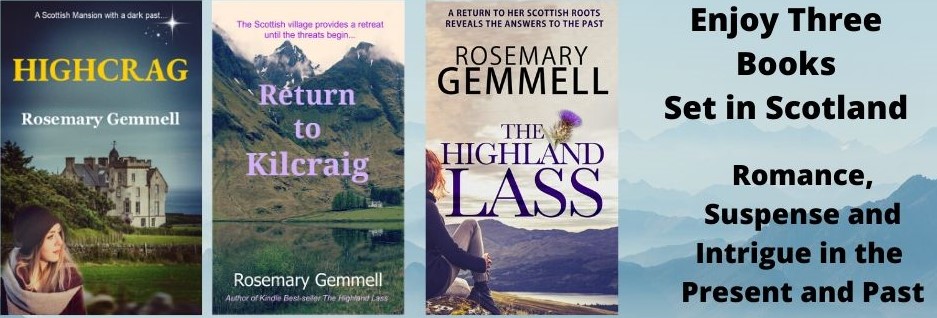
And one from my most recent full-length Gothic suspense novel set in Scotland, HIGHCRAG:

“The characters and the plot blend seamlessly and, like Cate, the reader is unsure who to trust but in the ending all threads of the plot are skilfully brought together in a most satisfying way.”

Any tips for new writers?

First, read as much as you can. If you want to write short stories, read those published. Same with novels – we absorb the ‘how to’ while we read, much more than when reading ‘how to’ books (in my opinion). And read a variety of writing for inspiration.

Second, never give up writing and experimenting with different types and genres until you find the one that is just right for you. If your aim is to be published, keep sending work out – it maybe wasn’t the right piece at the right time to the right person.

And for all writers; any tips for keeping motivated?

Use any short snatches of time to get ideas and sentences down, without the pressure of having to sit and produce a set number of words, as they all add up. A good writing magazine is full of motivation and might help to get you going again. Reading can also help to motivate our own writing, and I find music good for stimulating ideas.

When do you write? Do you have a regular routine, or do you write in frantic bursts?

I’ve never really had a regular writing routine, although I do find my creativity is best in the mornings. I tend to write in short bursts and like going back to a piece to redraft it. I find it too boring to sit at the computer for long so I write shorter items in between novels!

Where do you write? (A dedicated room, or on-the-go)

Although I have a very pleasant room I call my study, with a desktop computer, I write far better with pen and paper when out and about, especially on trains and in cafés. The words seem to flow when writing, or scribbling, longhand and I can easily shut out distractions. I then redraft while typing it up at home. I wrote one of my first novellas almost entirely in longhand while out and about and enjoyed it far more than sitting at the home computer (until redrafting it!).

Any stand-out books you have read this year?

I loved Madeline Miller’s two fictionalized books about Greek mythological figures and their stories, Circe, and then Achilles. They inspired me to finally do an online course to learn Ancient Greek! I also read the wonderful complete Ruth Galloway series by Elly Griffiths, and my favourite LJ Ross DCI Ryan books. There were lots more in paperback and on kindle, of course.

Please share links to your website and where to buy your work so that people can find you

Website: https://www.rosemarygemmell.co.uk

Facebook: https://www.facebook.com/rosemary.gemmell.3/

Twitter: https://twitter.com/RosemaryGemmell

Amazon Author Page: http://www.amazon.co.uk/Rosemary-Gemmell/e/B00U19Z4H4

Thanks to Rosemary for taking the time to answer my questions and for the lovely comment about my writing. I really enjoyed reading about your writing journey.

The Amazon link above will take you to all of Rosemary’s fabulous full length novels, novellas and short story collections. Also, if you are a People’s Friend fan then look out for their 2024 Annual in newsagents now where you will find one of Rosemary’s Christmas short stories

I’m hoping this ‘Interview with…’ spot might be something I continue to feature on my blog for future posts as I think it’s really interesting reading about fellow writers’ (and creatives) journeys and tips!