Learn your craft #2 (blog post 3 of series)

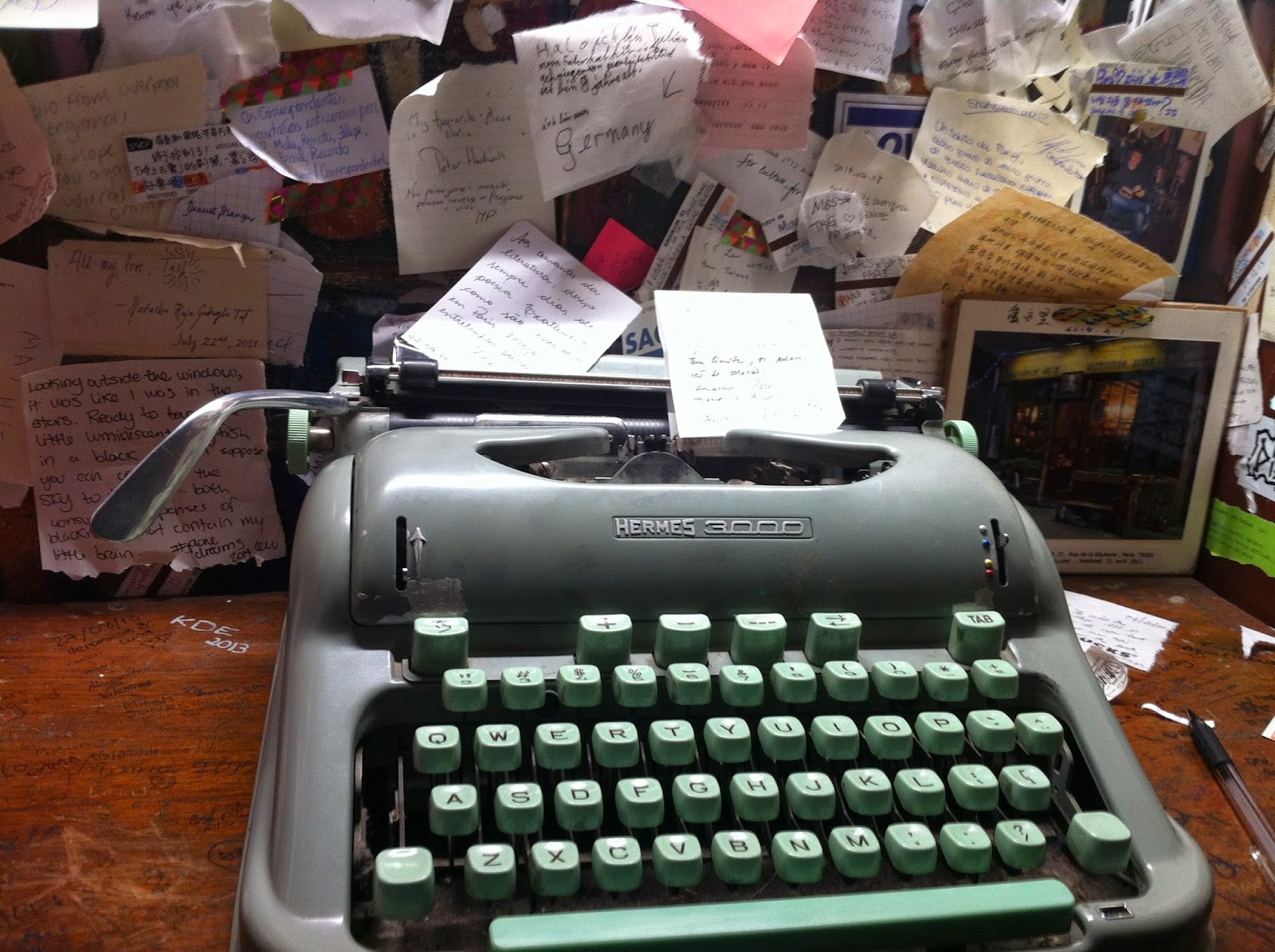
Photo Shakespeare & Co bookshop, Paris (taken by me)

This post follows on from last week with the focus on perfecting your craft. Last week I shared some hints and tips from writing workshops and talks I’ve attended over the years (read here )

This week I’m going to share some highlights from two of my favourite books about ‘the craft’; Bird by Bird by Ann Lamott and On Writing by Stephen King. The reason I love these books in particular is because they are down-to-earth, honest, funny, include memoir style anecdotes from their own lives (particularly King), and neither writer pretends to know everything about writing. So I trust what they say.

Anyone who pretends to understand everything about how stories or books or poetry work is probably not doing it right, because no matter how much you try to ‘teach’ someone how to put words together, I always think there’s still going to be that indefinable piece of magic (soul, imagination, instinct – call it what you want) that can never be taught and can never truly be explained when analysing a text. But as I said last time, if you want to give your work a good chance of heading in the right direction, you can make life a little bit easier by understanding the foundations which hold it all together.

A lot of what King says in On Writing aligns with other advice I’ve heard in workshops and I recognise a lot of his points when I receive feedback, or when I read others work. I really recommend reading the whole book as it’s a great memoir alongside the hints and tips. I believe there’s various editions of it; the one I have in the house is from the year 2000 (which I think may be my husband’s copy as I used to own an earlier one I am sure). Bear in mind when you get to the part about submitting work that publishing has changed a lot since King started sending books out to publishers/working with agents, so I’m not going to reference any of that. I’ll do a separate post about being out on submission on a future post.

Adverbs and dialogue attribution

I believe the road to hell is paved with adverbs – Stephen King – pg 139

To back up this quote King uses this example; Instead of saying ‘he closes the door firmly’ Just slam the door! Other examples I’m thinking of as I write this would be He ran quickly. You could just have him run.

The over-use of adverbs is one of the biggest mistakes writers probably make. King even admits to still doing it in some of his work, even when he knows it’s a ‘thing’.

He also talks about dialogue attribution On page 140-142 he gives various examples of this:

Jekyll grated. Shayna gasped. Bill jerked out (all after lines of dialogue)

King then goes on to say, ‘writing he said, she said, is divine‘. Just letting the dialogue do the work is something that’s quite hard to do when you are anxious about getting your point across. King acknowledges that mistakes in these areas are exactly because of this, ‘fear that our reader won’t understand us.’

I also think the over-use of adverbs, and adjectives and verbs, (she whispered softly, he shouted loudly), hark back to primary school days when we were learning grammar. I don’t say this to dismiss the importance of learning grammar, (the foundation of any language), but I bet each time you were taught something like an adverb or adjective you then had to insert them into several sentences for homework. And then you got a gold star for creating interesting sentences littered with them. So it’s almost like learning new rules all over again.

Style

King talks about being conscious of using the passive tense (the body was carried from the kitchen being one example he uses of being too passive). He digs deeper into style and how paragraphs are formed. Something I learned when writing my Young Adult mystery thrillers is how shorter sentences and paragraphs can help keep the pace. No one wants to be bogged down by a lengthy description at a crucial tense moment. But then if there’s no variation in your style, it might all feel a bit too frantic, so you need to know when to slow it down too. Feeding in more description is something I’ve become a bit more conscious of, as I know I can sometimes rely too heavily on dialogue and because I’m a very visual writer I have to remember that readers aren’t always going to picture things in quite the same way.

Kings mentions ‘making every word count’ and the importance of editing your work. If you find you often ‘over-write’ a tip from me is to try writing flash fiction. Limiting yourself to 100 words or 500 words is the best exercise in making every word count, and I think it’s a great way to build your confidence as a writer. I’ll do a blog post about writing flash fiction at a later date.

Characters – digging deep

With echoes to last week’s post, both Lamott and and King talk about the importance of characters and Lamott in Bird by Bird talks about ‘writing towards vulnerability’. She really emphasises the point about writing in a ‘directly emotional way.’ This made me think of a quote I see popping up online often ( I’m not sure it can be attributed to anyone in particular): ‘What people remember is not what you’ve done, but how you made them feel’. I think that’s true of books. The ones that stayed with me over the years made me feel something, and that’s because of the characters. They’ve taken me along on their journeys and made me feel all of the emotions.

Lamott says, ‘Plot grows out of character’. King says, ‘I think the best stories always end up being about the people rather than the event, which is to say character-driven.

Obviously you need your characters to do something interesting to be interesting and that’s where the plot comes in. Like we covered in last week’s blog post, your character needs to want something, and then go on some kind of journey. But often you won’t know what they want or what the journey actually looks like, until your characters take shape, and become three-dimensional and believable.

They will probably start to surprise you, just like people in your life often surprise you (in good ways, and bad ways). They might annoy you (especially if they start to take over a bit). In my second YA book, Promise Me, one character started to take over so much that I had to completely change the relationship dynamic I had originally intended. I also had to re-write the ending because the original didn’t ring true to what one of my character’s would have done. A similar thing happened for the ending of Follow Me. This is why I always say you can plot out your novel step by step, but never be scared to deviate from the plan. Humans are unpredictable and if you story becomes unpredictable, that’s when it shows you it’s working, and you get to experience it almost like you are the reader, as well as the writer.

There are loads of books out there about learning your craft. If you’re reading this and thinking of your own favourite, please leave a recommendation in the comments.

I also subscribe to The Writing Magazine which is always packed full of helpful advice and articles. There’s also a great section with call-outs for submissions to competitions, journals, publishers etc.

So now I’ve got you thinking about your craft, what if you’re finding it hard starting on a project.

Next time I’ll be talking about inspiration, and will tell you more about how some of my ideas formed, as well as the importance of allowing yourself to have fun.

Happy writing

Learn your craft (blog post 2 of series)

In my last post I mentioned that a big part of my writing life has consisted of attending writing conferences, groups, talks, and workshops. Over the years I absorbed hints and tips and learned a lot about ‘the rules of writing.’

If you are serious about getting published, or sending your work out into the world, my advice to you is to take your time perfecting your craft.

You don’t always have to know what you’re doing for a good story to take shape as I think natural talent and instinct have a big part to play when letting a story unfold. But it can all get a bit messy if you don’t have a fundamental knowledge of the rules which lie beneath it all; like structure, pacing, dialogue, and character development. If you develop confidence in all of these areas I firmly believe this will help you actually complete that book you maybe keep starting, and never quite finish.

If you want to start submitting stories to journals, magazines, competitions, or books to agents and publishers, then you also have to pay attention to submission formatting rules and perfect your grammar. This is where structured writing groups in particular can be really helpful as there’s usually a good mix of experienced writers in attendance who will happily share their knowledge.

To prepare this post I looked through old USB sticks (tip: if you encrypt your USBs make sure you know where you’re saved the passwords!!), emails and notebooks, looking for advice I had noted down from experienced writers over the years. Here’s some highlights I want to share with you:

Structure and Pace:

Alexandra Sokoloff delivered one of the best workshops I’ve ever attended at the Scottish Association of Writers Conference back in 2015. Before writing novels, she wrote for the screen, and gave us an insight into her ‘Screenwriting Tricks for Authors’ which you can read about fully in her book and you can see a summary outline on her website/blog: Alexandra Sokoloff | Bestselling Author. I loved the way she showed us how our novels could be aligned to a three-act screenplay type structure, highlighting in particular the importance of climaxes throughout to keep readers turning the pages, and ramp up tension/conflict.

A summary of Act 1 (this is on her website so not giving away too much here): Meet the character, show the reader their ordinary world, give hints of their inner/outer desire, give them a problem and a call to adventure, and then add in a climax. She then went on to describe the components of Act 1 and 2.


At the York Writers Festival back in 2013 Julie Cohen delivered a fantastic workshop on the importance of pace:

  • To keep a novel going you need conflict
  • You need to create atmosphere, emotion and show character development
  • Nothing should be wasted; each scene should have two or more purposes
  • Functions (purposes) = Move the Plot forward, Move the Subplot forward
  • Similar to Alexandra’s workshop she mentions Conflict as Hooks – end each scene/chapter with a hook so your reader doesn’t want to put the book down

Emotion:
During workshops on Characters’ emotions- A tip: Sometimes we tend to stick in the safe ‘middle ground’, not going deep enough

Dialogue – use it to reveal more about your character. The way characters talk to one another can tell you a lot about their relationship and how they feel in situations.

Tips on all key things from an agent:
Julia Churchill, one of the biggest UK Children’s Book agents offered Twitter followers the chance to join an hour long zoom workshop (This was back in 2022 when Twitter existed and was a useful platform for writers!) I also heard Julia talk on a panel at the York Writers Festival and she sounded very professional and knowledgeable. She was one of the first agents to request a full read of my YA mystery Follow Me, but decided ultimately it was too dark for her.

  • Characters: A good character needs to come to life.  What do they want and why? And how do they achieve this? Give them a dilemma – a huge stakes thing. What is at stake? Think through the stakes of your story. It needs to have clarity. Character really matters to invest the reader. Think about your favourite character – what makes them special? She gave as an example Charlie, in Charlie and the Chocolate Factory – it was his integrity that mattered.
  • Setting – Think about incredible, vivid, sense of place settings. Setting can add a lot to the story.  
  • Theme – You want to leave the reader with something. A feeling. A message. She gave examples of books which had at the heart ‘being true to oneself’
  • Voice – This plays into a part of you at whatever age the book is targeted at. As a nine-year-old – the sense of magic, warmth, and adventure you want to feel. Teens – takes you back to sense of angst etc. Agents are always looking for authors with a ‘voice’  

Show, Don’t Tell

What does it mean? I talked about this at a workshop with Greenock Writers last year.

If you do too much ‘telling’ in a story it can slow it down, and keep the reader too removed from the action/emotion. ‘Showing’ helps your story come alive. A mix of showing and telling is okay but you need to engage the reader and help them see the story unfold in some way.

Some examples: (From Reedsy and the Writing Pro)

Telling: Michael was afraid of the dark.

Showing: As his mother switched off the light and left the room, Michael tensed. He huddled under the covers, gripped the sheets, and held his breath as the wind brushed past the curtain. 

Telling: When Mary failed her test, she was embarrassed.

Showing: When Mary saw the big red F on her work, her cheeks flushed. She crumpled the test and hid it in her desk, hoping no one noticed.

Telling: The forest is scary.

Showing: The forest is full of staring eyes. The branches look like gnarled hands, reaching out to grab me. Leaves crunch under my feet as I try to find my way home. The air smells like mildew and decay.

My tip:

Read lots, and read widely. You can learn a lot about the craft of writing simply by reading a well-written book or story. Pay attention to the structure, pacing, characters. Why do you love it? Why do you want to keep reading?

Find writers who have broken the rules; books with weird punctuation and strange structures, because once you develop confidence, you can then break the rules and be a bit experimental and creative with your style. When I read Jack Kerouac’s On the Road in my twenties, I found it quite difficult to read but I liked that his stream of consciousness style, with erratic punctuation, was carefree and raw, and it made me realise I was being too ‘self-conscious’ in my writing.

If I am too conscious of trying to write a story, it’s not working. It’s not until I have that feeling of being lost in the story and letting the characters and a subconscious part of my brain take over that I know things are clicking into place.

So follow the rules, learn your craft, but then let go, and just write!

On my next post I’ll share some favourite books which focus on Learning your Craft

#

Happy 2025

I was lucky enough to extend my festive holiday this year and flew off to sunny skies just as my office was re-opening. A dose of sunshine and relaxation was the perfect way to recharge and have space to reflect on my writing and what I want to achieve in 2025.

I often find when I’m away from everyday life the creative and ‘ideas’ side of my brain really wakes up. I even managed to ‘type’ a short story in my phone while I was sitting out on my balcony in the sun. Having space to think properly also allowed me to reflect on how I could use my blog here in a bit more of a consistent and creative way.

A lot of young people (and adults!) I come into contact with who have an interest in writing are yet to find supportive communities, and don’t know where to start when delving into the world of writing.

Often when I do school or community workshops I’m asked questions around the practical side of writing, as well as my own experiences and how I have approached things.  I realised there is a lot I could write about on here, starting with where my writing journey began, and all of the different experiences and creative projects/competitions/workshops I have found to be helpful along the way.

I am no expert by any means within the industry, or a big success, but what I’ve had are real experiences – mostly good, sometimes deflating- over a large period of my life, a lot of which I was lucky enough to be introduced to thanks to being immersed in a supportive writing community (which started with a supportive writing Mum).

Over the years I’ve submitted short stories to competitions/journals, and then started to pitch books to a range of agents/publishers, met with them face to face, made it to publication then changed course so had to go back out on submission; had zoom pitches, a chat with an editor when I made the final seven in a big competition. I’ve faced numerous rejections, been ghosted, and most recently delved into independent publishing. I’ve attended writing festivals/workshops/talks/retreats, absorbed advice from top authors, agents, publishers and other writers of all levels of experience.

After my first book was released I started to deliver creative writing workshops and talks in schools, libraries, community venues, small book festivals, rooms to an audience of three… Adjudicated competitions for writing groups, bigger conferences (and even adapted my workshop to an online version during an unexpected lockdown!). I’ve organised in-person and online book launches, written press releases, been interviewed for a magazine and over the phone by a journalist.

I’ve kept my creative momentum going by setting myself numerous silly and engaging creative challenges over the years, which is good to remind myself about, as often when writing starts to feel too serious/stressful it’s good to take some time out to remember how to be creative. I know a massive challenge of any creative is staying motivated.

That was a bit of a brain dump list but introduces some themes I hope to focus on.

I remember reading once that writing should be treated like an apprenticeship; that it’s a journey of learning. I started my ‘apprenticeship’ way back in primary school and I am still very much learning. Every new writing project I start, I want to be better.

This year I hope to start a new type of writing project, and plan to go back out on submission again to try to secure an agent, which I am sure will bring a whole lot of new experiences and learning.

You can get all of my posts into your email inbox if you subscribe (on my homepage).

I plan to give honest insights into the behind the scenes of what a writing life for me has looked like so far (and new experiences going forward), with links to any interesting groups or writing related sites/comps I come across.

The first post will be going live next week.

Wishing you lots of success in your own writing this year, and just a reminder it’s okay not to feel dynamic in January. If you are still Wintering, take that time to relax and recharge!

Wintering

A quote caught my attention recently on LinkedIn where a writer referenced Laura Strom (who is part of a Regenerative Leadership group) where she described ‘Wintering’ : ‘Wintering and resting are timeless practices that invite us to slow down, reconnect with inner nature, and tap into the depths of our creative cauldron. In a world that glorifies constant productivity and ceaseless activity, intentional rest becomes an act of rebellion, a means to disrupt the status quo. It is through rest that we challenge the notion that our worth is solely defined by our achievements and productivity.’ I’m aware author Katherine May has also penned a book called Wintering (which I’ve never read, have you? ) and I suspect from reading the blurb, it will follow a similar philosophy to the quote above.

As soon as we hit Autumn, and the days shorten, my body goes into a bit of hibernation mode. After I launched my latest book in August my automatic thoughts turned to ‘hurry up and get on with the next project’ but this is the first time for a while I have yet to actually start the next project and I’m giving myself permission to take a bit of a break. I have plenty of ideas zooming around my head which are often making it onto paper in scribbled note form. The ideas form two very different projects, which I think is a big reason why I am stalling as I can’t decide which to focus on and get on with! But I also do feel like I need a bit of a break.

I’m tired of logging into social media and wondering what to post. And I also haven’t posted on here in a while. I’ve got a day off today so decided it was time to log in to get some words down! I get so much fatigue from talking to people all day long in my day job I just crave a bit of silence sometimes from words and thoughts and often shy away from updating my social media feeds because I can’t even begin to think about how to be ‘engaging’. I’m sure I’m not alone in this, but when I see other writers I follow post regularly about all the exciting things they are achieving I always think I should do better.

But then this line from the quote really resonated: ‘challenge the notion that our worth is solely defined by our achievements and productivity’

In the writing world sometimes I think we forget to post about the joy of just creating a wonderful character, or celebrating the days where we have crafted a bewitching line of narrative, or written a scene that suddenly comes together in a seamless way that makes you doubt you even wrote it… Even that sounds like focusing too much on productivity, but it’s the magical feeling of being swept up in words that keeps me returning to projects, or starting new projects, even if I’m feeling a bit tired and fatigued. Because I know how much enjoyment it brings me, when I’m in the middle of writing a book or a story that starts to come alive and almost wants to write itself. And during the days it doesn’t; that’s okay too. The words will always come.

The good thing about the darker evenings is the feeling that it is okay to want to stay indoors and curl up with a good book or good film/TV series and not think about doing too much else. I’ve been on a bit of a reading slump this year so I feel like I need to give myself permission to slow down and enjoy soaking up other peoples’ stories for a while, before I start my next one….

And actually I have been enjoying other peoples’ stories the past few weeks as I was asked to judge a short story competition for Greenock Writers’ group. I’ll be returning there this evening (after doing a talk there back in September). I’m very much looking forward to reading out my results, and hopefully meeting the winners. It was a very welcoming, enthusiastic group and it always reminds me that another aspect of the writing world I really enjoy is meeting up with other writers, and talking about writing!

Happy November, and here’s to giving ourselves permission over the next few months for some ‘Wintering’

Blog Feature

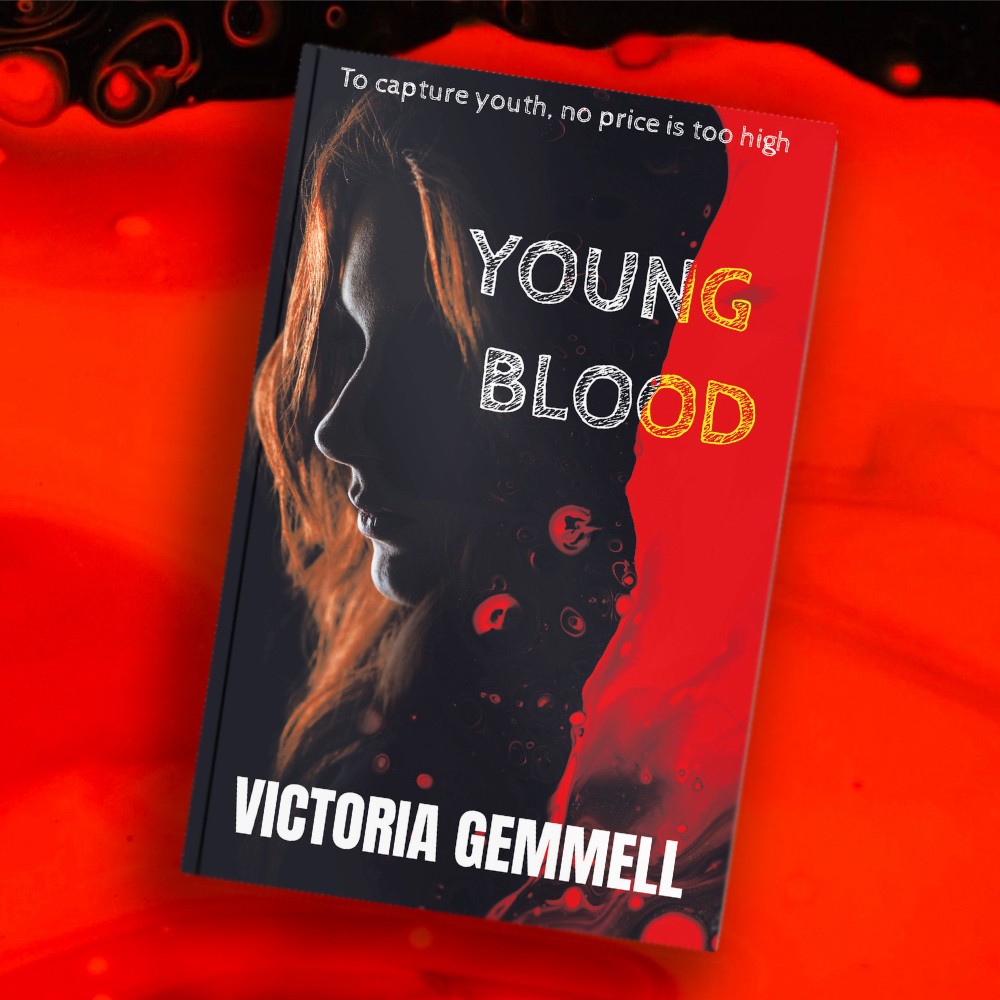
I’m delighted to be featured on my Mum, Rosemary Gemmell’s blog today, which reveals a bit more about the inspiration and research behind Young Blood. You can read full the post here

I feel very lucky having the support from my mum. We both write and it’s great having someone to share work and writing experiences with. You can view the full range of books my Mum has written on her website above. Even although we write quite different things, with a different style, I always enjoy reading and editing her work, and really appreciate the feedback I receive on all of my work. Without the support with editing, technical advice and lots more, I don’t think Young Blood would ever have made it to the final stages!

Here’s a snippet below from the blog post, where I talk about the inspiration behind Young Blood:

What was the inspiration behind your new book?

My initial idea for Young Blood stemmed from an article I read, about an American start-up company ‘Ambrosia’ founded by a medical school graduate, Karmazin, in 2016 which sold ‘young blood plasma transfusions’ (from young people into older people).

Charging a large sum of money for these transfusions, they claimed a range of health benefits such as offering treatment for Alzheimer’s. In a pitch about Ambrosia at a self-enhancement conference in 2017, Karmazin said, “We’re a company interested in making you young again.”

This sparked off the idea of having a powerful doctor set up a premium club for wealthy individuals to access pure plasma transfusions, capturing young people from the care system to be the donors, maintaining a super-controlled environment within ‘the house’.

In my day job I work with vulnerable teenagers on a daily basis. I see how much uncertainty and instability young people in the care system can face and how depressingly easy it could be for them to ‘disappear’ and for powerful individuals in authority to cover this up

Charging a large sum of money for these transfusions, they claimed a range of health benefits such as offering treatment for Alzheimer’s. In a pitch about Ambrosia at a self-enhancement conference in 2017, Karmazin said, “We’re a company interested in making you young again.”

This sparked off the idea of having a powerful doctor set up a premium club for wealthy individuals to access pure plasma transfusions, capturing young people from the care system to be the donors, maintaining a super-controlled environment within ‘the house’.

In my day job I work with vulnerable teenagers on a daily basis. I see how much uncertainty and instability young people in the care system can face and how depressingly easy it could be for them to ‘disappear’ and for powerful individuals in authority to cover this up

If you continue to read through the interview you’ll see I have a dream director in mind if my books were ever made into films (we can all dream!!). I love the bold, quirky and eye-catching directorial style of Emerald Fennell (Promising Young Woman, Saltburn), so if you are reading this Emerald, get in touch 😉 I was delighted to see a crime writer I know share a photo of Young Blood on social media last week, saying it was a captivating read and that anyone commissioning films should check it out, so you never know! When I’m writing books I often see the story ‘playing out’ in my head like a film.

I had a great launch weekend last week for Young Blood. I’m going to post separately about that later in the week with some photos.

For now I will leave you with my book trailer

Creative adventures

After what felt like a slow start to the year, Spring has raced forward at light speed (with some lovely sunshine along the way).

The past couple of months have been very busy for me as I’ve been working on final book edits, cover design chat, and more proofreads.

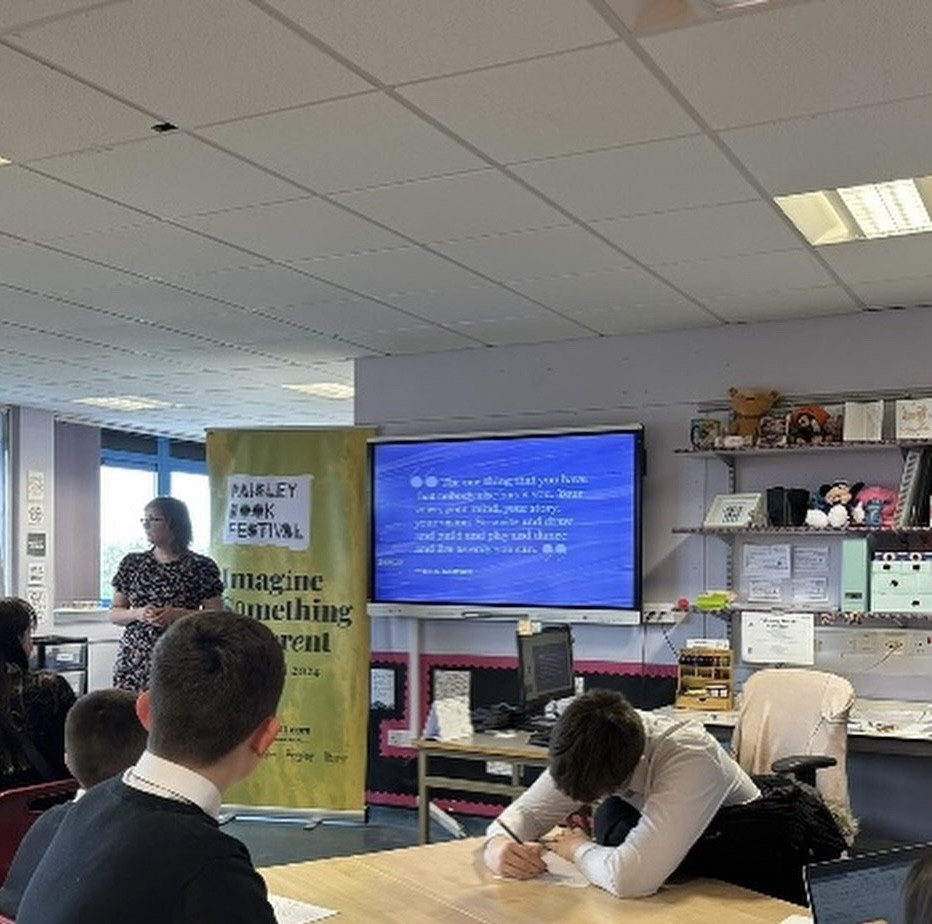
I also took part in the Paisley Book Festival Schools programme in April. This meant a lot to me as I lived in Paisley for many years and I wrote lots when I lived in the town. A couple of my flash fiction pieces were inspired by observations around town and I used to love sitting in cafes writing notes and reading and going wanders taking photographs of some of the beautiful buildings. I also wrote my first two books when I lived in Paisley.

Delivering creative writing workshops to a range of S1-S3 pupils was fun and I always love seeing what story ideas they come up with. As part of my sessions I had given the groups real-life news headlines for inspiration and the most popular one by far was ‘Girl finds criminal living in her attic.’ I really wanted to read the finished stories for that prompt!

School Workshop in action

After my workshops were over my husband and I headed across to the Isle of Arran, one of our favourite places to visit. We lucked out with the weather and it was so relaxing going walks along the beach and sitting outdoors for meals/drinks. I always think there is a real sense of calm on the Island and could happily spend weeks there writing and doing creative things (but sadly had to return home to my day job!!). Sometimes I dream about being successful enough to be a full-time writer and if it meant being able to spend more time hiding away on islands like this that would be the biggest motivator for me!

Beautiful Arran

Later this week I’m going to be doing a Cover Reveal for Young Blood, my new young adult crossover thriller and posting the trailer for this.

It’s always nerve-wracking releasing work out into the world but also exciting to see a project ‘come to life’ and now I can’t wait for the book to be published and story to be read.

I dwell in possibility

Pixabay image by Syaibatulhamdi

It’s the last day in November and the last day of my writing challenge where I have used prompts every day (since the weekend I started) throughout the month to write a post on here.

Today’s prompt is to use the Emily Dickinson quote I dwell in possibility to write a poem, essay or story. I’m writing a straight forward post instead (though I guess it could be classed as an essay) as I feel this title is very apt to end on.

Successfully completing this challenge has reminded me it’s possible to make time, even if it’s just for an hour at the end of the day, to sit down and write, or focus on something creative. Waking up my imagination reminds me of the magic that exists in the everyday.

When I start a big project such as a novel, I love that feeling of anticipation, of not knowing exactly how a story is going to unfold or if I’m even going to be able to successfully transport what is in my head onto paper. Sadly it doesn’t always turn out the way I want it to – a bit like when you have a very vivid dream and it’s all so clear and you are sure you can relay it scene by scene, but something happens in those waking hours where you can’t quite capture the story in a cohesive way.

But then you tell yourself there are other dreams still to come, there are other stories that will be written. And it’s exciting thinking this could turn into something amazing, dazzling, which could be life-changing for you. Or at least sell and be read by a wider audience. Every time I hit send on a piece of work to a competition there is a sense of possibility – maybe, you never know…

My writing has enriched my life, not only be feeding my soul and giving me a feeling of purpose and drive, but by opening up a world where I’ve met so many interesting people – both other writers and readers, and creatives. It has taken me on adventures to schools, book shops, writing groups, conferences, community events, libraries, colleges and universities. It has kept me sane when the day job gets too intense, or real-life gets challenging. It has brought some of my best friends and best experiences into my life. It keeps me curious, and keeps me wanting to get better at my craft and try new things.

I saw a post on instagram earlier today with a quote from someone saying they were bored of reading the successful under 40 lists and they wanted to see stories of people later in life achieving their dreams, or striving for them. Someone in the comment section called @_d_u_n_e said in her tribe in Nigeria there is an adage which translates, ‘whenever a person wakes up, is their morning’

Tomorrow and tomorrow and tomorrow – each day I dwell in possibility.

Interview with a Writer ~Rosemary Gemmell

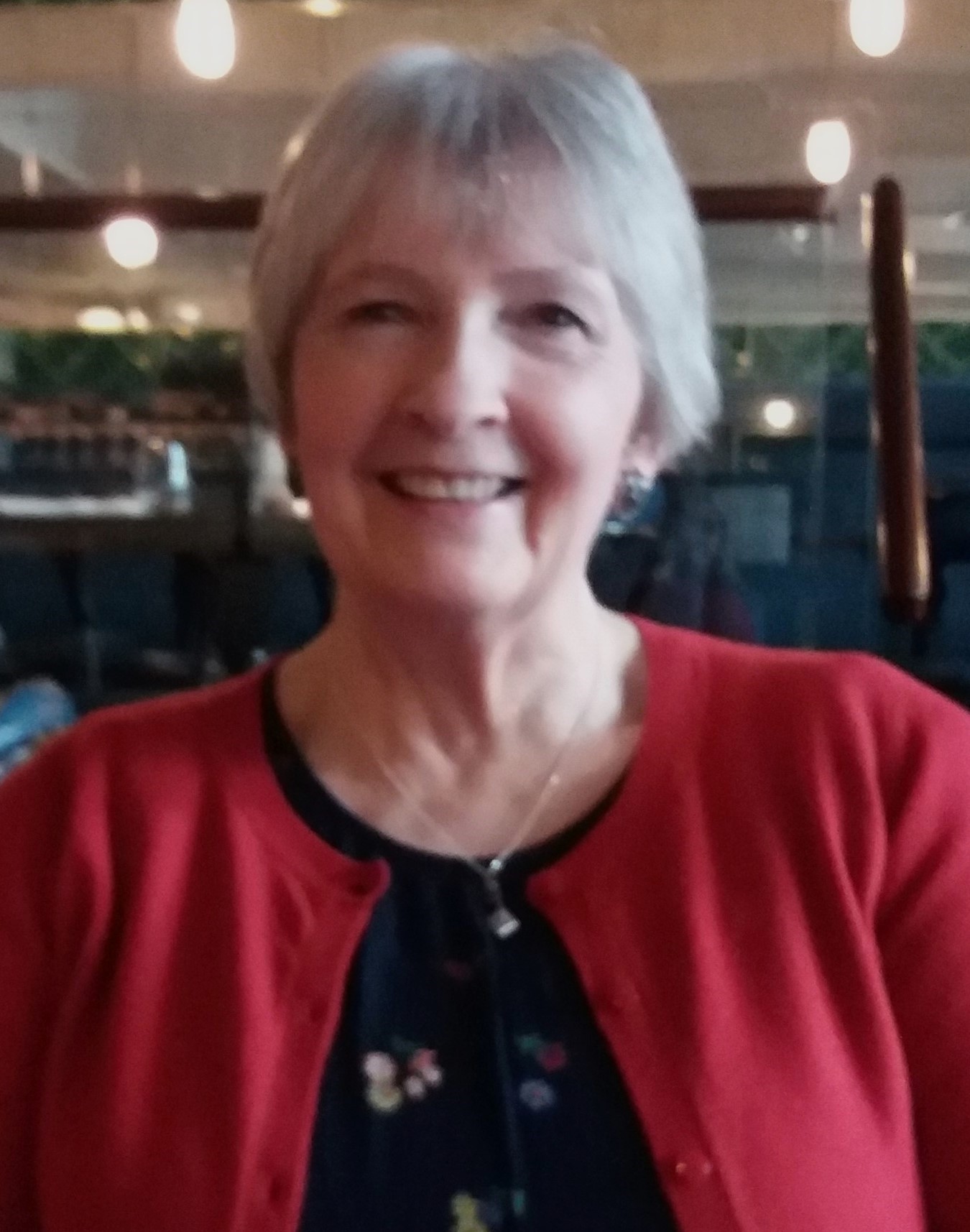
Today I am using the prompt ‘Interview someone who inspires you’ and I’m excited to have my very own writer Mum, Rosemary Gemmell, on my blog today. There was no better person I could think of to interview for this post as my mum has definitely been my biggest inspiration and support over the years, introducing me first to the world of books, then writing.

A talented and prolific writer since she put words to paper many years ago, here’s a wee insight into Rosemary’s world of writing.

When did you first start writing?

I first wrote poetry when a teenager in high school but I didn’t write anything else creative until after having my two children. Then I started experimenting with all kinds of writing, including academic essays as a mature student.

What do you write?

A little of everything (almost)! I mainly write short stories, articles, poetry, novels and novellas, with occasional children’s fiction.

What was your first published piece of work?

My very first published writing was a letter to a magazine, followed by several more. My first longer piece was an article in a Scottish Women’s Rural magazine. My first published short story was after winning the Short Story Competition at the Scottish Association of Writers conference, adjudicated by the then editor of My Weekly who bought the story for the magazine! My first novel, Dangerous Deceit, was published by a small Canadian company.

Why do you write?

I write partly to communicate and to entertain anyone who likes to read, as well as trying to make sense of all the ideas in my head that clamour for expression. When my imagination is stimulated, I explore it in fiction. But I also write because it’s fun, especially sending work out and waiting to see if anyone wants to buy or read it!

What or who helped you on your writing journey?

The single most useful and helpful decision I made for my writing was to join a local writing group at Erskine, near where I used to live. A wonderful writing tutor, Sheila Lewis (now sadly deceased), came to deliver a six-week session to get us started and ended up staying on as a valued member. She was probably my biggest influence, encouraging me all the way to publication. Lots of other writers have inspired me over the years, especially when attending the SAW conference and entering competitions. Strangely enough, my daughter (thank you, Victoria) also inspires me to be a better writer whenever I read her beautiful and often profound writing.

Share a writing low with us (if you feel comfortable doing so). What did you learn from this?

Although I was lucky to have my first novel published, it went through a few rejections first. The same with short stories – many published but many that just weren’t good enough. Now and then, it was discouraging but it taught me perseverance, to keep going and that the rejections were not personal; it was only a particular piece of writing that didn’t fit that time.

Share a writing high

Winning that short story competition with my first submitted story, then having it published in a well-known magazine, was one of the highlights of my writing career. It was followed by several other competition wins, including one where I was presented with a £1000 prize and a silver cup at a ceremony in Harrogate (Writing Magazine Love Story Winner – those were the days)! But nothing beats that initial confirmation that maybe my writing was good enough. The other main ‘high’ was getting my first full-length novel published as I wasn’t sure I could write longer fiction. Every success is still special.

Share some of your favourite lines from reviews/feedback of your work which boosted your confidence: (tell us what piece of work it’s about)

This was one of the many lovely comments for my first novel, the Regency-era Dangerous Deceit, which really made me want to continue writing books:

I’ve just finished Dangerous Deceit and wanted to let you know how much I loved it. I feel incredibly guilty for racing through the pages when so much hard work went into them, but I couldn’t wait to see what happened. Feel a little sad now it’s over to be honest.”

And one from my most recent full-length Gothic suspense novel set in Scotland, HIGHCRAG:

“The characters and the plot blend seamlessly and, like Cate, the reader is unsure who to trust but in the ending all threads of the plot are skilfully brought together in a most satisfying way.”

Any tips for new writers?

First, read as much as you can. If you want to write short stories, read those published. Same with novels – we absorb the ‘how to’ while we read, much more than when reading ‘how to’ books (in my opinion). And read a variety of writing for inspiration.

Second, never give up writing and experimenting with different types and genres until you find the one that is just right for you. If your aim is to be published, keep sending work out – it maybe wasn’t the right piece at the right time to the right person.

And for all writers; any tips for keeping motivated?

Use any short snatches of time to get ideas and sentences down, without the pressure of having to sit and produce a set number of words, as they all add up. A good writing magazine is full of motivation and might help to get you going again. Reading can also help to motivate our own writing, and I find music good for stimulating ideas.

When do you write? Do you have a regular routine, or do you write in frantic bursts?

I’ve never really had a regular writing routine, although I do find my creativity is best in the mornings. I tend to write in short bursts and like going back to a piece to redraft it. I find it too boring to sit at the computer for long so I write shorter items in between novels!

Where do you write? (A dedicated room, or on-the-go)

Although I have a very pleasant room I call my study, with a desktop computer, I write far better with pen and paper when out and about, especially on trains and in cafés. The words seem to flow when writing, or scribbling, longhand and I can easily shut out distractions. I then redraft while typing it up at home. I wrote one of my first novellas almost entirely in longhand while out and about and enjoyed it far more than sitting at the home computer (until redrafting it!).

Any stand-out books you have read this year?

I loved Madeline Miller’s two fictionalized books about Greek mythological figures and their stories, Circe, and then Achilles. They inspired me to finally do an online course to learn Ancient Greek! I also read the wonderful complete Ruth Galloway series by Elly Griffiths, and my favourite LJ Ross DCI Ryan books. There were lots more in paperback and on kindle, of course.

Please share links to your website and where to buy your work so that people can find you

Website: https://www.rosemarygemmell.co.uk

Facebook: https://www.facebook.com/rosemary.gemmell.3/

Twitter: https://twitter.com/RosemaryGemmell

Amazon Author Page: http://www.amazon.co.uk/Rosemary-Gemmell/e/B00U19Z4H4

Thanks to Rosemary for taking the time to answer my questions and for the lovely comment about my writing. I really enjoyed reading about your writing journey.

The Amazon link above will take you to all of Rosemary’s fabulous full length novels, novellas and short story collections. Also, if you are a People’s Friend fan then look out for their 2024 Annual in newsagents now where you will find one of Rosemary’s Christmas short stories

I’m hoping this ‘Interview with…’ spot might be something I continue to feature on my blog for future posts as I think it’s really interesting reading about fellow writers’ (and creatives) journeys and tips!

Public speaking

Me, several years ago adjudicating and delivering my workshop at the Scottish Association of Writers conference

Today’s prompt is ‘Write about a time you had to speak to a large crowd’ And here’s a post about not just one time, but a few times…

When I was younger there were times when I really hated the thought of public speaking, and other occasions where I quite enjoyed it. This is sometimes the contradiction of being me- I often think I am a bit of a social introvert. Depending on circumstances you can get the ‘quiet’ me, or the ‘confident, communicative me’. (Often if there are very loud folk dominating the room you’ll only get to meet the ‘quiet me’, especially if you start making comments about how ‘I need to come out of my shell.’ No, actually, you need to go back in your shell).

I can think of two different occasions, a year apart in school in English where I had to do the ‘oral presentation’ part of the curriculum and the first time I was so nervous I barely looked up; the second time I was raring to go and had maps and diagrams up on the board. That was the first time I think I understood how to properly ‘command’ an audience.

Fast forward a few years to University and for most of my degree in Media and Communication I hated delivering presentations to my seminar groups. Then in my last year I got to deliver a presentation on a topic I had really researched and was enthused by – Post Modernity (and I got to talk about Andy Warhol as part of this). It was by far the best presentation I had delivered and some people came up at the end to tell me it was the first time they understood what that module was actually about. One woman ( who I didn’t really know that well as we had joint classes sometimes with social science students) was kind enough to say she was going to remember my name as she was positive I would be famous one day. (Still waiting, ha!). ‘First year me’ would have been shocked if I tried to reassure her this moment would happen and that I would get there in the end.

Fast forward another few years and I was back at University again, this time studying a post graduate one year course, training to become a careers adviser (my current day job). This was a very intense, full-on course which I loved. There was no time to feel shy or nervous; we all got thrown right in with client contact, even being filmed interviewing pupils (Uni got permission of course) and we then had to watch the recordings (and analyse them!!) together with our small crit groups so we could hone our practice. Another big part of the course was to get assessed delivering group work to classes in schools. During my first few years as a careers adviser I also had to deliver career talks to full assemblies, and more recently deliver a presentation to a packed room of parents.

Little did I know during my training and early years in the job how useful this experience was going to be for my other ‘career’. When you write for hours in isolation, often not speaking to anyone, (when I lived alone), you kind of forget what can happen when your work then gets published and your readers want to actually interact with you. I felt very fortunate when my first book was published to be invited to deliver creative writing workshops and author talks in both schools and in the community.

Talking to large groups of teenagers can be very unpredictable. You have to learn to ‘read the room’ pretty quickly, and at any group talk/session prepare for IT to fail. This has happened to me several times. One of my biggest author talks was to a full assembly hall of second years and the school IT system died just as they walked into the hall (so cue no flashy powerpoint presentation from me). The librarian who organised it was panicked, then relieved when I told her it was fine, I always had a back-up plan. (a careers adviser 101 rule). Another time the school IT systems decided to do updates on the library computer system.

I’ve had lots of great experiences talking to groups as part of my writing life. One of my favourite events was when I got to speak at a ‘Read to Succeed’ evening – this was to both young people and adults at a school and I was asked to tell them about the part reading played in me becoming a writer. So I got to speak from the heart and talk about two of my passions in life – reading and writing – and it was really one of the most enjoyable evenings I’ve had. One of the girls who attended that night found one of my author social media pages and sent me a message to tell me I had inspired her to start reading again, and maybe even try writing, and it was one of the best messages I’ve ever received in my writing life.

Another favourite experience was returning to the Scottish Association of Writers conference to deliver my adjudication for a competition I had been asked to judge (and deliver a creative workshop). I attended my first conference when I was 17 and returned over the years, winning my first ever writing competition there. (and winning meant reading your story in front of the packed conference which was a very scary moment at the time!). It meant a lot to return to the conference as an adjudicator and felt like a real ‘full circle’ moment.

The night that really topped all experiences of talking to a large group was launch night for ‘Follow Me’ at Waterstones. As any writer knows there are a lot of ups and downs in the writing life, and that night was definitely up there with one of my most memorable nights – mainly because it was so unique to have some many people I loved from so many walks of my life in the one room together, cheering me on as one of my ultimate dreams became a reality. I always joke that no matter what happens in my writing future, at least I have that night to remember!

And yes, I do still get scared and nervous when I speak to large crowds, but now I think I have learned to develop a ‘performance’ persona where I know I can get through it and actually enjoy the experience. And there’s nothing quite like the buzz of feeling like you have made a connection with the audience in some small way.

Finding Beauty

Painting by Rory Farquhar Thomson

Today’s prompt: Take a notebook to a gallery or museum to write about something you see there

This afternoon after meeting a friend for lunch in my old hometown of Paisley, I took a wander round the Big Art Show which is a fantastic exhibition run by Outspoken Arts Scotland & Art Paisley Ltd. Hundreds of artists (both professional and amateur), submit their work to be exhibited within the Art Department in the Paisley Shopping Centre. It’s a great way to transform empty units within the centre into a creative hub of talent.

I didn’t have long to browse this afternoon before it shut, so I didn’t sit down with a notebook to write when I was there, but there were a couple of pieces that made me think fondly of the beauty that’s often forgotten in this town; a beauty I always tried to appreciate (and capture in photos) when I lived there.

The painting at the top of my post is titled Paisley Abbey in snowstorm by Rory Farquhar Thomson (This image of the painting is a screenshot from the online gallery of the Big Art Show which you can view here. It displays all of the stunning artwork that was on show in the exhibition.)

I love the atmosphere of this painting and the dream-like, ghostly quality that the artist has created with his brushstrokes. It makes the iconic building look as if it is shrouded in mystery. Back in 2013 when I was living in Paisley I wrote a post on my old blog where I had taken 10 photos and written about the places within the town. The photo below is one I took inside the Abbey. It’s such a beautiful building and I have great memories of attending the Abbey during a Medieval festival, a history of the Witches re-enactment, a friend’s graduation service, art fairs, as well as just having a wander around the beautiful building with friends and browsing the little gift shop.

The day after I got married I dropped off our legal paperwork at the Paisley registry office, and on my walk past the Abbey the sun was reflecting off the windows and I remember feeling this sense of a past part of my life smiling down on me as I walked into a new chapter.

My photo of Paisley Abbey

Another image below from the exhibition is by my artist and designer friend Rebecca Johnstone (a.k.a Dainty Dora. You can find some Paisley inspired prints at her online shop here ) Rebecca pairs her unique and eye-catching patterns with photographic imagery of iconic and familiar scenes around Paisley town centre. I love the vibrancy of the layers. This particular image won the ‘Love Local, Love Paisley’ prize at the exhibition, and it’s great to see the town coming alive through a different kind of lens.

Photographic Print – Rebecca Johnstone

I’ve been to some memorable events in the Town Hall over the years too, such as gigs and a beer festival (even although I don’t like beer that much – sampling many a variety confirmed this that day!). The Town Hall has just undergone a massive transformation and I’m hoping this might mean it will host some interesting future events

When I think back to the variety of unique events, tours, art classes, shows and buildings I have visited across Paisley it will always feel like a special place to me which inspires my creativity.