
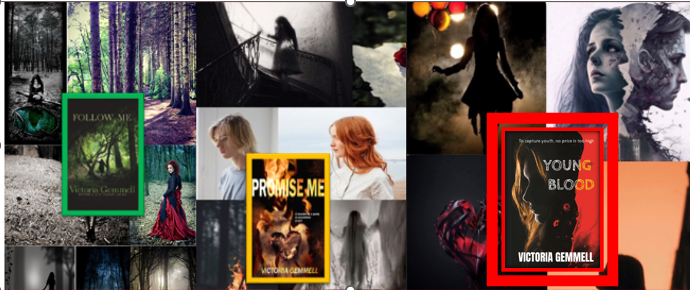
Continuing with the theme of sharing where I find inspiration for stories, today’s post is about the inspiration behind my Young Adult books. I’m cheating a bit with this post and extracting a section from a blog post I wrote back in 2022, where I went into quite a bit of depth already about the inspiration behind my debut YA mystery, Follow Me, and my second YA mystery, Promise Me. You can read the full post ‘Stranger than Fiction’ here
My latest YA Thriller, Young Blood, was also inspired by an article I read in the press, so it fits nicely with the theme of paying attention to what you read in the news. Just like I talked about in last week’s ‘inspiration’ post, the best stories can be formed from things that catch your attention in ‘real- life’, if you add in the ‘What if’ question, and let your imagination run wild…
News headlines often catch my eye and act as a catalyst. When my imagination takes over, and characters start to form, a story of fiction then unfolds, where I imagine what would happen if fictional teenagers were placed in these situations I read about.
Numerous reports of the unexplained Bridgend suicides stayed with me for years .There were twenty-six known suicides in the town between 2007-2008, and most of those who lost their life were young adults. I remembered opening newspapers at the time, wondering what on earth was going on in that town.
In my book Follow Me my 17-year-old protagonist, Kat, begins a desperate search for answers and explanations, after her twin, Abby, is the sixth in their small Scottish town to die by apparent suicide.
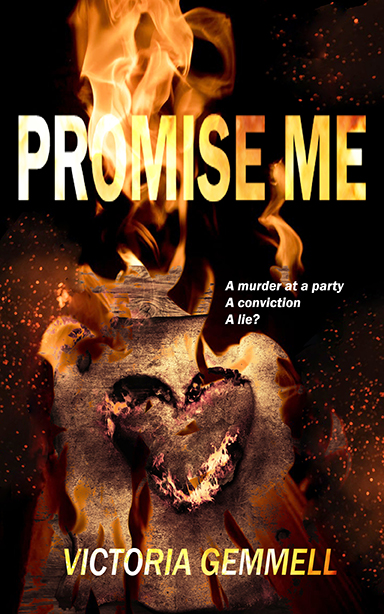
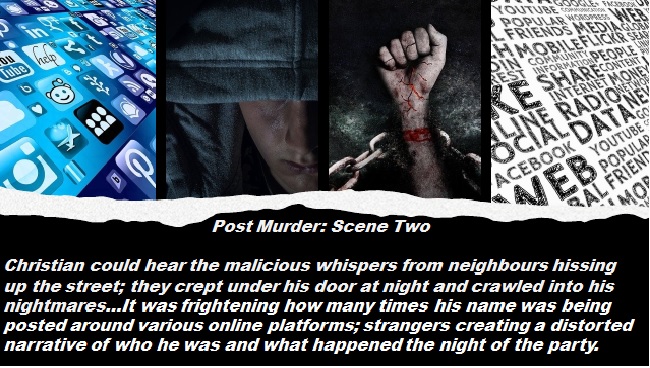
A big theme of my YA mystery, Promise Me, is the way in which press coverage and social media has the power to portray a certain narrative during high profile, emotional murder cases. One of the inspirations of the story was my memory of the sensationalist press coverage of convicted Scottish teen Luke Mitchell from many years ago. From 2003-2005 there was lots of press coverage around his case. Demonising language and character assassination was often used in reporters’ narratives (With headlines like ‘Devils Spawn’ appearing on front page reports).
The headline ‘Boyfriend, 15, charged (with murder of schoolgirl Jodi Jones)’, was published in the Edinburgh Evening News, (2004) before said boyfriend (Luke) even went to trial. Everyone in their small-knit town knew he was ‘the boyfriend’.
The paper took things a stop further and named him. The Press and Journal, Aberdeen, also ran a similar story. They faced contempt charges but were cleared of breaching the Criminal Procedure (Scotland) Act, that states “no newspaper report of any proceeding in court should identify anyone under the age of 16.” (In Scotland this is now 18). They were cleared of charges because judges ruled that the story was not a report of court proceedings. This is just one troubling example of how a fifteen-year-old boy, (and throughout his trial when he was sixteen), dominated headlines. Numerous false ‘facts’ were published about the case, and tabloids delighted in running sensationalist reports about Mitchell’s apparent obsession with knives, drug-taking, lack of discipline in a single parent household, even linking his music tastes to the murder.
I read a lot about the case and it made me realise how easy it could be for a small community to spread rumours relying heavily on hearsay and perceptions of a local outcast boy’s ‘reputation’, and how this could influence local prosecution investigations, and a jury. Conversations I’ve had with legal people where I questioned how anyone could truly be impartial in such a high profile case said a judge would have ensured jurors had no local connections to the case. The trial took place in Edinburgh, less than half an hour away from where the murder took place. I was reading newspaper stories an hour away from where it all unfolded and still felt emotional reactions to the reports, even if I didn’t personally know anyone.
My book Promise Me is a work of fiction, set in an affluent fictionalised Scottish village, and not about the Mitchell case, but I hope it makes people think about how damaging media and indeed, court narratives can be, and the distorted perceptions that communities can sometimes have of young people who don’t quite ‘fit’. In my job I’ve undergone unconscious bias training and I really believe the police involved in this case let a lot of their own unconscious bias (and media pressure to get a conviction), influence their decision-making. If you have an interest in finding out more about this case I recommend the brilliant podcast Through the Wall by Naomi Channell.
My latest YA thriller, Young Blood, is a story about young people in the care system who are kidnapped and taken to a secret house to become exclusive plasma donors for an elite group of wealthy adults who want to stay youthful and healthy. It’s told from the perspective of two teenagers – Ana who is outside the house and dealing with the realisation her mum may have early onset dementia; and Hope who is captured and taken to the house.
Young Blood was inspired by an article I read about an American start-up company ‘Ambrosia’, founded by a medical school graduate in 2016 which sold ‘young blood transfusions’ (from young people into older people). Charging a large sum of money for these transfusions, they claimed a range of health benefits such as treatment for Alzheimer’s. In a pitch about Ambrosia at a self-enhancement conference in 2017 Karmazin said, “We’re a company interested in making you young again.” In my day job I work with vulnerable teenagers. I see how much instability and uncertainty young people in the care system in particular can face. This sparked off the idea of having a powerful doctor set up a premium club who can access pure plasma transfusions from a select group of young people who are easy to make ‘disappear’, whilst maintaining a super-controlled environment within ‘the house.’
Links to buy my Young Adult books are here
I often take along strange news headlines to creative writing workshops I deliver in schools and get the class to choose one as inspiration for a story. A popular headline lots of pupils chose last year was, ‘Girl discovers criminal living in her attic.’ I love hearing the ideas form, and characters that start to develop. It also shows that we can all start with a similar idea, but when you create your own unique characters a truly unique story also starts to take shape…
Why not spend the week looking up interesting headlines, and see if it sparks off any great story ideas!


 VICTORIA GEMMELL