Interview with a Writer ~ Myra Duffy

After a short break from the blog last weekend, this week I’m delighted to welcome writer and friend Myra Duffy to my ‘Interview with a Writer’ feature. I’ve known Myra for many years, first meeting through a local writing group. I always enjoy catching up with Myra, (these days, usually at the annual Scottish Association of Writers’ conference), and we’ve had many chats about writing over the years, but I loved finding out new things from this interview. Winning a poodle as a prize for your first writing success, is a story in itself…

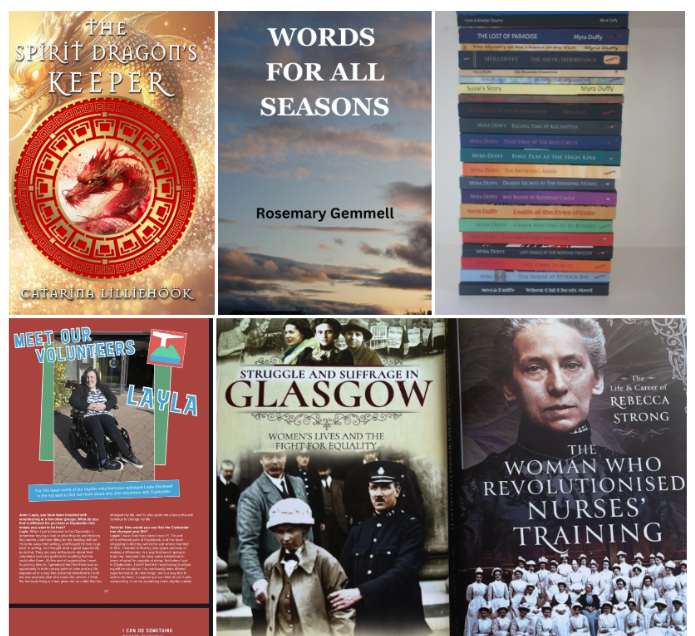
From the photograph of the stack of books you will see how much work Myra has penned over the years. Quite an achievement, and from the abundance of ideas referenced in the interview, it sounds like there will be many more books to come. As mentioned below, Myra is probably best known for her cosy crime series, set on the Isle of Bute, which is a great setting for a mystery series. If you love Richard Osman, then instead of buying his new book for Christmas (he’s famous enough!), give Myra’s series a go.

Myra has built up quite a fan club over on the Island and as well as finding her books via the link at the bottom of the post, if you are ever over on Bute be sure to pop into the local Bookshop Print Point where you will be able to pick up copies of Myra’s books. And if you happen to visit during the Bute Noir Crime Writing Festival, look out for her Isle of Bute Book Mystery bus tour!

Author Biography

Myra Duffy writes a variety of fiction and non-fiction but is best known for her cosy crime series set on the Isle of Bute, a small island just off the West Coast of Scotland. There are twelve novels and four novellas in the series featuring Alison Cameron, “an ordinary woman who finds herself involved in extraordinary events.” Myra says, ‘The island has a fascinating history, and this provides the inspiration for much of the action in my novels.’ Myra divides her time between Glasgow and Bute where she has long-standing family connections. She is a member of the Society of Authors and of the Crime Writers’ Association.

When did you first start writing?

I was 9 years old when I wrote my first novel ‘The Twins’. I was heavily influenced by Enid Blyton whose books I read avidly, as so many children did. I still have a copy but at 960 words I don’t think it was ever going to make the best seller list!

What do you write?

I’m probably best known for my contemporary Isle of Bute mystery series featuring Alison Cameron, but I like trying different genres. I’ve written a romance, ‘Love is Another Country’ set in a riding stables in Dumbarton, Scotland, and a contemporary novel, ‘The Lunch Club’ set in Glasgow. I’ve also written a children’s novel, ‘The Mystery of the Queen of the Inch’ set on Bute.

Last year the first in a new series was published, ‘The Lost of Paradise’ – a crime story set in Glasgow.

And at the end of 2024 I had a launch in the Bute Museum for the first in my new Bute series ‘The Ascog Inheritance’ – this time set on the island in the Victorian era. I really enjoyed doing the research for this one.

My problem is I have so many ideas: at the moment I’m concentrating on finishing the second in the Isle of Bute Victorian series as well as the sequel to ‘The Lost of Paradise’, but I have a number of other manuscripts in various stages of completion, including a Science Fiction novel and a Western!

What was your first published piece of work?

When I was 13 I won a competition organised by The Sunday Mail. The prize for this wasn’t what you’d expect – it was a dog, a poodle to be exact. Something that would most certainly not be allowed nowadays.

Why do you write?

I’d love to say I have some high-flown reasons for writing but the truth is that I write to stop the characters pestering me!

What, or who, has helped you on your writing journey?

So many people have helped me over the years. I’ve always found writers are such a supportive group. I was a member of Erskine Writers where winning in some of the competitions was a terrific boost to keep going when I had doubts. I’ve had brilliant Beta readers (I can be rather slapdash in my haste to finish the story). And I must make mention of two special writer friends: Joan Fleming (now sadly deceased) and Rosemary Gemmell (www.rosemarygemmell.co.uk) whose help has been invaluable.

Share a writing low with us. What did you learn from this?

My writing low was recent – I’ve moved house and anyone who has done that knows how stressful it can be. Especially when (as I had) you’d lived in the house for a very long time (44 years) and you have masses of stuff to dispose of. I’m only now coming back into being able to concentrate on writing.

The lesson I’ve learned is to adopt a minimalist lifestyle – except for books. They don’t count!

Share a writing high?

I don’t think anything will equal the feeling when my first novel The House at Ettrick Bay was so successful. Fortunately it continues to sell well.

Share some of your favourite lines from reviews, or comments you have received about your work, which boosted your confidence (tell us what piece of work it relates to)

I’ve been lucky to have had a number of reviews online by readers who know Bute well, commenting on the authenticity of the island setting.

The first review I had in the (sadly now longer in production) Buteman newspaper was of ‘The House at Ettrick Bay’ saying my main character was ‘someone you felt you could have a cup of tea with’ which was exactly the voice I was aiming for.

Any tips for new writers?

There’s no option but to write and to keep writing. My first couple of novels are in a drawer somewhere. They will never be published but they were good for practising the craft of writing. Above all, I’d advise any aspiring writer to join a writing group either in person or online.

I benefitted greatly from my time at Erskine Writers and am now a member of Bearsden Writers. I’m learning all the time.

And for all writers; any tips for keeping motivated? And how do you find time to write?

Don’t dwell on past mistakes! And let your piece of writing go. Most writers have a tendency to revise and revise and revise. Yes, make it as good as you can but at some point you have to send it out into the world.

It’s more about making the time to write. There’s a saying that a writer has the cleanest house in the street – it’s so easy to be distracted. I try to keep to the 1000 words a day routine but even if you only manage 100 it soon adds up.

Do you have a regular writing routine, or do you write in frantic bursts?

A bit of both – I try to have a routine but from time to time that fails and I’m left writing frantically to meet a deadline.

Where do you write? (A dedicated space, or on-the-go)

I do have a tiny study in my new home but I prefer variety – a different room or (especially when I’m on Bute) the local library.

Any stand-out books you have read recently?

Marble Hall Murders by Anthony Horowitz is one. He’s a brilliant writer and this third in the series has plenty of puzzles and red herrings to keep the reader involved.

The other stand out one for me is Yellowface by Rebecca F Kuang – a delicious take on the world of writing and publishing. It’s not a new idea but the blend of humour and intrigue kept me hooked.

Where can we find out more about you, and your books?

Click this link to buy Myra’s books

See Myra’s website here (myraduffywriter.com)

Find Myra on Facebook @myraduffywriter and occasionally on Instagram @myra.duffy.92

Interview a Writer ~ Victoria Gemmell *yes, me


This week I’m doing something a bit different on the blog to fill a gap for a planned post (which will be coming soon…). I thought about just having a week off, but then decided to ask my husband to fire some questions at me last night, with the resulting interview posted below.

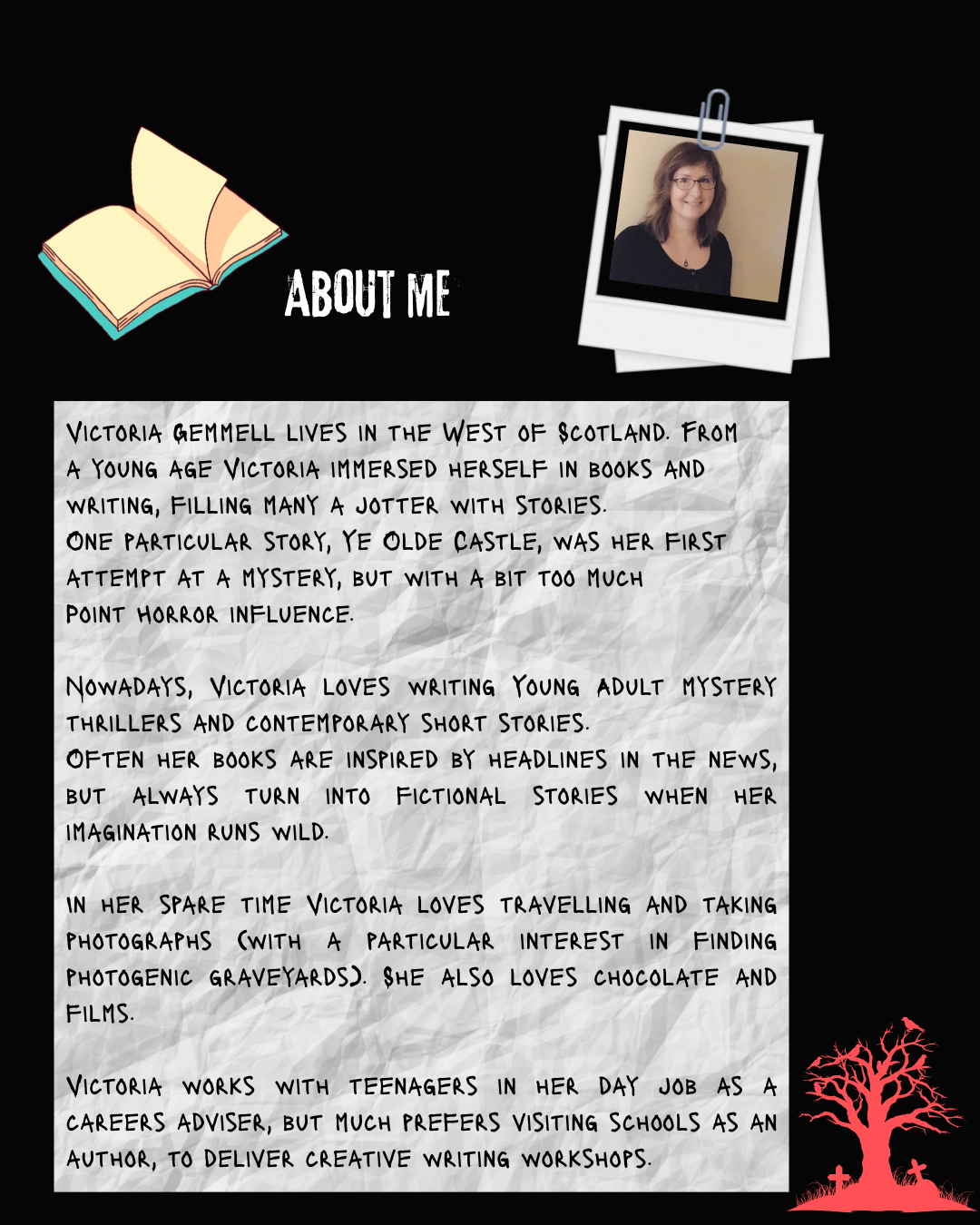
Author Biog (taken from my About Me page) :

Where do you get your inspiration for your books?

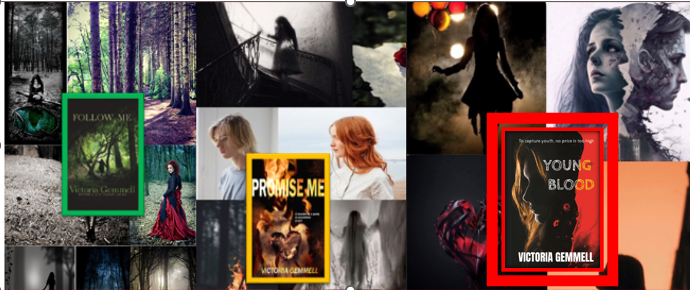
Headlines and articles in the news acted as a catalyst for the plots within all three of my YA Mystery/Thrillers. I imagined what would happen if fictional teenagers were placed at the centre of dark situations, (unexplained teen suicides in Follow Me; possible miscarriage of justice in a media obsessed teen murder case in Promise Me; the unveiling of an elite group who kidnap young people from the care system to extract their pure plasma to stay young in Young Blood) My teen protagonists start to uncover hidden truths that adults have been oblivious about, endangering themselves in the process. It’s not until my characters start to form, that the full story will start to unfold.

What do you do to get into a ‘creative headspace’?

Once a book starts to take shape I like to create a playlist for it on Spotify, choosing music which fits the ‘mood’ of the story. To this day there’s one particular Silversun Pickups album that I just need to hit play on and it takes me right back to the emotions I felt when I started to write Follow Me. Finding the right tone and ‘voice’ for a book can be challenging, and music helps me switch off the over-thinking part of my brain. When I’m thinking too much about a story I know it’s not working yet. You need to feel it.

What new book are you working on?

I’m attempting to write a middle-grade magic realism type story. I also have an idea for an adult thriller which might start to take over, so who knows which one I’ll finish first. At this rate it’ll be neither.

What do you think about the concept of AI written books?

Honestly I find it infuriating and worrying. About three years ago we started to talk about AI in work (in my day job as a careers adviser) and the impact it might start to have on certain careers. The topic was brought up on a regional staff day online and a colleague in another region flippantly said, ‘My friend has just written a children’s book with AI and is now selling it on Amazon’. I had to hold myself back as he was actually boasting about it; like it was an amazing achievement. There’s a lot of people out there who I think love the idea of writing a book, and saying they have done so, and love the idea of making money from it (ha, they’ll soon learn). The magic of writing for me is when your brain unlocks almost a super-power you don’t understand yourself; when characters form, ideas and words flow, and it all somehow connects together into a story. Often stories fall flat and don’t work out, and that’s important too. Trying, shaping and learning, and re-writing, and tapping in to your imagination. We’re already being brain-washed by algorithms and dopamine rewards online, which is disrupting our attention spans and the ability to feel ok being bored or at peace…and that’s when we do our best daydreaming and tap into our imagination. (I don’t think it’s a coincidence that I do some of my best thinking these days in the shower or bath!). I don’t want AI to steal our imaginations. It kind of feels like something from the plot of the Never Ending Story when Fantasia is threatened by ‘The Nothing’.

What do you find difficult subjects to tackle?

I shy away from writing anything which involves high-concept epic world-building (think space sci-fi series where characters have unpronounceable names.) I get bored reading this kind of thing, so I know I’d get bored writing it too, and I’d be really bad at it.

What do you enjoy writing about?

I love writing mysteries where I often don’t really know what has happened so I enjoy seeing the plot unfold as my characters develop. That’s the best kind of writing, where you feel like you’re the reader and the plot master rolled into one, and it’s amazing how much you can trust your subconscious to fill in blanks you haven’t even seen. (It’s often why I need to go back to re-write my endings as my characters take over and take me by surprise).

Where can we find your books? (click on highlighted links)

Young Blood: Amazon (paperback and kindle) on worldwide Digital platforms Order into: Waterstones Foyles

Promise Me: Amazon (paperback and kindle) on worldwide Digital platforms Order into: Waterstones Foyles

Follow Me – please contact me direct for a signed copy

Interview with a Writer ~ Denise Brown

This week I’m delighted to welcome writer Denise Brown to my blog. Denise writes Young Adult mystery thrillers and when I read her debut I am Winter a few years ago, (now re-released as We Know What You Did), it stood out to me as it was so raw and real, with well drawn and believable characters. I always get excited when I come across other YA mystery writers who base themselves in Scotland, and loved finding out more about Denise’s writing journey, and tips! (Note to self: keep my phone off when I’m writing). It’s reassuring to discover I’m not the only one who doesn’t always follow a structured plan. Read on to gain an insight into Denise’s writing world…

Denise Brown is a freelance ghostwriter, proofreader, and copy editor, who still pinches herself some mornings that she gets to sit at her desk and write stories for a living. She often wishes that she could go back and tell her eight-year-old self that it’s okay to daydream because that’s where the magic happens.

Born in East London, Denise has now settled in Scotland where she feels certain she must’ve lived in a previous life. She loves dogs and snow globes and has a teensy obsession with Jack Skellington.

Her debut YA murder mystery I Am Winter was published by Hashtag Press in 2021, relaunched in November 2024 as We Know What You Did. Her second novel, It All Started with a Lie, followed in February 2024. Her third murder mystery No One Keeps a Secret was published in August 2025.

When did you first start writing?

I always loved books. I suffered from chronic shyness as a child – still do to be honest – and books were my escape from having to interact with people. It was the same with writing stories. But when I left school, writing wasn’t an acceptable career choice for a teenager from East London, so life took over, as it does. I got married, had babies, and repeated the process a second time. So, it wasn’t until later in life, when my children were growing up that I realised it was finally time to focus on me. I began studying for an English literature degree with the OU, took an advanced creative writing course, and have been writing ever since.

What do you write?

Personally, I write mystery thrillers for young adults, although I’m also working on a middle grade book too right now. As a ghost writer – I’ve been writing full-time since the pandemic – I mostly write niche romance and some omegaverse.

What was your first published piece of work?

It was a gritty YA novella called The Devil on Your Back, published by Salt. This was fresh out of my creative writing course and was a huge ego boost!

Why do you write?

Because writing is now like breathing. I can’t imagine a world without books or writing. I’ve been writing every day for the last twelve years, and stopping now would be like giving up food or air or my dog!

What, or who, has helped you on your writing journey?

My children have always been extremely supportive. They believed in me even when I had no belief in myself. Impostor syndrome is still there, but I think I’ve learned to deal with it more effectively these days. But I think the real turning point for me was being longlisted for the Bath Novel Award. It was the justification I needed to carry on despite the rejections because someone liked my writing and believed that my story was worth reading.

Share a writing low with us. What did you learn from this?

My first book I am Winter was noticed by a couple of people. A literary agent requested the full manuscript but decided not to proceed because she felt that it was too young adult for her list. Then I signed a contract with a relatively new publishing company, only to find a few months later that the book was too mature for their list.

What I learned from this is that a book will be discovered by the right person at the right time, and no amount of querying will ever alter this. If it isn’t a right fit for both author and publisher, then it is time to walk away and try again.

Share a writing high?

Well, the first one has to be the day I received an email from Helen and Abiola of Hashtag Press, telling me that they wanted to publish my first book I am Winter. Without them, and their relentless passion for their authors, I wouldn’t be sitting here now talking to you.

But I’d like to share another one with you also. In December 2023, I attended an Indie Book Launch with lots of other indie authors at Foyle’s Charing Cross to promote my second book It All Started with a Lie. While I was there, a reader came over and told me that she’d come specifically to meet me because she loved my first book so much. It was the best feeling, knowing that someone had read my book and enjoyed it that much!

Share some of your favourite lines from reviews, or comments you have received about your work, which boosted your confidence (tell us what piece of work it relates to)

A reader wrote this about my first book I am Winter, and it literally brought tears to my eyes because it was more than I could’ve ever hoped for when I first started writing:

“This YA novel has my heart, and Summer all my love.” (Summer is the main character)

But this (below) has to be one of my favourite quotes for It All Started with a Lie, simply because it’s honest and straight to the point, and it made me laugh:

“Every character was likeable, except the murderer. And Jed. F**k Jed. But everyone served a point (even Jed).”

Any tips for new writers?

Write every day, even if it’s a hundred words. No writing is ever wasted. And read for pleasure every day too. Because while you’re reading, your brain is subconsciously absorbing what works and what doesn’t.

And for all writers; any tips for keeping motivated? And how do you find time to write?

I write full-time, so the second question doesn’t really apply. But what works for me to keep me motivated is to never have a fixed outline to follow. I realise that this won’t work for everyone, but I find that I get easily bored if I don’t allow the characters to do their own thing within a loose storyline. Also, switch off your phone! My phone is always on silent. Which annoys my daughters when they’re trying to get hold of me while I’m working.

Do you have a regular writing routine, or do you write in frantic bursts?

I follow the Pomodoro Technique of writing in twenty-five-minute bursts and then taking a break from my laptop for five minutes to make a cup of tea, or do some hoovering, or cuddle the dog!

Where do you write? (A dedicated space, or on-the-go)

At my desk. Since my daughter recently moved out, I now have an entire room dedicated to my workspace, with views of the woods in the distance which is lovely. Unfortunately, I’m not one of those people who can write anywhere. I’ve tried writing on train journeys, but I suffer with motion sickness, so it simply doesn’t work for me, and cafés are too distracting.

Any stand-out books you have read recently?

The Mermaid of Black Conch by Monique Roffey. It’s a retelling of The Little Mermaid, and is so charming, and so beautifully written that I didn’t want it to end.

Other books that I absolutely adore are:

Imaginary Girls by Nova Ren Suma (quite possibly my favourite book ever)

We Were Liars (of course!) by E. Lockhart

And more recently:

The House in the Cerulean Sea by TJ Klune

Happyhead by Josh Silver

Where can we find your books, and find out more about you?

Denise’s books can be bought in Waterstones, WH Smiths (now TG Jones) and on Amazon

Author website: About | Denise Brown Author

Instagram: Denise Brown Author (@denisebrownuk)

Happy 1 year book-versary to Young Blood

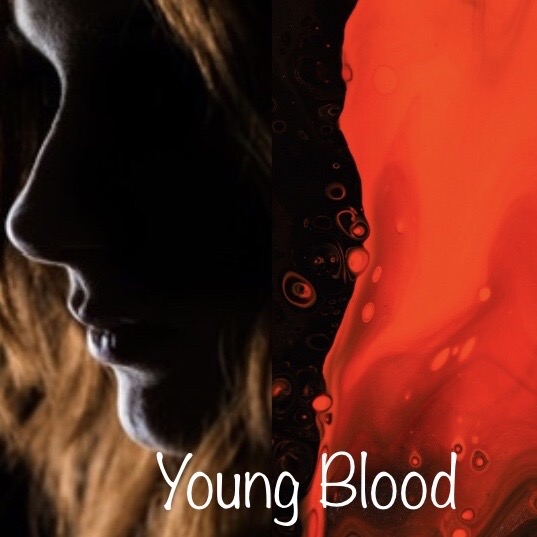
This time last year I released my Young Adult crossover thriller Young Blood out into the world so I thought I’d do a post to mark the milestone.

This week I am also running a give-away alongside Ornate Alchemy on Instagram, where you can win one of their beautiful custom-made Bloodstone pendants , and a signed copy of Young Blood. If you live in the UK head over to our Instagram pages to enter: @victoriagemmellauthor @ornatealchemy You have until 5pm Friday!

It always feels strange once a book reaches publication. You spend years perfecting the story, (I’ve not yet mastered a quick turn-around), pouring a lot of heart and soul into the pages, spending hours with the characters in their world, and then suddenly it’s not just in your head anymore; it’s out there on paper for anyone to read. And then you go through a mix of emotions when you realise people are buying the book and actually reading it. What will they think? Will they enjoy it? Will they get past chapter one? Will they like that character as much as you enjoyed writing them? Will they get angry and emotional in the right places? It always delights me (and fills me with relief), when someone tells me they finished my book and loved it. This happened actually at the weekend when a friend’s mother-in-law told me how much she enjoyed Young Blood and was interested enough about the story to ask me about the inspiration behind it.

She said something along the lines of, ‘You write in a lovely way.’ These kinds of comments are so appreciated; I don’t think people realise how much writers need to hear this sometimes. Not to feed our egos, but to motivate us to keep going. I’m at the early stages of writing a new book just now and it always feels like a tricky stage, when nothing is fully formed and you are constantly questioning if this is any good or if it’s the most boring trite that you’ve ever attempted. The characters haven’t all appeared yet, and the ones who have, are still not showing you their true motivations; the setting is still taking shape, the plot has lots of holes and you’re not quite sure what’s next, but you are hoping if you keep writing all will be revealed.

In Scotland, where I live, we’re not very good at celebrating our achievements, often downplaying ourselves in self deprecating ways. Oh you enjoyed my 100,000 word novel, och that was nothing really. Just a little thing I did. Actually it was a big thing, and I locked myself away in a room by myself for hours on end to get the words just right and showed up, and didn’t give up, and saw it all the way through to the final end of being able to hold the finished copy in my hands…

Here’s some extracts from some favourite feedback and reviews I’ve received about Young Blood since it’s release. One of them was written by my Dad; you might think that’s embarrassing and a total faux pas to even mention, a bit like the bad example pitch emails to agents ‘My Mum told me this is the best thing she’s ever read in her life so I know this is going to be a best-seller.’ But actually my Dad hasn’t read much of my work over the years (no slight to him; he doesn’t read much teen fiction, believe it or not! And now he is retired he also has more time on his hands). I think he was maybe a wee bit surprised by how much he actually enjoyed Young Blood, and I was delighted that he did.

The standard of writing is superb, with excellent descriptions of characters and locations without becoming boring. As the mystery progresses you desperately want to find out what is going to happen. This thriller is a compelling read for the YA market and adults alike and I’m not just saying this because I’m Victoria’s Dad! Great Christmas Gift! (hey people get your Christmas shopping in early! – that’s me adding in this comment)

Wow!

Only 19% in and I was on tenterhooks and by half way through I was desperate to know what happened and took it to bed with me. Definitely not conducive for sleep but I just couldn’t put it down.
I loved the twists and turns that had me gasping. Credit for the author. I definitely recommend. A brilliant read!

Thrilling and involving, this is one not to miss.

Young Blood, the latest YA novel by author Victoria Gemmell is not a story for the faint-hearted….These characters are not cardboard cut-outs. They are richly developed, with flaws as well as virtues. Faced with almost impossible choices, a group of teenagers find the courage to challenge the powerful figures behind the conspiracy even though they know that their chances of winning are almost zero.

I was gripped by the story from the start- was a real page turner and was desperate to read on and discover how the plot developed! Can’t wait to read more from this author!

Captivating. This book is made for the big screen.

Great read! Really gripping and loved the character of Hope. Would make a fab film. (Hi, Netflix, are you reading?)

Loved it. Every bit as accomplished as a Good Girl’s Guide to Murder

Have I tempted you yet to take a chance on Young Blood?

If so here’s the links to Amazon to buy: and wider digital channels here: Order into bookshops here and here Abbey Books in Paisley might also still have a copy kicking about

(P.s It’s only £1.99 on kindle just now which is way cheaper than a nice coffee, and it will get your heart racing just as much as caffeine, and the buzz will last longer…)

Inspiration is Everywhere #Part 3 (blog post 6 of series

Continuing with the theme of sharing where I find inspiration for stories, today’s post is about the inspiration behind my Young Adult books. I’m cheating a bit with this post and extracting a section from a blog post I wrote back in 2022, where I went into quite a bit of depth already about the inspiration behind my debut YA mystery, Follow Me, and my second YA mystery, Promise Me. You can read the full post ‘Stranger than Fiction’ here

My latest YA Thriller, Young Blood, was also inspired by an article I read in the press, so it fits nicely with the theme of paying attention to what you read in the news. Just like I talked about in last week’s ‘inspiration’ post, the best stories can be formed from things that catch your attention in ‘real- life’, if you add in the ‘What if’ question, and let your imagination run wild…

News headlines often catch my eye and act as a catalyst. When my imagination takes over, and characters start to form, a story of fiction then unfolds, where I imagine what would happen if fictional teenagers were placed in these situations I read about.

Numerous reports of the unexplained Bridgend suicides stayed with me for years .There were twenty-six known suicides in the town between 2007-2008, and most of those who lost their life were young adults. I remembered opening newspapers at the time, wondering what on earth was going on in that town.

In my book Follow Me my 17-year-old protagonist, Kat, begins a desperate search for answers and explanations, after her twin, Abby, is the sixth in their small Scottish town to die by apparent suicide.

A big theme of my YA mystery, Promise Me, is the way in which press coverage and social media has the power to portray a certain narrative during high profile, emotional murder cases. One of the inspirations of the story was my memory of the sensationalist press coverage of convicted Scottish teen Luke Mitchell from many years ago. From 2003-2005 there was lots of press coverage around his case. Demonising language and character assassination was often used in reporters’ narratives (With headlines like ‘Devils Spawn’ appearing on front page reports).

The headline ‘Boyfriend, 15, charged (with murder of schoolgirl Jodi Jones)’, was published in the Edinburgh Evening News, (2004) before said boyfriend (Luke) even went to trial. Everyone in their small-knit town knew he was ‘the boyfriend’.

The paper took things a stop further and named him. The Press and Journal, Aberdeen, also ran a similar story. They faced contempt charges but were cleared of breaching the Criminal Procedure (Scotland) Act, that states “no newspaper report of any proceeding in court should identify anyone under the age of 16.” (In Scotland this is now 18). They were cleared of charges because judges ruled that the story was not a report of court proceedings. This is just one troubling example of how a fifteen-year-old boy, (and throughout his trial when he was sixteen), dominated headlines. Numerous false ‘facts’ were published about the case, and tabloids delighted in running sensationalist reports about Mitchell’s apparent obsession with knives, drug-taking, lack of discipline in a single parent household, even linking his music tastes to the murder.

I read a lot about the case and it made me realise how easy it could be for a small community to spread rumours relying heavily on hearsay and perceptions of a local outcast boy’s ‘reputation’, and how this could influence local prosecution investigations, and a jury. Conversations I’ve had with legal people where I questioned how anyone could truly be impartial in such a high profile case said a judge would have ensured jurors had no local connections to the case. The trial took place in Edinburgh, less than half an hour away from where the murder took place. I was reading newspaper stories an hour away from where it all unfolded and still felt emotional reactions to the reports, even if I didn’t personally know anyone.

My book Promise Me is a work of fiction, set in an affluent fictionalised Scottish village, and not about the Mitchell case, but I hope it makes people think about how damaging media and indeed, court narratives can be, and the distorted perceptions that communities can sometimes have of young people who don’t quite ‘fit’. In my job I’ve undergone unconscious bias training and I really believe the police involved in this case let a lot of their own unconscious bias (and media pressure to get a conviction), influence their decision-making. If you have an interest in finding out more about this case I recommend the brilliant podcast Through the Wall by Naomi Channell.

My latest YA thriller, Young Blood, is a story about young people in the care system who are kidnapped and taken to a secret house to become exclusive plasma donors for an elite group of wealthy adults who want to stay youthful and healthy. It’s told from the perspective of two teenagers – Ana who is outside the house and dealing with the realisation her mum may have early onset dementia; and Hope who is captured and taken to the house.

Young Blood was inspired by an article I read about an American start-up company ‘Ambrosia’, founded by a medical school graduate in 2016 which sold ‘young blood transfusions’ (from young people into older people). Charging a large sum of money for these transfusions, they claimed a range of health benefits such as treatment for Alzheimer’s. In a pitch about Ambrosia at a self-enhancement conference in 2017 Karmazin said, “We’re a company interested in making you young again.” In my day job I work with vulnerable teenagers. I see how much instability and uncertainty young people in the care system in particular can face. This sparked off the idea of having a powerful doctor set up a premium club who can access pure plasma transfusions from a select group of young people who are easy to make ‘disappear’, whilst maintaining a super-controlled environment within ‘the house.’

Links to buy my Young Adult books are here

I often take along strange news headlines to creative writing workshops I deliver in schools and get the class to choose one as inspiration for a story. A popular headline lots of pupils chose last year was, ‘Girl discovers criminal living in her attic.’ I love hearing the ideas form, and characters that start to develop. It also shows that we can all start with a similar idea, but when you create your own unique characters a truly unique story also starts to take shape…

Why not spend the week looking up interesting headlines, and see if it sparks off any great story ideas!

What’s next?

I’m sitting typing this on a dark, rainy afternoon thinking Autumn has truly arrived and on days like these it feels good to be indoors doing creative things. I’m still working on some final edits for my Young Adult thriller Young Blood. I don’t always talk much about books that aren’t out yet but I’m quite excited about this one and want to build up some momentum to the release (which will hopefully be in Spring). For Promise Me I did a launch online, two Octobers ago, when life still wasn’t quite ‘back to normal’, (whatever normal is these days!) and for Young Blood I’m hoping to have some fun organising a couple of in-person events.

I started working on this book a good few years ago, but it took me a while to settle on how to write it. The plot really started to take shape when I spent the weekend at the fantastic Chasing Time Writers’ retreat back in 2018, (which sadly is no more). I stayed in a big gothic style mansion dating back to the 1800s during the retreat, which was perfect as a similar house features in Young Blood and I found when I was there scenes started to jump into my head, helping me plot out the first eight chapters, which then gave me the momentum to really crack on with the book when I returned home. I finished my first draft in 2020 and then multiple rounds of edits took place. Last year I decided to give it some space, mulling over some further structural edits and now I’m nearly there with the final final draft. (Though I know there will still be lots of further proofreading and line edits!).

In the meantime here’s a short extract and blurb for the book:

“This place you’re taking me to, it sounds too good to be true. What’s the catch?”

She hesitated, lowering her voice, “It’s all true; the luxuries, the comfort

All they want in return is one little thing.

Your blood.”

Held captive in a gothic house, kidnapped teenagers from the care system are exploited by a wealthy ring of powerful individuals for their ‘pure plasma’ blood transfusions. To cure illness and chase the dream of eternal youth, no price is too high.

When fifteen year old Hope goes missing, her friend Ana starts to unravel dark secrets that could lead to her rescue.

But then Ana has to make an impossible choice, receiving an offer that could mean curing her mum of early on-set dementia, at the cost of friendships and lives.

Would you betray your friends to save your Mum?

At the same time as focusing on this project, I have a new book idea taking shape in my head (and sometimes on paper!) I’ve got lots of short notes about characters and plot and scenes that randomly keep popping in to my head. I can’t wait to properly get stuck in to get some chapters down. It might even turn into a series, and even although it looks like the story will have another teen protagonist, it’s a teen with a difference (I’m not revealing anything about this one yet!) and the themes lend themselves more to an adult novel, so that will be an exciting new challenge.

On Instagram this month I noticed a fun creative challenge #writetober23 created by the author Annalise Avery (you can find out more about Annalise and her books here) We’re given prompts every day to provide insight into our creative process.

I’ve found it hard lately to nurture my creative brain so I’ve found posting daily about my writing process and taking time to put together some creative Instagram posts has been really helpful to keep me in the right frame of mind! If you’re on Instagram you should join in, there’s still plenty of days left in October to get going! You can find the prompts on Annalise’s acccount – @annaliseavery and you can find me on at @victoriagemmellauthor

On Friday afternoon I was invited along to chat to the Storytellers Society at the University of the West of Scotland. It was nice to see students creating a space to talk about books and writing in amongst their studying.

Next month I will be visiting Erskine Writers to deliver a workshop on writing flash fiction which is always a fun topic.

In the press & other adventures

In a well timed run-on from my last post about social media allowing users their 15 minutes of fame, here is mine. You can follow this link to read a feature in my local paper, the Renfrewshire Gazette, where I talk about my YA mystery Promise Me and why I enjoy writing for teenagers.

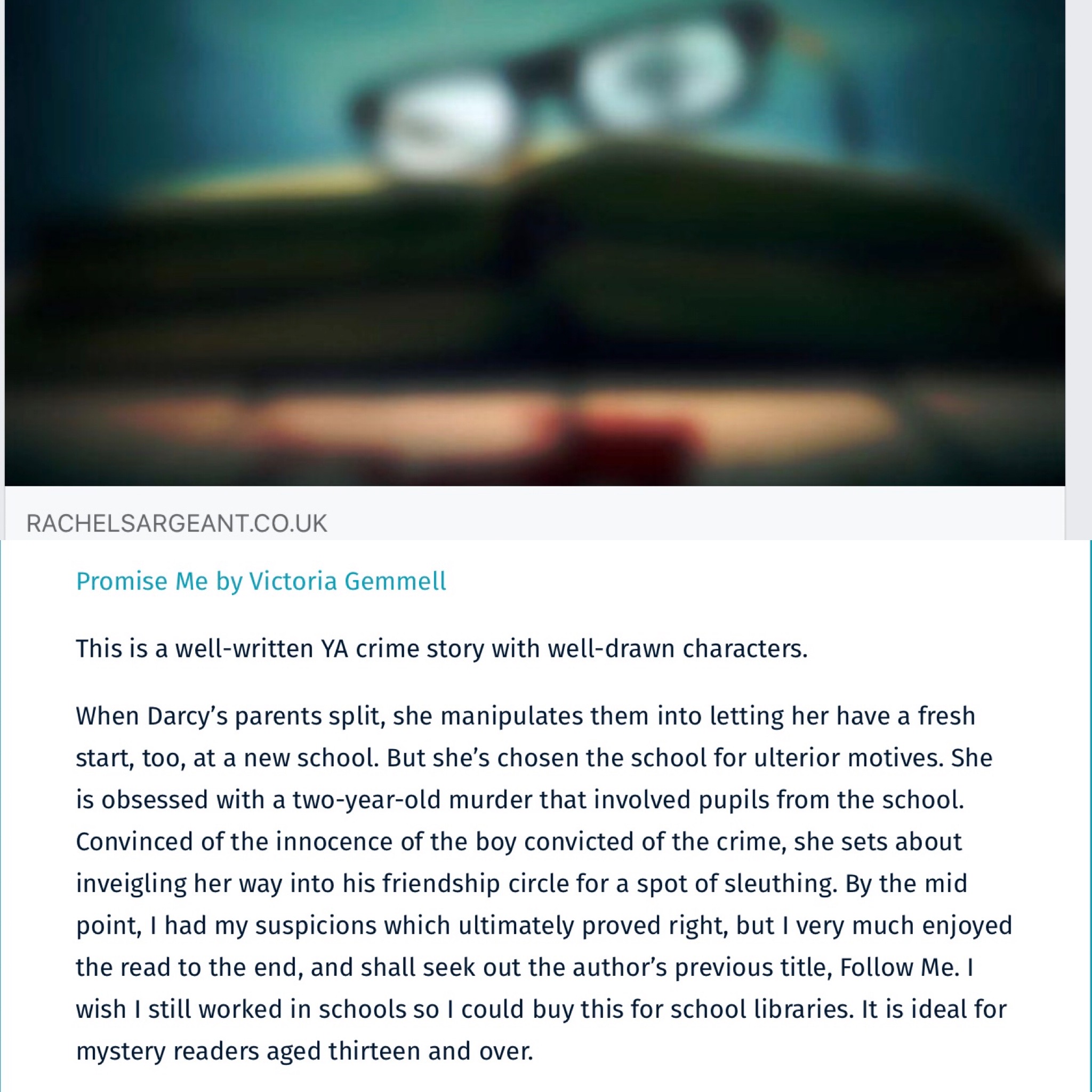
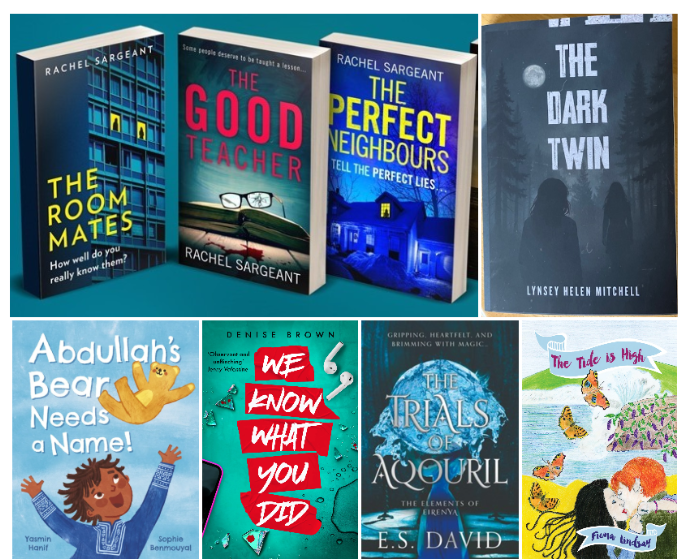
Last month I was also delighted to be tagged in a great review for Promise Me. I’ve put an image of this below but it is worth visitng Rachel Sargeant’s site for other great thriller reviews here. Rachel’s thrillers are now on my TBR pile!

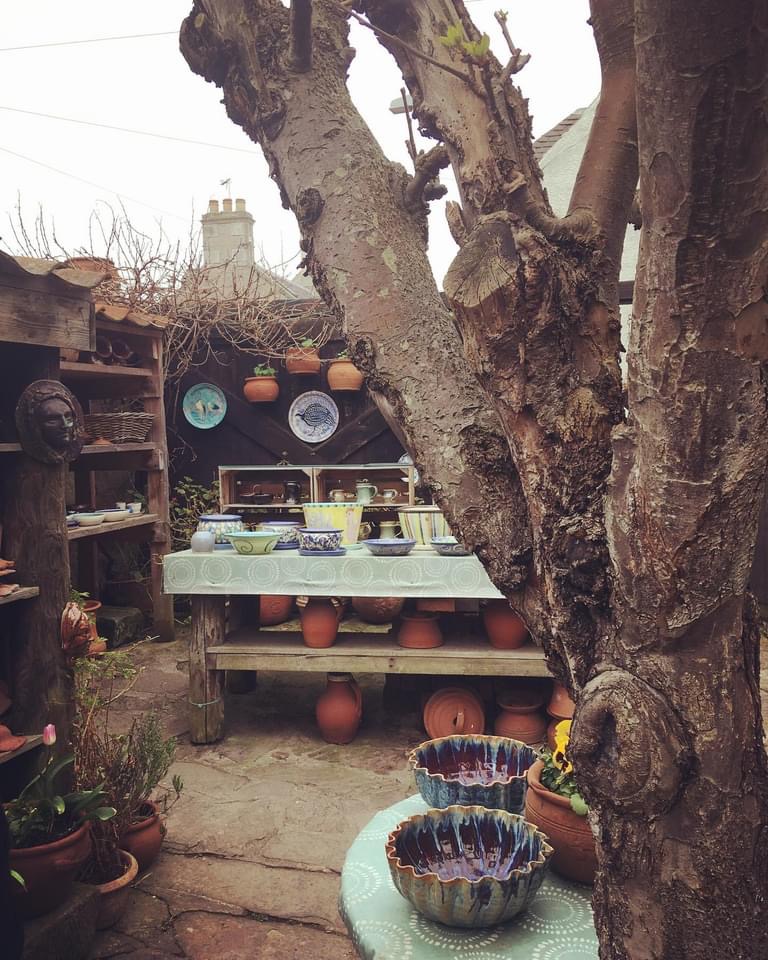
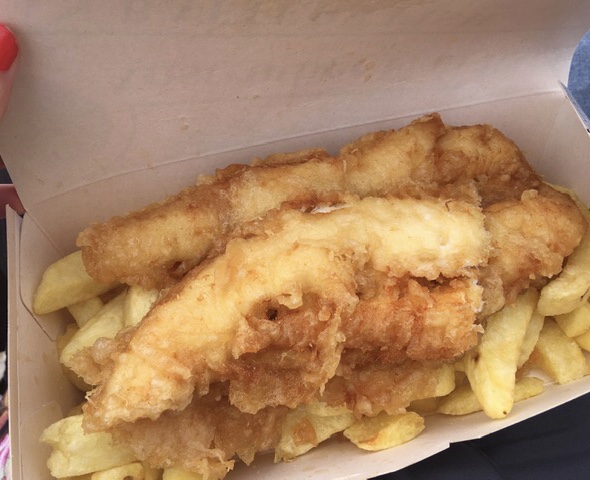
The past week I had a nice break from work, visiting St Andrews, Anstruther and Crail. The sun kept shining most of the time which was a bonus. Highlights were browsing in Topping and Company Books, having a wander round Crail Pottery and sampling the infamous Anstruther fish and chips (some photos below).

Now it’s back to reality and I’m trying to get words down for a new book I’m working on. Scenes keep popping in to my head, which is great, but none of them are in any logistical order, so I am wondering if I should deviate from my usual linear book writing process and just see where it all takes me!

Stranger than fiction

At the moment I’m currently watching Inventing Anna on Netflix. This drama series is inspired by the New York investigative article by Jessica Pressler, (read here), which explores the story of Anna Delvey (Sorokin), a young woman who fooled Manhatten’s elite into believing she was a German heiress socialite, and managed to scam hotels, banks and various people along the way. I remember when the story broke a couple of years ago I was desperate to read the book My Friend Anna, (written by one of Anna’s ‘friends’ who found herself caught up in one particular hotel scam), to find out more about this brazen con-woman.

Reading about, and now watching, Anna’s exploits reminds me how compelling real-life stories can be. And how it can be difficult to determine what is fact and fiction when others try to re-tell, or present, a story. At the start of every episode of Inventing Anna is a quote along the lines of, “This whole story is completely true, except for all the parts that are totally made up.” If this series had been presented as a documentary I can’t help thinking that quote could still apply, as we would always be viewing Anna’s story through the lens of someone else’s perceptions and edits. And if Anna releases her own story how will anyone be able to trust what is actual truth, considering the fake persona she presented to the world, and the multiple lies she spun?

The three Young Adult books I have written are all inspired by real-life stories in the news. Headlines often catch my eye, but then my imagination takes over and I then create a story of pure fiction. The above image contains real headlines that I remembered reading. The numerous reports of the unexplained Bridgend suicides stayed with me for years .There were twenty-six known suicides in the town between 2007-2008, and most of those who lost their life were young adults. I remembered opening newspapers at the time, wondering what on earth was going on in that town.

In my book Follow Me my 17-year-old protagonist, Kat, begins a desperate search for answers and explanations, after her twin, Abby, is the sixth in their small Scottish town to die by apparent suicide.

A big theme of my new YA book, Promise Me, is the way in which press coverage and social media has the power to portray a certain narrative during high profile, emotional murder cases. One of the inspirations of the story was my memory of the sensationalist press coverage of convicted Scottish teen Luke Mitchell from many years ago. From 2003-2005 there was lots of press coverage around his case. Demonising language and character assassination was often used in reporters’ narratives (see above headline: ‘Devils Spawn’).

The headline ‘Boyfriend, 15, charged (with murder of schoolgirl Jodi Jones)’, was published in the Edinburgh Evening News, (2004) before said boyfriend (Luke) even went to trial. Everyone in their small-knit town knew he was ‘the boyfriend’.

The paper took things a stop further and named him. The Press and Journal, Aberdeen, also ran a similar story. They faced contempt charges but were cleared of breaching the Criminal Procedure (Scotland) Act, that states “no newspaper report of any proceeding in court should identify anyone under the age of 16.” (In Scotland this is now 18). They were cleared of charges because judges ruled that the story was not a report of court proceedings. This is just one troubling example of how a fifteen-year-old boy, (and throughout his trial when he was sixteen), dominated headlines. Numerous false ‘facts’ were published about the case, and tabloids delighted in running sensationalist reports about Mitchell’s apparent obsession with knives, drug-taking, lack of discipline in a single parent household, even linking his music tastes to the murder.

I have read a lot about the case and it made me realise how easy it could be for a small community to spread rumours relying heavily on hearsay and perceptions of a local outcast boy’s ‘reputation’, and how this could influence local prosecution investigations, and a jury. Conversations I’ve had with legal people where I questioned how anyone could truly be impartial in such a high profile case said a judge would have ensured jurors had no local connections to the case. The trial took place in Edinburgh, less than half an hour away from where the murder took place. I was reading newspaper stories an hour away from where it all unfolded and still felt emotional reactions to the reports, even if I didn’t personally know anyone.

When I first started to write Promise Me, a friend told me to watch documentaries about The West Memphis Three, teenage boys convicted of murdering young local boys in Texas. They were later freed after the initial documentary Paradise Lost caught the attention of high profile musicians and celebrities who joined the fight to prove their innocence. (Interestingly the documentary makers through trying to disprove what they perceived as a false narrative about the accused, then nearly created their own false ‘villain’, due to the way they presented another local in interviews throughout Paradise Lost!)

In court proceedings much had been made of the West Memphis ‘ringleader’, Echols’ interest in heavy metal music, preference for black clothing and interest in Wicca and the occult, and his unstable home life. Like the Mitchell case, no concrete evidence linked the boys to the murders.


My book Promise Me is a work of fiction, set in an affluent fictionalised Scottish village, and not about the Mitchell or Memphis case, but I hope it makes people think about how damaging media and indeed, court narratives can be, and the damaging perceptions that communities can sometimes have of young people who don’t quite ‘fit’.

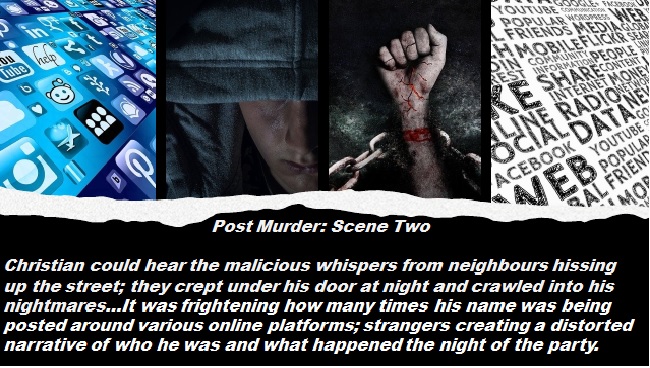
I’ll leave you with a short overview and extract from Promise Me: (available to buy here)

Sixteen-year-old Christian Henderson is convicted of murdering pretty local girl, Louisa, at a Halloween party, with online forums spinning stories of what happened that night. When teenager Darcy moves to their wealthy local village she befriends the inner social circle at school and strikes up a friendship with Christian through letters, determined to uncover unanswered questions around the conviction.

But when threats begin, Darcy realises someone might be prepared to do anything to hide the truth.

Launch of my new YA Mystery Promise Me

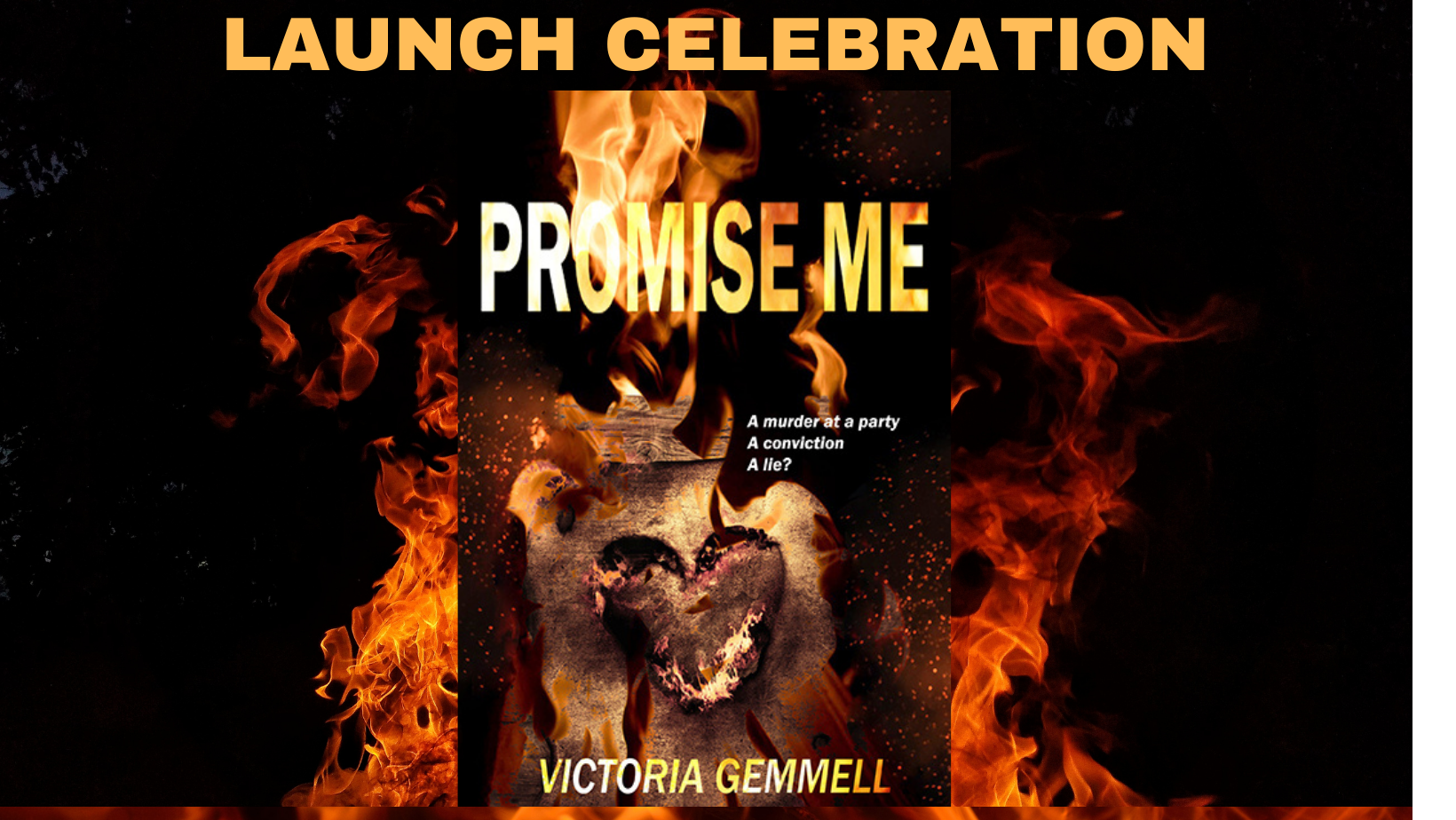
Tomorrow I am having an online celebration for the launch of my new YA mystery Promise Me. Anyone can join the facebook page to take part in giveaways and watch some videos/find out more about the book!

Follow the link here: to the page … and this link takes you to the platforms where you can purchase Promise Me

Cover Reveal for Promise Me

Young Adult Mystery ~ released end of October

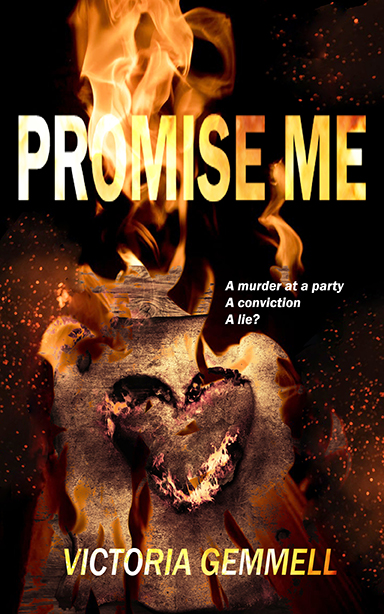
One of the most exciting things on the lead up to the release of a book, (I think anyway), is getting to see your cover come to life. I am delighted today to ‘unveil’ the front cover of my new Young Adult mystery Promise Me which will be released at the end of the month.

I think my talented designer friend Rebecca Johnstone, (check out her Dainty Dora website here), has done an amazing job of putting together a dramatic and eye-catching design. I gave Rebecca a rough outline of what I wanted, then Rebecca worked her creative magic to pull it all together. It was a fun, collaborative process and it has been lovely to commission a friend to work on such an important part of my book.

~ Here is a teaser blurb for Promise Me~

When threats begin, Darcy realises someone might be prepared to do anything to hide the truth


Following the separation of her parents, seventeen-year-old Darcy moves with her mum to a wealthy Scottish village which hit the headlines when a local girl was stabbed at a Halloween party two years previously. 

Darcy always wondered about Christian Henderson’s conviction of murder, fascinated by this attractive misfit and his story. 

Much of Christian’s trial took place online, before he even reached the courtroom, with witch-hunt style podcasts and online forums spinning stories of what happened the night of the party. 

Darcy befriends the inner social circle at school and strikes up a friendship with Christian through letters, determined to uncover unanswered questions around the conviction

But who can she believe?