
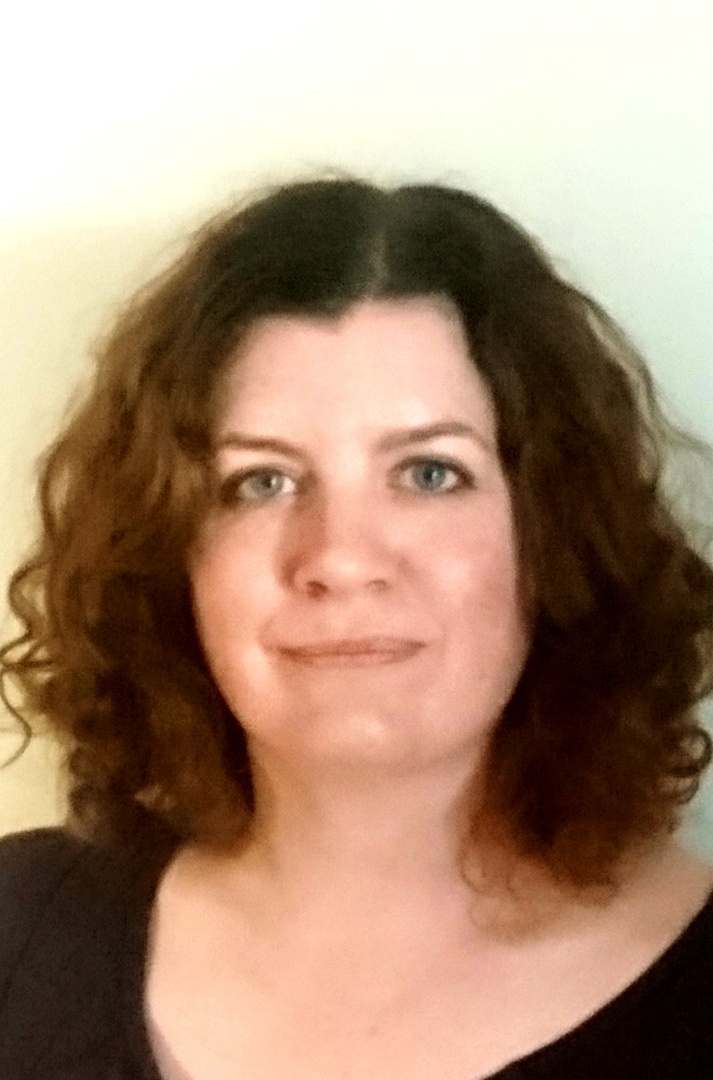
Happy New writing year! I’m delighted to kick off 2026 with an interview with writer and journalist, Judith Vallely. After featuring Judith’s writer mum, Myra Duffy, on my blog back in November (see here), it’s a pleasure to now find out more about Judith’s writing career.
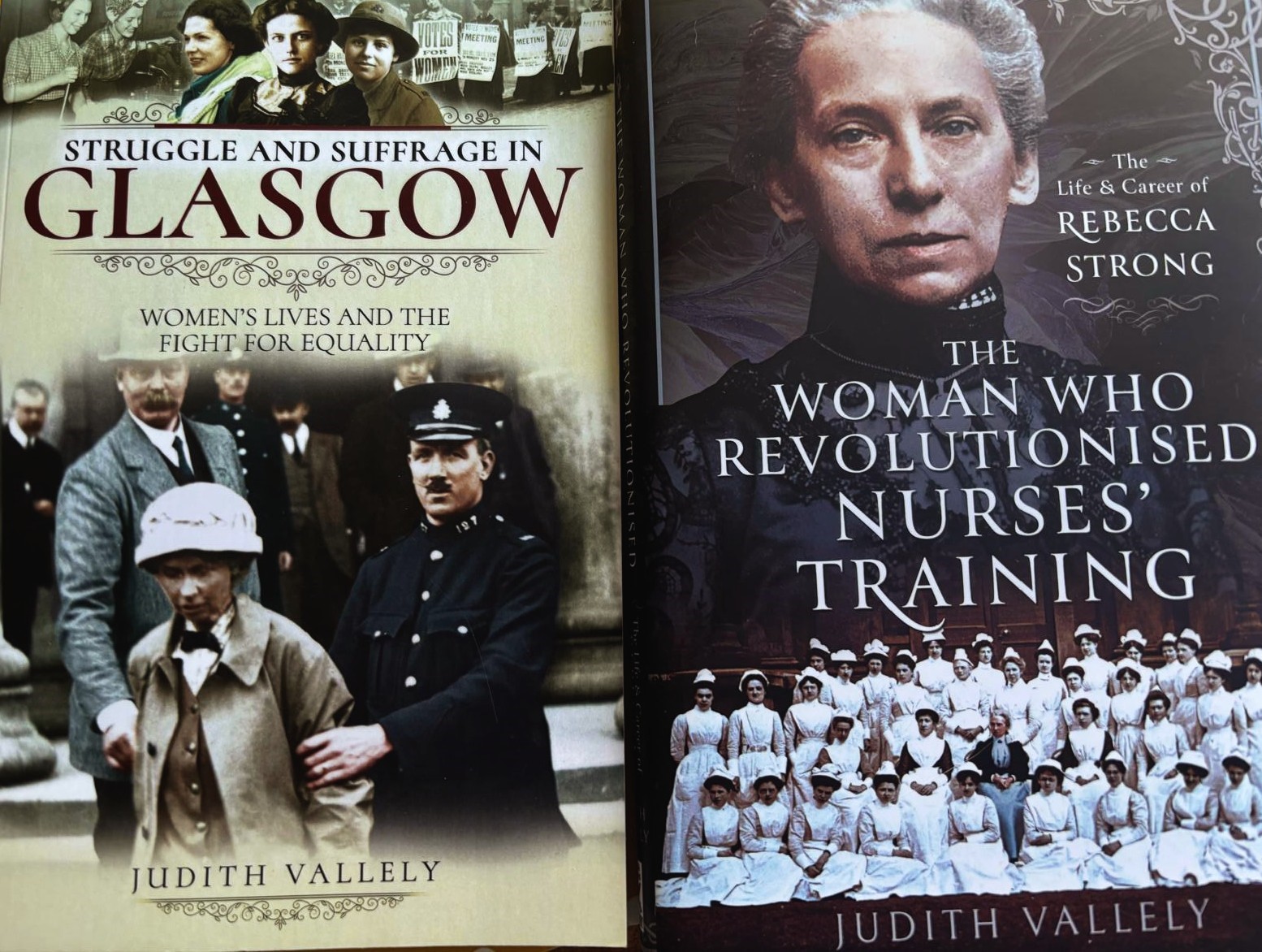
It was interesting to gain insights into Judith’s extensive journalism career, and find out more about how she has managed to balance a busy day job alongside researching and writing fascinating non-fiction books (see photos above of these books, and links below of where to buy).
I have a lot of admiration for writers who manage to multi-task, as it’s something I often struggle with; knowing how to give priority to everything I want to achieve. There’s some great tips here from Judith to keep us all motivated. If you’ve made some writing resolutions of your own this year, I wanted to extract one simple reminder from Judith: ‘If you are struggling to write, just start with a sentence…’ Read on to find out more…
Writer Biography
Judith Vallely is a writer and journalist who lives and works in Glasgow and has an MA in English and Scottish Literature from Edinburgh University, and a postgraduate diploma in newspaper journalism from Napier University, Edinburgh.
She is the author of Struggle and Suffrage in Glasgow: Women’s Lives and the Fight for Equality and The Woman Who Revolutionised Nurses’ Training: The Life and Career of Rebecca Strong
When did you first start writing?
I’ve always loved reading and writing from a young age – scribbling down various stories. I’m told when I was around five years old I used to sneak out of bed late at night and be discovered looking at books.
What do you write?
I’ve had a 20 plus years career in journalism writing mainly news stories, but also features and travel writing. I’ve also had two non-fiction books published and am working on improving my fiction writing skills, hopefully with a view to publication one day.
What was your first published piece of work?
When I was 16 I did a week of work experience at the Evening Times and had a letter published about the dangers of ‘devil dogs’. It was the letter of the day, but I never did get the cash for it!
Why do you write?
Very good question! There’s various answers – I really enjoy discovering and telling stories about people and places. Sometimes I have an idea in my head which I want to get down. Sometimes it’s just because I have a deadline looming! Overall I find writing a really absorbing activity and love words — that thing known as flow, when you get totally immersed.
What, or who, has helped you on your writing journey?
Too many to mention! Journalism has been the biggest part of my writing career and I feel lucky to have started out at a time when it was normal for stories to go through an extensive editing process before being published. In the digital age, it now seems like a long ago luxury to have several editors looking at your work and (usually!) making it better.
And shout-out to my mum (myraduffywriter.com), who has always been very encouraging and a hard act to follow with her many published books!
Share a writing low with us. What did you learn from this?
I think anyone who has written a book has experienced that moment of thinking it’s just complete rubbish and having the urge to chuck it in the bin forever. However I’ve realised it’s part of the process and that urge must usually be resisted.
Share a writing high?
My very first story as a journalist was published on the now long defunct Ceefax service. It didn’t have a byline and was just four paragraphs long, as was the format, but it was amazing seeing what I had written out there in the big wide world.
Share some of your favourite lines from reviews, or comments you have received about your work, which boosted your confidence (tell us what piece of work it relates to)
Writing my second book on the life of Rebecca Strong was a real labour of love – I took on the project when I was working freelance but then moved into a very busy full-time job, so it required a lot of dedication (writing and editing by the pool while on holiday in Lanzarote) and the horror of pushing back deadlines (very difficult as a trained journalist) to see it to the end. By the time the book was published I could hardly bear to look at it.
So I was really pleased to get some lovely comments in reviews which made it worthwhile including one which said: “What a great read into the history of what was and how it was shaped into what we now have. Thank you for bringing this information to light, and highlighting the hard work that was put into what we now take for granted”.
Any tips for new writers?
If you are struggling to write, just start with a sentence – it doesn’t matter how bad or good it is, get something down on the page and then take it from there. There’s nothing worse than a blank page staring at you.
And leave as much time as practical between writing and reviewing your writing – at least overnight. This isn’t always possible, especially in journalism, but I think it is hugely helpful to have fresh eyes on it – and that also should include other people where possible.
And for all writers; any tips for keeping motivated? And how do you find time to write?
I think the answer ultimately is just to sit down and write – which is easier said than done. An external or self-imposed deadline (such as a competition entry) helps me enormously, as a result of years of journalism. I am terrible for thinking I’ll write more when…My current ‘when’ is when I have a writing shed but having read Brian Bilston’s very funny ‘Diary of a Somebody’ I realise a/ I am not alone in this and b/ it won’t necessarily help my productivity.
Do you have a regular writing routine, or do you write in frantic bursts? Where do you write? (A dedicated space, or on-the-go)
I would love to be a writer who gets up at 6am and spends a couple of hours crafting beautiful sentences before the day begins. In reality, I’m not a morning person and can barely string two words together without lots of coffee. I write wherever and whenever the mood takes me, unless I am working on a book in which case I usually set dedicated time in a little work study at home.
Any stand-out books you have read recently?
I recently read Elif Shafak’s The Island of Missing Trees for a book group and totally loved it. She writes the beautiful sentences which I aspire to. She probably begins early in the morning, I imagine.
Where can we find out more about you, and your books?
You can buy Judith’s books here:
Publisher (Pen and Sword), website here
Amazon links: The Woman Who Revolutionised Nurses’ Training: The Life and Career of Rebecca Strong https://amzn.eu/d/h8zibOp
Struggle and Suffrage in Glasgow: Women’s Lives and the Fight for Equality https://amzn.eu/d/6sntOqf
You can find Judith on Twitter X @JudithVallely and Instagram @vallelyjudith
 VICTORIA GEMMELL