Wintering

A quote caught my attention recently on LinkedIn where a writer referenced Laura Strom (who is part of a Regenerative Leadership group) where she described ‘Wintering’ : ‘Wintering and resting are timeless practices that invite us to slow down, reconnect with inner nature, and tap into the depths of our creative cauldron. In a world that glorifies constant productivity and ceaseless activity, intentional rest becomes an act of rebellion, a means to disrupt the status quo. It is through rest that we challenge the notion that our worth is solely defined by our achievements and productivity.’ I’m aware author Katherine May has also penned a book called Wintering (which I’ve never read, have you? ) and I suspect from reading the blurb, it will follow a similar philosophy to the quote above.

As soon as we hit Autumn, and the days shorten, my body goes into a bit of hibernation mode. After I launched my latest book in August my automatic thoughts turned to ‘hurry up and get on with the next project’ but this is the first time for a while I have yet to actually start the next project and I’m giving myself permission to take a bit of a break. I have plenty of ideas zooming around my head which are often making it onto paper in scribbled note form. The ideas form two very different projects, which I think is a big reason why I am stalling as I can’t decide which to focus on and get on with! But I also do feel like I need a bit of a break.

I’m tired of logging into social media and wondering what to post. And I also haven’t posted on here in a while. I’ve got a day off today so decided it was time to log in to get some words down! I get so much fatigue from talking to people all day long in my day job I just crave a bit of silence sometimes from words and thoughts and often shy away from updating my social media feeds because I can’t even begin to think about how to be ‘engaging’. I’m sure I’m not alone in this, but when I see other writers I follow post regularly about all the exciting things they are achieving I always think I should do better.

But then this line from the quote really resonated: ‘challenge the notion that our worth is solely defined by our achievements and productivity’

In the writing world sometimes I think we forget to post about the joy of just creating a wonderful character, or celebrating the days where we have crafted a bewitching line of narrative, or written a scene that suddenly comes together in a seamless way that makes you doubt you even wrote it… Even that sounds like focusing too much on productivity, but it’s the magical feeling of being swept up in words that keeps me returning to projects, or starting new projects, even if I’m feeling a bit tired and fatigued. Because I know how much enjoyment it brings me, when I’m in the middle of writing a book or a story that starts to come alive and almost wants to write itself. And during the days it doesn’t; that’s okay too. The words will always come.

The good thing about the darker evenings is the feeling that it is okay to want to stay indoors and curl up with a good book or good film/TV series and not think about doing too much else. I’ve been on a bit of a reading slump this year so I feel like I need to give myself permission to slow down and enjoy soaking up other peoples’ stories for a while, before I start my next one….

And actually I have been enjoying other peoples’ stories the past few weeks as I was asked to judge a short story competition for Greenock Writers’ group. I’ll be returning there this evening (after doing a talk there back in September). I’m very much looking forward to reading out my results, and hopefully meeting the winners. It was a very welcoming, enthusiastic group and it always reminds me that another aspect of the writing world I really enjoy is meeting up with other writers, and talking about writing!

Happy November, and here’s to giving ourselves permission over the next few months for some ‘Wintering’

What’s next?

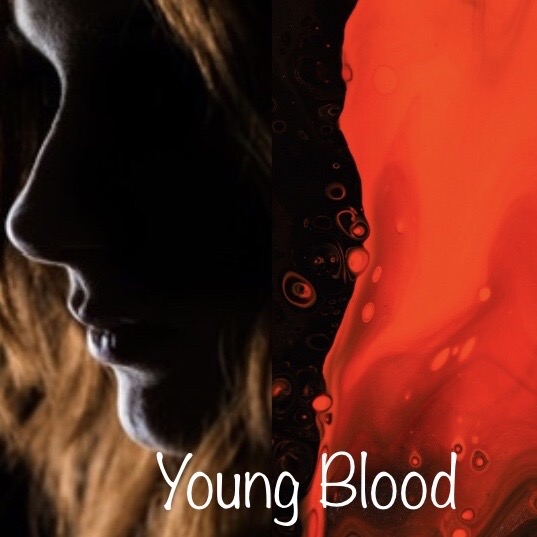
I’m sitting typing this on a dark, rainy afternoon thinking Autumn has truly arrived and on days like these it feels good to be indoors doing creative things. I’m still working on some final edits for my Young Adult thriller Young Blood. I don’t always talk much about books that aren’t out yet but I’m quite excited about this one and want to build up some momentum to the release (which will hopefully be in Spring). For Promise Me I did a launch online, two Octobers ago, when life still wasn’t quite ‘back to normal’, (whatever normal is these days!) and for Young Blood I’m hoping to have some fun organising a couple of in-person events.

I started working on this book a good few years ago, but it took me a while to settle on how to write it. The plot really started to take shape when I spent the weekend at the fantastic Chasing Time Writers’ retreat back in 2018, (which sadly is no more). I stayed in a big gothic style mansion dating back to the 1800s during the retreat, which was perfect as a similar house features in Young Blood and I found when I was there scenes started to jump into my head, helping me plot out the first eight chapters, which then gave me the momentum to really crack on with the book when I returned home. I finished my first draft in 2020 and then multiple rounds of edits took place. Last year I decided to give it some space, mulling over some further structural edits and now I’m nearly there with the final final draft. (Though I know there will still be lots of further proofreading and line edits!).

In the meantime here’s a short extract and blurb for the book:

“This place you’re taking me to, it sounds too good to be true. What’s the catch?”

She hesitated, lowering her voice, “It’s all true; the luxuries, the comfort

All they want in return is one little thing.

Your blood.”

Held captive in a gothic house, kidnapped teenagers from the care system are exploited by a wealthy ring of powerful individuals for their ‘pure plasma’ blood transfusions. To cure illness and chase the dream of eternal youth, no price is too high.

When fifteen year old Hope goes missing, her friend Ana starts to unravel dark secrets that could lead to her rescue.

But then Ana has to make an impossible choice, receiving an offer that could mean curing her mum of early on-set dementia, at the cost of friendships and lives.

Would you betray your friends to save your Mum?

At the same time as focusing on this project, I have a new book idea taking shape in my head (and sometimes on paper!) I’ve got lots of short notes about characters and plot and scenes that randomly keep popping in to my head. I can’t wait to properly get stuck in to get some chapters down. It might even turn into a series, and even although it looks like the story will have another teen protagonist, it’s a teen with a difference (I’m not revealing anything about this one yet!) and the themes lend themselves more to an adult novel, so that will be an exciting new challenge.

On Instagram this month I noticed a fun creative challenge #writetober23 created by the author Annalise Avery (you can find out more about Annalise and her books here) We’re given prompts every day to provide insight into our creative process.

I’ve found it hard lately to nurture my creative brain so I’ve found posting daily about my writing process and taking time to put together some creative Instagram posts has been really helpful to keep me in the right frame of mind! If you’re on Instagram you should join in, there’s still plenty of days left in October to get going! You can find the prompts on Annalise’s acccount – @annaliseavery and you can find me on at @victoriagemmellauthor

On Friday afternoon I was invited along to chat to the Storytellers Society at the University of the West of Scotland. It was nice to see students creating a space to talk about books and writing in amongst their studying.

Next month I will be visiting Erskine Writers to deliver a workshop on writing flash fiction which is always a fun topic.

Re-framing Rejection

Mysticartdesign Image – Pixabay

Recently I re-read Stephen King’s ‘On Writing’ and for me, it still stands out as one of the best books focusing on ‘the craft’. The memoir conversational style of writing throughout creates a very honest and accessible account of King’s journey to becoming a best-selling author, with the technical advice neatly threaded into the narrative in a way that makes you think this guy clearly knows what he’s talking about, as you can read he’s a natural storyteller within the pages of this book.

Things that struck me this time around when I was reading was the fearlessness and tenacity King showed as a young writer when he would study the stories in numerous short story publications, then submit, submit, submit. If he got a rejection (and there were many as he started out), he simply kept going, often re-working and quickly re-submitting elsewhere, all the time consciously developing his craft. He did what we should all do really – don’t dwell on the ‘no’, just strive to get better and to find your story a home where it fits. (Keep reading on and I’ll share a challenge which might help with this)

Ironically the one time King nearly gave up on a piece of writing was with Carrie, his debut novel that launched his career. When he started to write Carrie, it was as a short story, and he felt it just wasn’t working. I love the way King threads in stories about his wife Tabitha, often reminiscing about how she has supported him at key moments throughout his career. Nothing better illustrates this than when Tabitha retrieves the crumpled pages of Carrie out of the bin and tells King to keep going because she wants to see how the story ends. King reflects on what his experience with Carrie taught him and I’ll quote an abridged version here;

Don’t stop a piece of work because it’s hard (emotionally or imaginatively). Keep going even when you don’t feel like it, and ‘sometimes you’re doing good work when it feels like all you’re managing is shoveling shit from a sitting position.’ pg.82

Another section which stood out to me was when King described ‘the first time in (his) life, (when) writing was hard’. This was when he was working as a teacher, and even although he acknowledged the good parts – loving the kids and co-workers – he described ending the week feeling like he had ‘jumper cables clamped to (his) brain.’ (pg. 76) and it was the one time he, ..’came close to despairing about (his) future as a writer.’ I’ve included this in this post as it’s something, even with dropping a day at work, that really resonates with me. With a caseload of close to one hundred young people (doing indepth one to one work), and I’m now in an education setting one day a week, I understand the ‘jumper cables clamped to my brain’ description very well. It takes a lot to decompress, and stay creative.

Staying motivated to write when you have a lot of other things competing with your time is difficult. Especially if you don’t always see much reward.

So, something else I read lately which caught my attention, and actually gave me a spark of motivation, was an article about setting yourself Rejection Goals. You can read ‘Why You should aim to get 100 Rejections a Year’ here (The author of the article Kim Liao actually references King’s On Writing and the way he collected his initial rejections, nailing them to the wall, like a badge of honour).

The idea behind the 100 rejections goal is the more you submit, the more acceptances you are likely to get, and it quietens ‘your fragile ego.’ The perfectionist in me, never mind my fragile creative ego, thinks the psychology of this one is quite clever – if I can trick my brain into thinking my aim is to reach 100 rejections, I’m going to let go of any nagging doubts that I’m not good enough, and to let go of any disappointments of ‘set-backs’ because that simply is no longer the objective of my task.

So if you’re reading this and it seems like a great new challenge to embark upon, why don’t you join me?

We can sail into 2023 with the aim of racking up a lot of ‘nos’, or in the case of modern publishing, a big empty silence of never hearing back …

Good luck!

What does writing success look like?

Last year when I was trying to decide what direction to move in, (keep sending out Promise Me to agents, or try to independently publish), I reflected on the question: What does writing success look like to me?

I think this is an important question all writers should ask themselves every so often as I am sure the answers will probably change from year to year.

Years ago I would have given quite starry-eyed answers along the lines of: be published by one of the ‘Big Five’, have a best-selling book that’s on display in all major bookshops, be invited to speak at book festivals and big writing events, get mentioned in ‘important’ press coverage, have my book optioned for film (that one will never stop being a dream), be nominated for prestigious prizes…

Mostly now what is important to me is knowing that my work is being read, and connecting with an audience, whatever form that audience takes (i.e. I don’t really care about talking at big festivals anymore, though of course I’d never turn down an invite!).

Competitions have had a massive impact on my confidence as a writer, reassuring me at key points of my career that I should keep going, and giving me a much needed boost. Lately I have been lucky enough to have a couple of competition successes, winning first place in the Writing Magazine school-themed short story competition, which you can read here. I also just found out this week that Promise Me has made the Finalist round for the Book Award category of the Page Turner Awards. I think it’s important for writers to acknowledge and take stock of any successes and wins, as we get so many knock-backs along the way, and some of the lovely feedback I’ve had for my short story really has made my month!

But there are downfalls of course if you focus too much on the need for external approval, and in the latest chapters of The Artist’s Way, (yes, I am still working my way through this!), Julia Cameron talks about how if ‘creatives’ constantly chase ‘Fame’ and ‘success’, which is measured by others, it can be a massive block to our creativity and distracts from our enjoyment of the process.  On page 172  Cameron says, ‘…Fame..is addictive, and it always leaves us hungry. …The desire to attain it, to hold on to it, can produce the “How am I doing?” syndrome’, which she points out then makes us start to question our work in terms of, ‘not if it’s going well for us’ but ‘How does it look to them?’

Elizabeth Gilbert in Big Magic talks of something similar, when creatives let their Egos get in the way. ‘An unchecked ego is what the Buddhists call a “hungry ghost” – forever famished, eternally howling with need and greed’ (page 249) She also warns of viewing creativity on a ‘limited human scale of success and failures’ as it takes away from the ‘glory of merely making things, and then sharing those things with an open heart and no expectations.’ (page 70) In this section she quoted Harper Lee, (in response to questions around when her next novel would be released), “I’m scared…when you’re at the top, there’s only one way to go.”  (page 68).

Authors such as Harper Lee who had phenomenal success, in terms of sales and recognition, then ceased writing, fascinate me. Lee’s To Kill a Mockingbird was published in 1960 and sold 2.5 million copies in its first year, and won the Pulitzer Prize. Margaret Mitchell’s Gone With the Wind was published in 1936 and sold 1 million copies in six months, and also won the Pulitzer Prize. Harper Lee of course did eventually publish another novel Go Set A Watchman in July 2015, one year before her death, but a lot of controversy surrounded the release, with the revelation that the book was in fact supposedly an original draft of To Kill a Mockingbird and many said if Harper Lee had been of sound mind, would not have agreed to the release.

Regardless of this, there is no denying that Lee obviously felt pressures after her debut success. Some articles I came across have quotes where she said, “Success was just as scary as failure.” “Public encouragement, I hoped for a little, but I got rather a lot, and in some ways this was just about as frightening.” (The Telegraph, Feb 2016 – read full article here)

In articles I found about Mitchell, it appeared that she had devoted so much time to writing and researching Gone with The Wind (eight years), that she had no desire to go down that road again, and was quoted as saying to a NY reviewer, ‘I wouldn’t go through this again for anything.’ (see Georgia Women article here) Mitchell was also thrust into the spotlight, accumulating thousands of fans, who would send her fan mail, with Mitchell attempting to respond to every letter. In one response she addresses a fan’s question about writing a sequel , ‘Even if I had the urge to write another book, I do not know where I would find the time, for my life, since the publication of my novel…has been lived in the middle of a tornado.’ The full letter can be viewed here Other articles cite that Mitchell was heavily involved in political positions and then World War II struck in 1939, which would have of course been a distraction. Mitchell also met an untimely death in her late forties when she was struck by a taxi, so who knows if she would ever have changed her mind about penning another book.

A writer I have much admiration for is Donna Tartt who has written three books in thirty years. You can see her being interviewed here When the interviewer asks her ‘If she could become prolific and get faster with effort’ I bet she felt like slapping him (like she isn’t already putting in a lot of effort?). Instead she smiles sweetly and says, “I’ve tried to write faster and I don’t really enjoy it.” Her debut novel The Secret History was a best-seller, and had an initial print run of 75,000 (as opposed to the publisher’s usual 10,000), so you could say Tartt has the luxury of a decent sales history (see what I did there), to allow her time to create, but I am sure she must have kicked back against immense pressure from the publishing industry to produce more; faster, after her initial success.

In a world which is obsessed with producing and consuming it’s kind of refreshing to see a writer who will say, I’m doing this my way, at my pace, and you can all just wait for my genius to unfold.

Bibliotherapy and Bookshops

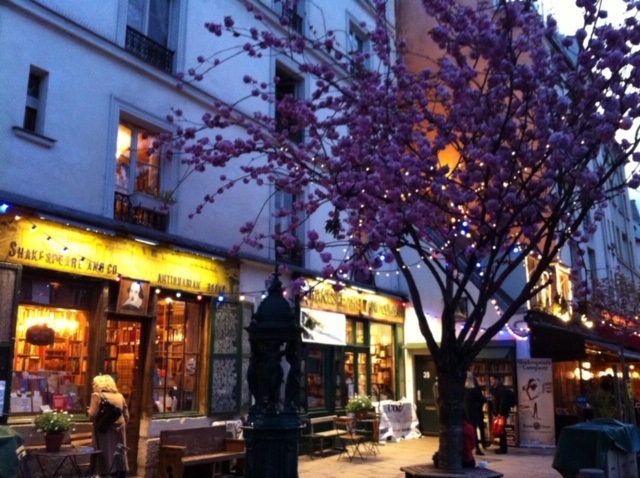
Shakespeare and Co. Bookshop, Paris – taken on my visit in 2012

A social media post caught my eye last week in which someone mentioned they had been gifted an appointment with a Bibliotherapist in a book shop. Curious, I started to do some research on google and came across The School of Life bibliotherapy service (see here), where you can book a consultation with a bibliotherapist who will ‘explore your relationship with books so far and your unique reader identity will be sketched.’ Dream job, anyone?

Other sites relating to psychology and therapy go into detail about the more formal practice of Bibliotherapy being used as part of a structured psychiatric treatment where creative storytelling and the selection of specific texts are prescribed. The recognition that writing and books (and other forms of storytelling) can have a positive impact on mental well-being is something I think is so important. In past creative workshops I have often discussed with the groups how writing can give them a voice, and how books can open up worlds and introduce characters that can help them to feel understood, or offer new perspectives, or simply just provide some much needed fun and escapism if they are having a bad day!

A visit to a welcoming bookshop can be just as enjoyable as the experience of reading. At the top of my post is a photograph of one of my all-time favourite bookshops, Shakespeare and Company in Paris. I first visited here back in 2012 on a solo trip to Paris where I stayed around the corner. The bookshop is full of lots of interesting nooks and crannies, including alcoves with typewriters and walls plastered with pinned notes from visitors around the world. During one of my visits a teenage girl played a haunting tune on the piano upstairs and I remember sitting in the room, surrounded by books and strangers and thinking I could stay there forever.

During the summer I have visited some lovely bookshops a bit closer to home, where I’ve enjoyed chatting to the passionate owners and booksellers (about books, and also writing and publishing!)

I am sure they are offering their customers a good dose of Bibliotherapy on a daily basis without even realising.

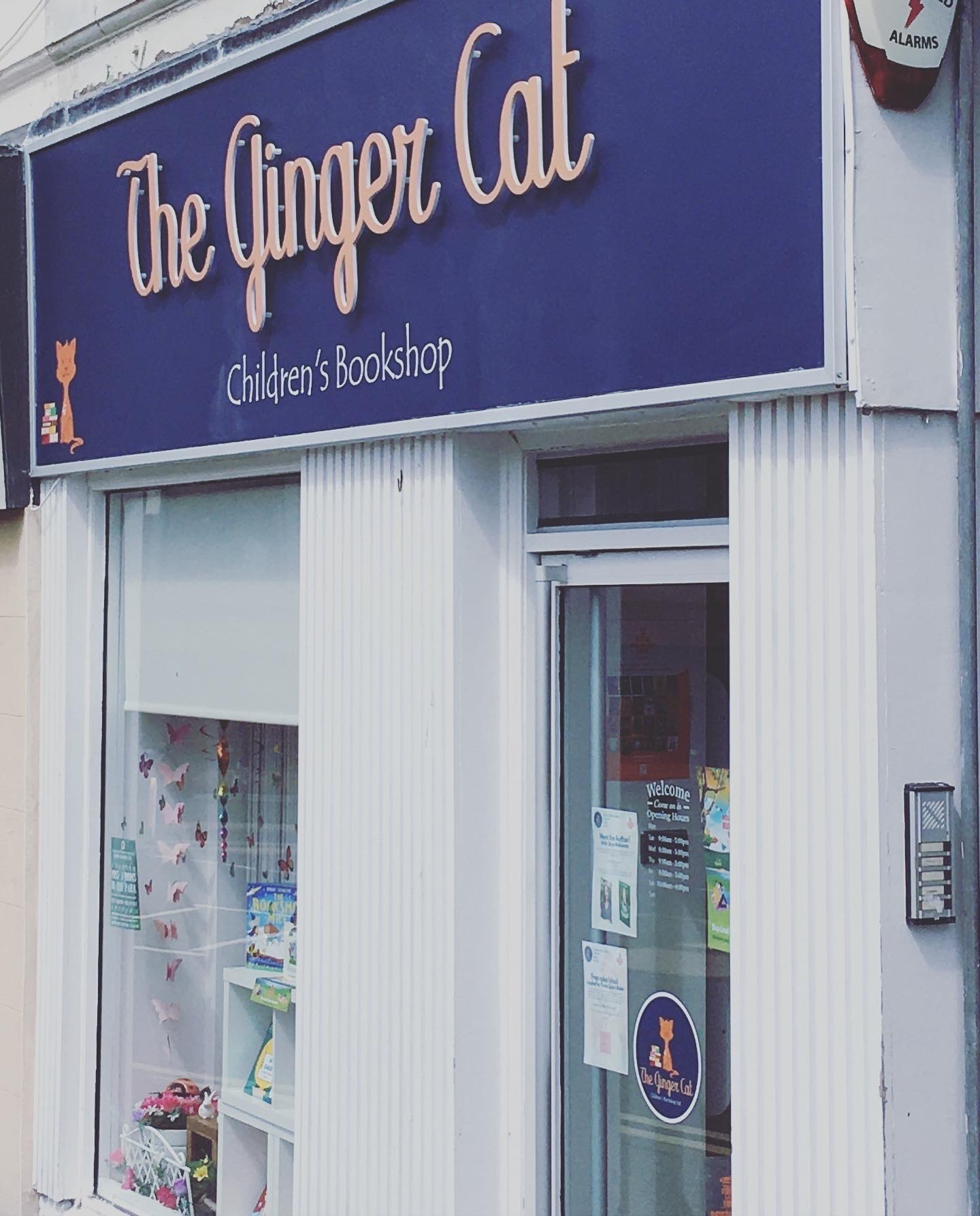
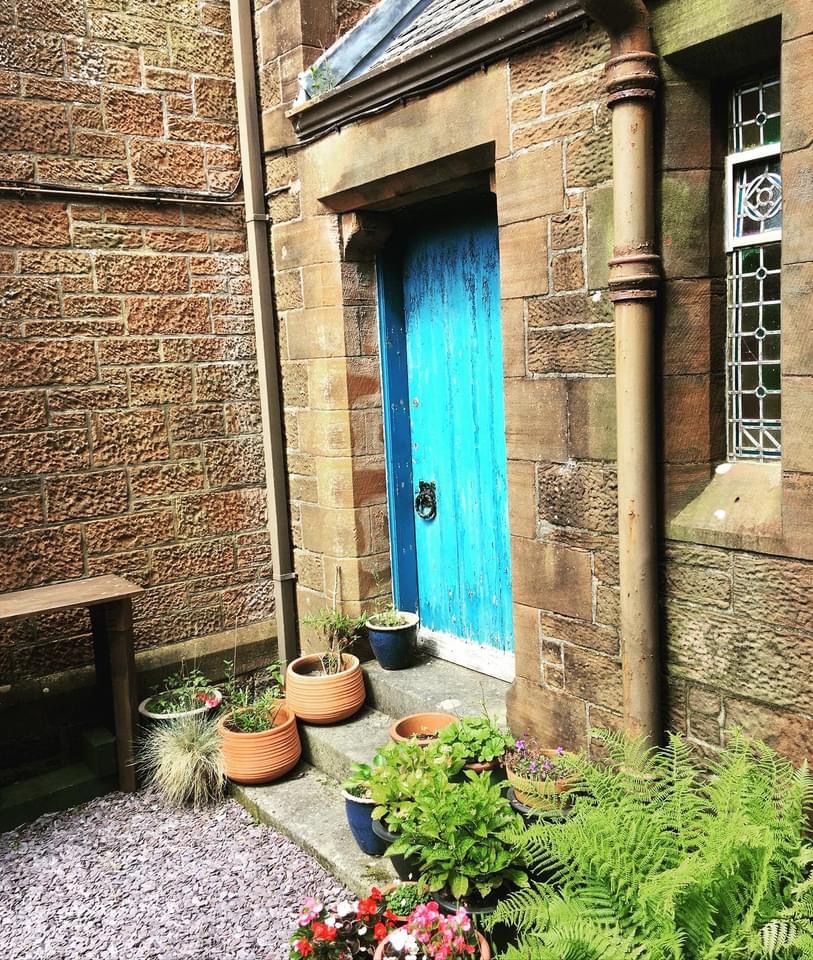
I’ve posted photos and links to the bookshops below.

What’s your favourite bookshop?

If you can’t visit the bookshops you can still support them online by placing a book order via their page on Bookshop.org:

Seahorse Bookstore

Ginger Cat Children’s Bookshop

Timberbooks