Interview with a Writer ~ Myra Duffy

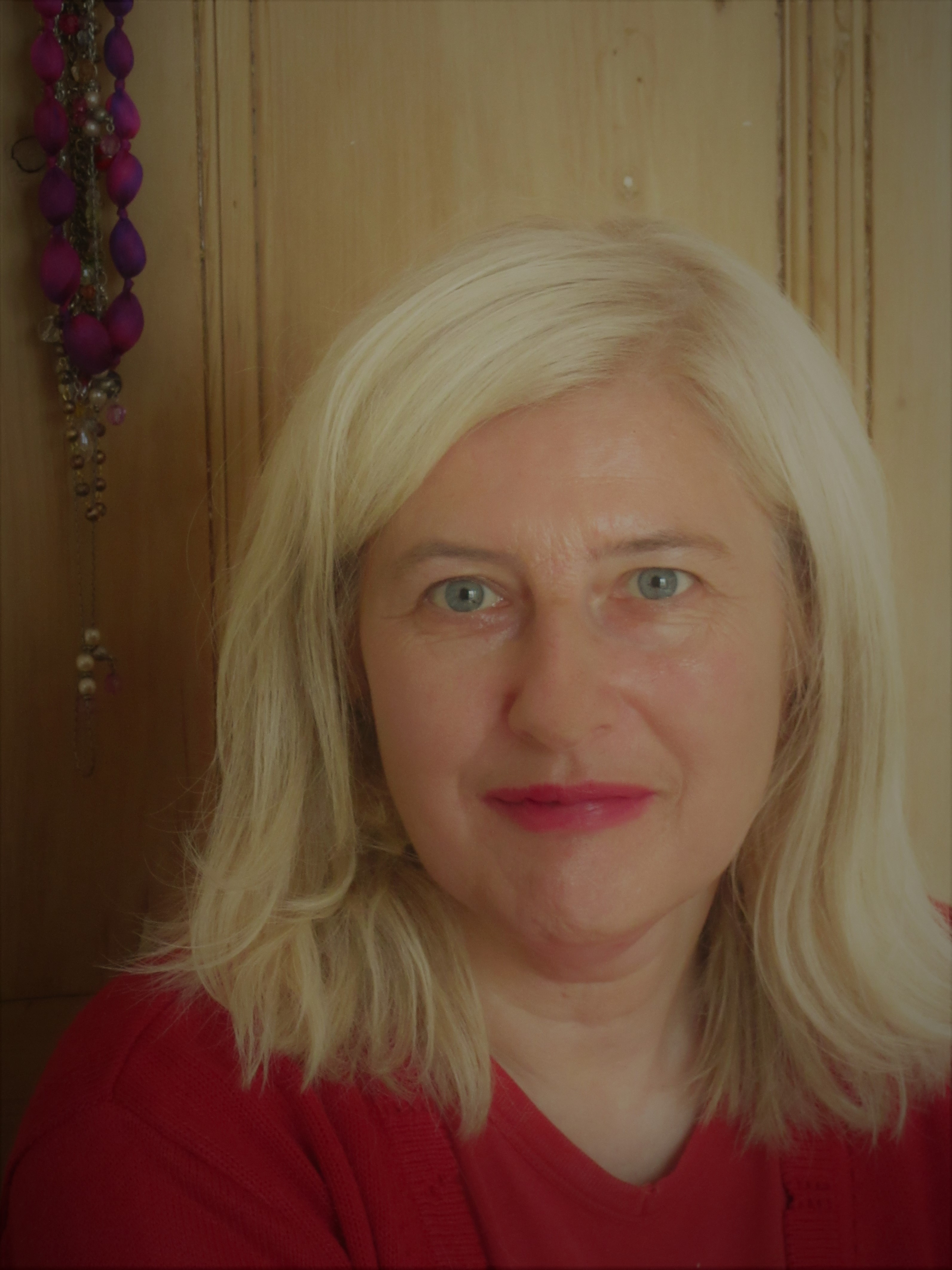
After a short break from the blog last weekend, this week I’m delighted to welcome writer and friend Myra Duffy to my ‘Interview with a Writer’ feature. I’ve known Myra for many years, first meeting through a local writing group. I always enjoy catching up with Myra, (these days, usually at the annual Scottish Association of Writers’ conference), and we’ve had many chats about writing over the years, but I loved finding out new things from this interview. Winning a poodle as a prize for your first writing success, is a story in itself…

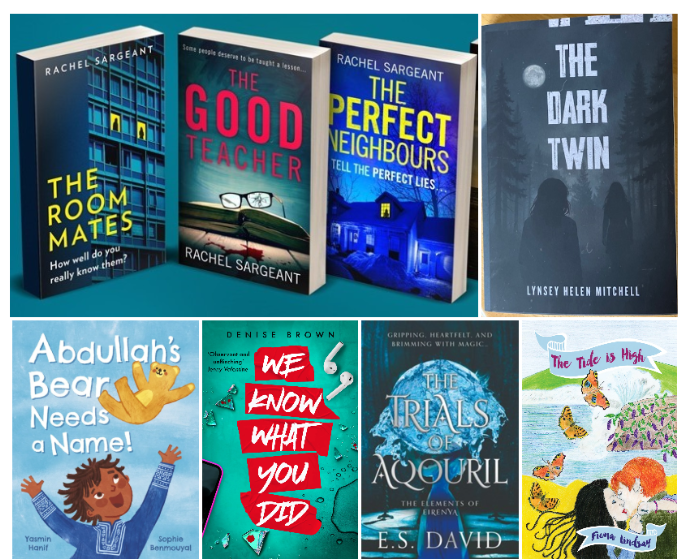
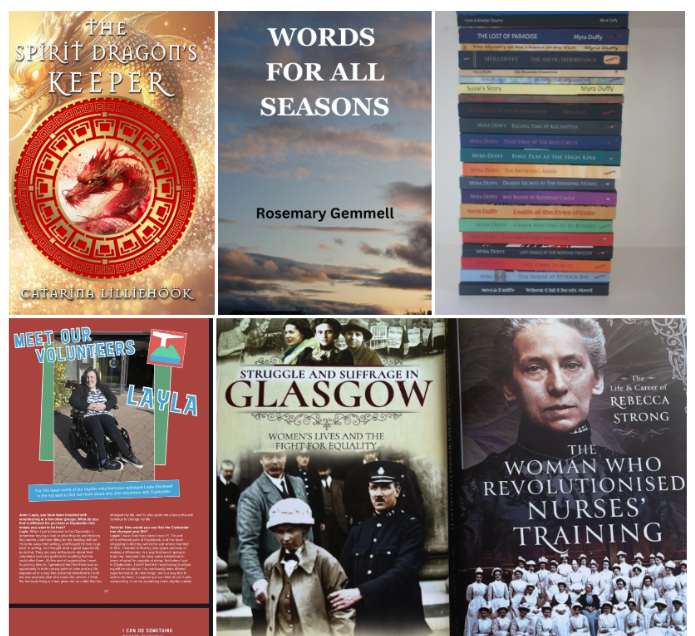
From the photograph of the stack of books you will see how much work Myra has penned over the years. Quite an achievement, and from the abundance of ideas referenced in the interview, it sounds like there will be many more books to come. As mentioned below, Myra is probably best known for her cosy crime series, set on the Isle of Bute, which is a great setting for a mystery series. If you love Richard Osman, then instead of buying his new book for Christmas (he’s famous enough!), give Myra’s series a go.

Myra has built up quite a fan club over on the Island and as well as finding her books via the link at the bottom of the post, if you are ever over on Bute be sure to pop into the local Bookshop Print Point where you will be able to pick up copies of Myra’s books. And if you happen to visit during the Bute Noir Crime Writing Festival, look out for her Isle of Bute Book Mystery bus tour!

Author Biography

Myra Duffy writes a variety of fiction and non-fiction but is best known for her cosy crime series set on the Isle of Bute, a small island just off the West Coast of Scotland. There are twelve novels and four novellas in the series featuring Alison Cameron, “an ordinary woman who finds herself involved in extraordinary events.” Myra says, ‘The island has a fascinating history, and this provides the inspiration for much of the action in my novels.’ Myra divides her time between Glasgow and Bute where she has long-standing family connections. She is a member of the Society of Authors and of the Crime Writers’ Association.

When did you first start writing?

I was 9 years old when I wrote my first novel ‘The Twins’. I was heavily influenced by Enid Blyton whose books I read avidly, as so many children did. I still have a copy but at 960 words I don’t think it was ever going to make the best seller list!

What do you write?

I’m probably best known for my contemporary Isle of Bute mystery series featuring Alison Cameron, but I like trying different genres. I’ve written a romance, ‘Love is Another Country’ set in a riding stables in Dumbarton, Scotland, and a contemporary novel, ‘The Lunch Club’ set in Glasgow. I’ve also written a children’s novel, ‘The Mystery of the Queen of the Inch’ set on Bute.

Last year the first in a new series was published, ‘The Lost of Paradise’ – a crime story set in Glasgow.

And at the end of 2024 I had a launch in the Bute Museum for the first in my new Bute series ‘The Ascog Inheritance’ – this time set on the island in the Victorian era. I really enjoyed doing the research for this one.

My problem is I have so many ideas: at the moment I’m concentrating on finishing the second in the Isle of Bute Victorian series as well as the sequel to ‘The Lost of Paradise’, but I have a number of other manuscripts in various stages of completion, including a Science Fiction novel and a Western!

What was your first published piece of work?

When I was 13 I won a competition organised by The Sunday Mail. The prize for this wasn’t what you’d expect – it was a dog, a poodle to be exact. Something that would most certainly not be allowed nowadays.

Why do you write?

I’d love to say I have some high-flown reasons for writing but the truth is that I write to stop the characters pestering me!

What, or who, has helped you on your writing journey?

So many people have helped me over the years. I’ve always found writers are such a supportive group. I was a member of Erskine Writers where winning in some of the competitions was a terrific boost to keep going when I had doubts. I’ve had brilliant Beta readers (I can be rather slapdash in my haste to finish the story). And I must make mention of two special writer friends: Joan Fleming (now sadly deceased) and Rosemary Gemmell (www.rosemarygemmell.co.uk) whose help has been invaluable.

Share a writing low with us. What did you learn from this?

My writing low was recent – I’ve moved house and anyone who has done that knows how stressful it can be. Especially when (as I had) you’d lived in the house for a very long time (44 years) and you have masses of stuff to dispose of. I’m only now coming back into being able to concentrate on writing.

The lesson I’ve learned is to adopt a minimalist lifestyle – except for books. They don’t count!

Share a writing high?

I don’t think anything will equal the feeling when my first novel The House at Ettrick Bay was so successful. Fortunately it continues to sell well.

Share some of your favourite lines from reviews, or comments you have received about your work, which boosted your confidence (tell us what piece of work it relates to)

I’ve been lucky to have had a number of reviews online by readers who know Bute well, commenting on the authenticity of the island setting.

The first review I had in the (sadly now longer in production) Buteman newspaper was of ‘The House at Ettrick Bay’ saying my main character was ‘someone you felt you could have a cup of tea with’ which was exactly the voice I was aiming for.

Any tips for new writers?

There’s no option but to write and to keep writing. My first couple of novels are in a drawer somewhere. They will never be published but they were good for practising the craft of writing. Above all, I’d advise any aspiring writer to join a writing group either in person or online.

I benefitted greatly from my time at Erskine Writers and am now a member of Bearsden Writers. I’m learning all the time.

And for all writers; any tips for keeping motivated? And how do you find time to write?

Don’t dwell on past mistakes! And let your piece of writing go. Most writers have a tendency to revise and revise and revise. Yes, make it as good as you can but at some point you have to send it out into the world.

It’s more about making the time to write. There’s a saying that a writer has the cleanest house in the street – it’s so easy to be distracted. I try to keep to the 1000 words a day routine but even if you only manage 100 it soon adds up.

Do you have a regular writing routine, or do you write in frantic bursts?

A bit of both – I try to have a routine but from time to time that fails and I’m left writing frantically to meet a deadline.

Where do you write? (A dedicated space, or on-the-go)

I do have a tiny study in my new home but I prefer variety – a different room or (especially when I’m on Bute) the local library.

Any stand-out books you have read recently?

Marble Hall Murders by Anthony Horowitz is one. He’s a brilliant writer and this third in the series has plenty of puzzles and red herrings to keep the reader involved.

The other stand out one for me is Yellowface by Rebecca F Kuang – a delicious take on the world of writing and publishing. It’s not a new idea but the blend of humour and intrigue kept me hooked.

Where can we find out more about you, and your books?

Click this link to buy Myra’s books

See Myra’s website here (myraduffywriter.com)

Find Myra on Facebook @myraduffywriter and occasionally on Instagram @myra.duffy.92

Interview a Writer ~ Victoria Gemmell *yes, me


This week I’m doing something a bit different on the blog to fill a gap for a planned post (which will be coming soon…). I thought about just having a week off, but then decided to ask my husband to fire some questions at me last night, with the resulting interview posted below.

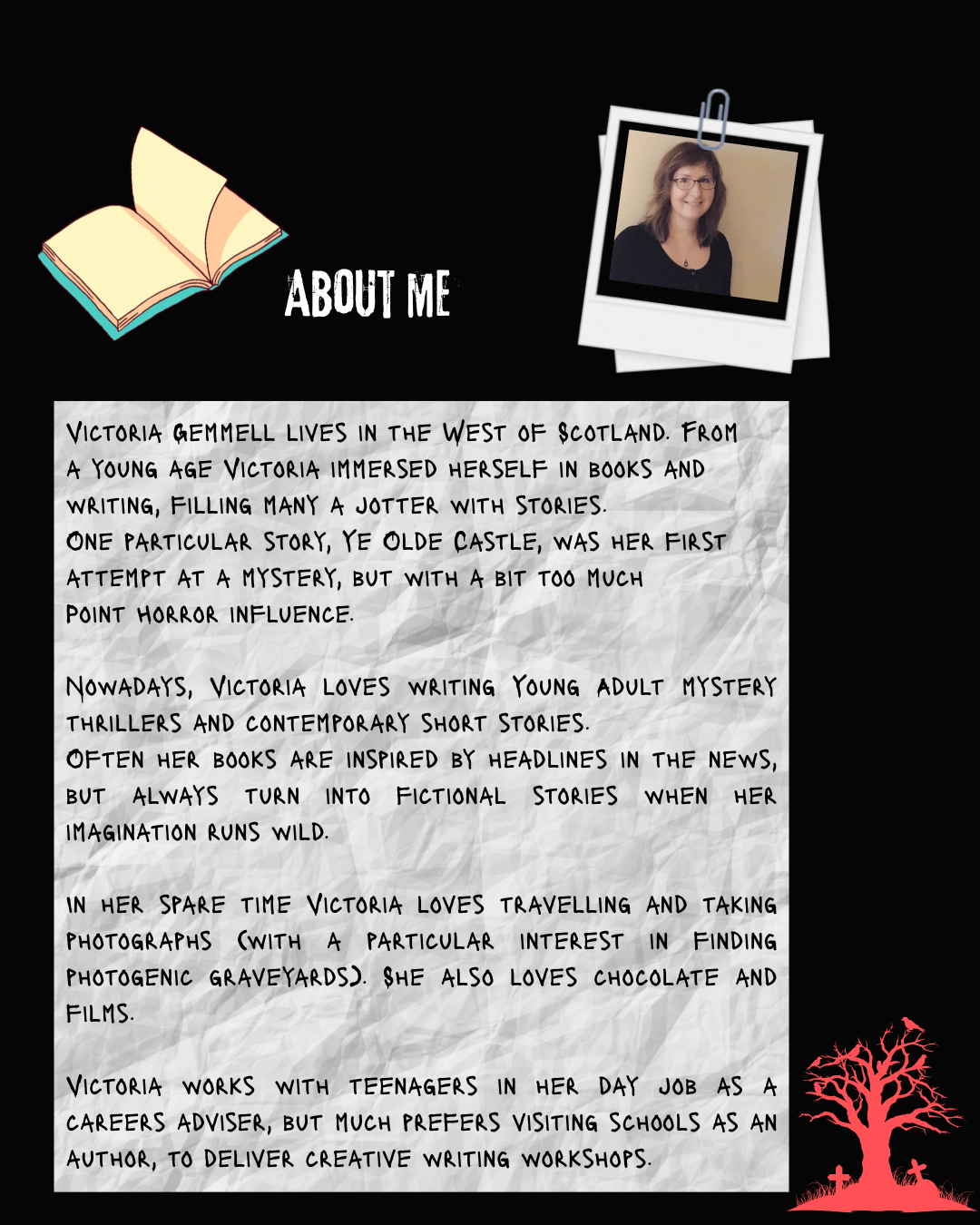
Author Biog (taken from my About Me page) :

Where do you get your inspiration for your books?

Headlines and articles in the news acted as a catalyst for the plots within all three of my YA Mystery/Thrillers. I imagined what would happen if fictional teenagers were placed at the centre of dark situations, (unexplained teen suicides in Follow Me; possible miscarriage of justice in a media obsessed teen murder case in Promise Me; the unveiling of an elite group who kidnap young people from the care system to extract their pure plasma to stay young in Young Blood) My teen protagonists start to uncover hidden truths that adults have been oblivious about, endangering themselves in the process. It’s not until my characters start to form, that the full story will start to unfold.

What do you do to get into a ‘creative headspace’?

Once a book starts to take shape I like to create a playlist for it on Spotify, choosing music which fits the ‘mood’ of the story. To this day there’s one particular Silversun Pickups album that I just need to hit play on and it takes me right back to the emotions I felt when I started to write Follow Me. Finding the right tone and ‘voice’ for a book can be challenging, and music helps me switch off the over-thinking part of my brain. When I’m thinking too much about a story I know it’s not working yet. You need to feel it.

What new book are you working on?

I’m attempting to write a middle-grade magic realism type story. I also have an idea for an adult thriller which might start to take over, so who knows which one I’ll finish first. At this rate it’ll be neither.

What do you think about the concept of AI written books?

Honestly I find it infuriating and worrying. About three years ago we started to talk about AI in work (in my day job as a careers adviser) and the impact it might start to have on certain careers. The topic was brought up on a regional staff day online and a colleague in another region flippantly said, ‘My friend has just written a children’s book with AI and is now selling it on Amazon’. I had to hold myself back as he was actually boasting about it; like it was an amazing achievement. There’s a lot of people out there who I think love the idea of writing a book, and saying they have done so, and love the idea of making money from it (ha, they’ll soon learn). The magic of writing for me is when your brain unlocks almost a super-power you don’t understand yourself; when characters form, ideas and words flow, and it all somehow connects together into a story. Often stories fall flat and don’t work out, and that’s important too. Trying, shaping and learning, and re-writing, and tapping in to your imagination. We’re already being brain-washed by algorithms and dopamine rewards online, which is disrupting our attention spans and the ability to feel ok being bored or at peace…and that’s when we do our best daydreaming and tap into our imagination. (I don’t think it’s a coincidence that I do some of my best thinking these days in the shower or bath!). I don’t want AI to steal our imaginations. It kind of feels like something from the plot of the Never Ending Story when Fantasia is threatened by ‘The Nothing’.

What do you find difficult subjects to tackle?

I shy away from writing anything which involves high-concept epic world-building (think space sci-fi series where characters have unpronounceable names.) I get bored reading this kind of thing, so I know I’d get bored writing it too, and I’d be really bad at it.

What do you enjoy writing about?

I love writing mysteries where I often don’t really know what has happened so I enjoy seeing the plot unfold as my characters develop. That’s the best kind of writing, where you feel like you’re the reader and the plot master rolled into one, and it’s amazing how much you can trust your subconscious to fill in blanks you haven’t even seen. (It’s often why I need to go back to re-write my endings as my characters take over and take me by surprise).

Where can we find your books? (click on highlighted links)

Young Blood: Amazon (paperback and kindle) on worldwide Digital platforms Order into: Waterstones Foyles

Promise Me: Amazon (paperback and kindle) on worldwide Digital platforms Order into: Waterstones Foyles

Follow Me – please contact me direct for a signed copy

Interview with a Writer ~ Fiona Lindsay

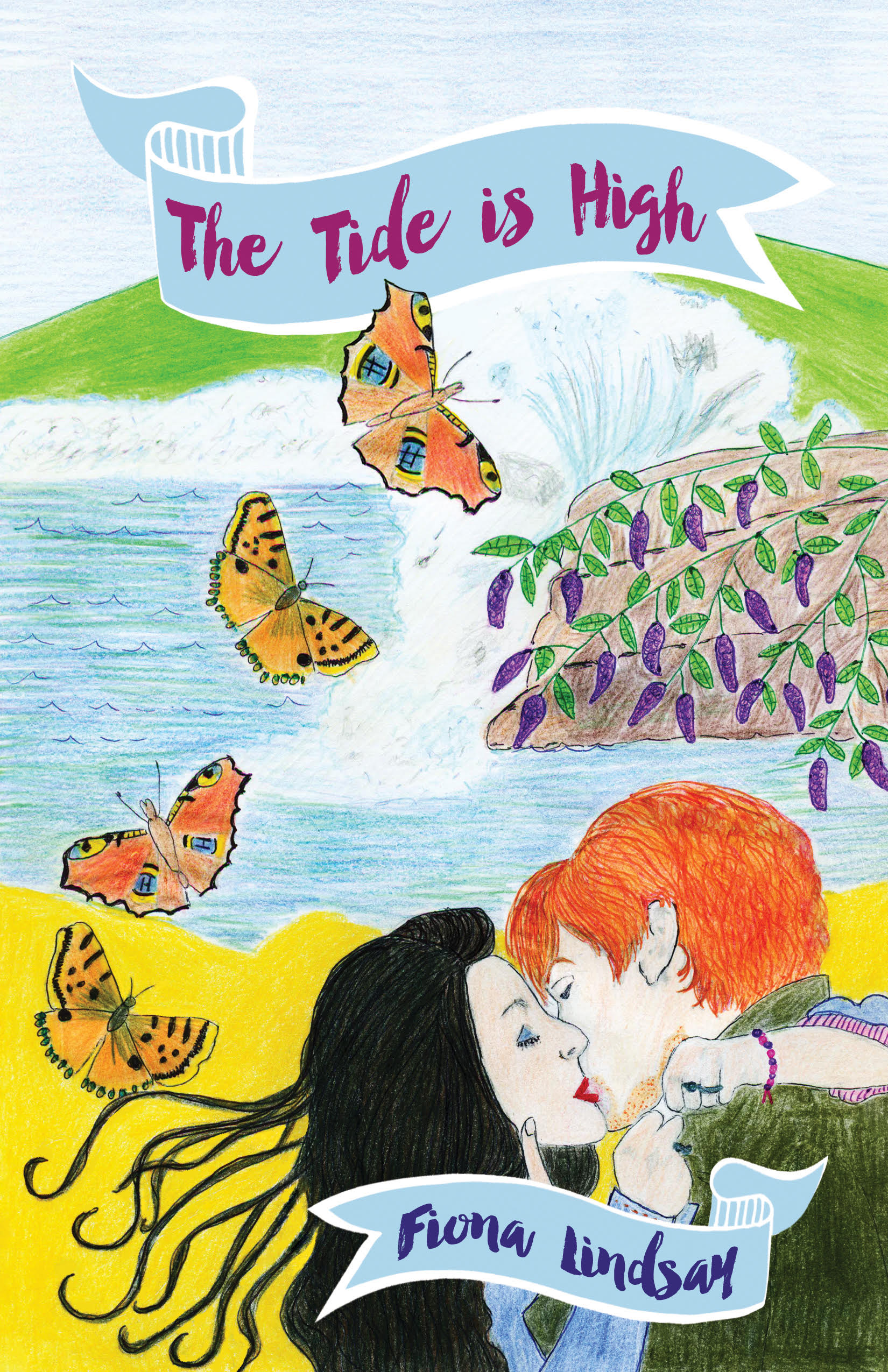
This week I’m delighted to welcome writer Fiona Lindsay to my blog. I think I first met Fiona when she came along to the book launch for my debut, (when Fiona was part of the Romantic Novelists’ Association at the same time as my Mum). That’s the nice part of being a writer and creative – when you become part of a ‘community’ of people who know one another. Case in point, Fiona collaborates with my friend, Rebecca aka Dainty Dora, for her lovely book covers (see above), for her Kirklochy series, and I also collaborate with Rebecca for some of my book covers.

Fiona’s feel-good Kirklochy series is set in a fictional village in Scotland, with an interlinking cast of lovable characters, with each book threaded with emotion, uplifting romance and humour. Read on to find out more about Fiona and her writing life. Links to buy Fiona’s books are at the bottom of the post.

Author biography

Fiona Lindsay grew up in a house full of books, has always loved reading and studied English literature at university, during which time she decided to start writing stories herself. As well as being a writer and seasoned performer, Fiona is an artist and collaborates on the design of her book covers. Fiona has also  published books for other writers.

When did you first start writing?

While at university. I loved books and had enjoyed some so much that I felt inspired to begin writing stories of my own.

What do you write?

I’ve written a series of four romantic comedies and a couple of plays, but I also write shorter stories and observational pieces.

What was your first published piece of work?

A short story called Nothing Special, in an anthology put together by Johnstone Writers’ Group.

Why do you write?

For self-expression, enjoyment and the communication of ideas. I hope to let readers into the world and the characters I’ve created and be entertained by them. Life is random and writing helps to give it some kind of shape.

What, or who, has helped you on your writing journey?

I’ve had a great deal of support and constructive feedback from Caro Ramsay and the other members of Johnstone writers’ group, and also via writing retreats led by authors Alison May and Janet Gover, but many other people have helped me over the years with insightful comments. Local writer, Tracy Patrick, skilfully edited my second novel, while other friends have done sterling work as beta readers. I’m also a member of the Romantic Novelists’ Association’s New Writers’ Scheme and have benefited from it’s critiques.

Also, the “instant feedback” received while performing is very heartening, as you can see at once if a piece of writing has landed. I appreciate the support of local writers Kathryn Metcalf and Gwen McKerrell for encouraging me to get involved.

Share a writing low with us. What did you learn from this?

I met with an agent who said that she loved my work, and would genuinely love to see more of it. I sent the book off to her, and never heard from her again (I understand that this happens to people often). But maybe it can be seen in a positive light also – that a big London agent rated me as a writer, although she didn’t follow through in the end. I learned to be resilient and I published the book – A New Flame – myself despite the disappointment.  

Share a writing high?

I wrote a short comedy play which was a spin-off from one of my novels, and it was selected by a group called Script to Stage to be performed by actors. It was great fun to see my characters brought to life, and also went down well with the audience. Otherwise, whenever someone tells me they, or someone they know, have enjoyed one of my books.

Share some of your favourite lines from reviews, or comments you have received about your work, which boosted your confidence (tell us what piece of work it relates to):

A New Flame:

I thoroughly enjoyed reading this delightful tale of many, very likeable characters. I particularly liked the aspects that highlighted the fact that not all break-ups of relationships are completely clear-cut. The happiest people are those who work through problems of unresolved issues before moving on properly takes place. Love comes in many forms and there are a number of types of love in this lovely read.

The Tide is High:

This is another wonderful story in the Kirklochy series. There are new, young, characters as well as a few familiar ones. Topics of love and grief are sensitively handled as is the transition from teenager to young adult. I read it in 24 hours as I couldn’t put it down!

Any tips for new writers?

Read widely and critically for inspiration and to learn the craft – don’t let the words wash over you. Join a writers’ group for support from other writers who can share their experience and offer constructive feedback.

And for all writers; any tips for keeping motivated? And how do you find time to write?

I think we need to acknowledge that writing is difficult and completing a novel is a lengthy job – so it will be very hard to sustain at times, but know that this is everyone’s experience and we can do it if we persevere. I’d suggest, if stuck and struggling to move forward, if you have a high-octane scene in mind for later in the book, jump ahead and write it and hopefully bring some excitement back. Also, reading an author you admire can be inspiring. Switching off and going for a walk or a swim is also helpful, as both make you think more constructively.  

Do you have a regular writing routine, or do you write in frantic bursts?

I don’t have a regular routine, but write whenever I have some free time to focus on it.

Where do you write? (A dedicated space, or on-the-go)

I live in the middle of a university campus, so I often write in the library, or else at the table in my cosy kitchen.

Any stand-out books you have read recently?

Julia, by Sandra Newman. It’s a retelling of George Orwell’s 1984, but from the point of view of Julia, Winston Smith’s lover.

Where can we find out more about you, and your books?

Links to buy Fiona’s books: (click on the title)

The Consolation Prize

Do Not Disturb

A New Flame

The Tide is High

Find Fiona on Facebook: https://www.facebook.com/tartanrouge

Interview with a Writer ~ Denise Brown

This week I’m delighted to welcome writer Denise Brown to my blog. Denise writes Young Adult mystery thrillers and when I read her debut I am Winter a few years ago, (now re-released as We Know What You Did), it stood out to me as it was so raw and real, with well drawn and believable characters. I always get excited when I come across other YA mystery writers who base themselves in Scotland, and loved finding out more about Denise’s writing journey, and tips! (Note to self: keep my phone off when I’m writing). It’s reassuring to discover I’m not the only one who doesn’t always follow a structured plan. Read on to gain an insight into Denise’s writing world…

Denise Brown is a freelance ghostwriter, proofreader, and copy editor, who still pinches herself some mornings that she gets to sit at her desk and write stories for a living. She often wishes that she could go back and tell her eight-year-old self that it’s okay to daydream because that’s where the magic happens.

Born in East London, Denise has now settled in Scotland where she feels certain she must’ve lived in a previous life. She loves dogs and snow globes and has a teensy obsession with Jack Skellington.

Her debut YA murder mystery I Am Winter was published by Hashtag Press in 2021, relaunched in November 2024 as We Know What You Did. Her second novel, It All Started with a Lie, followed in February 2024. Her third murder mystery No One Keeps a Secret was published in August 2025.

When did you first start writing?

I always loved books. I suffered from chronic shyness as a child – still do to be honest – and books were my escape from having to interact with people. It was the same with writing stories. But when I left school, writing wasn’t an acceptable career choice for a teenager from East London, so life took over, as it does. I got married, had babies, and repeated the process a second time. So, it wasn’t until later in life, when my children were growing up that I realised it was finally time to focus on me. I began studying for an English literature degree with the OU, took an advanced creative writing course, and have been writing ever since.

What do you write?

Personally, I write mystery thrillers for young adults, although I’m also working on a middle grade book too right now. As a ghost writer – I’ve been writing full-time since the pandemic – I mostly write niche romance and some omegaverse.

What was your first published piece of work?

It was a gritty YA novella called The Devil on Your Back, published by Salt. This was fresh out of my creative writing course and was a huge ego boost!

Why do you write?

Because writing is now like breathing. I can’t imagine a world without books or writing. I’ve been writing every day for the last twelve years, and stopping now would be like giving up food or air or my dog!

What, or who, has helped you on your writing journey?

My children have always been extremely supportive. They believed in me even when I had no belief in myself. Impostor syndrome is still there, but I think I’ve learned to deal with it more effectively these days. But I think the real turning point for me was being longlisted for the Bath Novel Award. It was the justification I needed to carry on despite the rejections because someone liked my writing and believed that my story was worth reading.

Share a writing low with us. What did you learn from this?

My first book I am Winter was noticed by a couple of people. A literary agent requested the full manuscript but decided not to proceed because she felt that it was too young adult for her list. Then I signed a contract with a relatively new publishing company, only to find a few months later that the book was too mature for their list.

What I learned from this is that a book will be discovered by the right person at the right time, and no amount of querying will ever alter this. If it isn’t a right fit for both author and publisher, then it is time to walk away and try again.

Share a writing high?

Well, the first one has to be the day I received an email from Helen and Abiola of Hashtag Press, telling me that they wanted to publish my first book I am Winter. Without them, and their relentless passion for their authors, I wouldn’t be sitting here now talking to you.

But I’d like to share another one with you also. In December 2023, I attended an Indie Book Launch with lots of other indie authors at Foyle’s Charing Cross to promote my second book It All Started with a Lie. While I was there, a reader came over and told me that she’d come specifically to meet me because she loved my first book so much. It was the best feeling, knowing that someone had read my book and enjoyed it that much!

Share some of your favourite lines from reviews, or comments you have received about your work, which boosted your confidence (tell us what piece of work it relates to)

A reader wrote this about my first book I am Winter, and it literally brought tears to my eyes because it was more than I could’ve ever hoped for when I first started writing:

“This YA novel has my heart, and Summer all my love.” (Summer is the main character)

But this (below) has to be one of my favourite quotes for It All Started with a Lie, simply because it’s honest and straight to the point, and it made me laugh:

“Every character was likeable, except the murderer. And Jed. F**k Jed. But everyone served a point (even Jed).”

Any tips for new writers?

Write every day, even if it’s a hundred words. No writing is ever wasted. And read for pleasure every day too. Because while you’re reading, your brain is subconsciously absorbing what works and what doesn’t.

And for all writers; any tips for keeping motivated? And how do you find time to write?

I write full-time, so the second question doesn’t really apply. But what works for me to keep me motivated is to never have a fixed outline to follow. I realise that this won’t work for everyone, but I find that I get easily bored if I don’t allow the characters to do their own thing within a loose storyline. Also, switch off your phone! My phone is always on silent. Which annoys my daughters when they’re trying to get hold of me while I’m working.

Do you have a regular writing routine, or do you write in frantic bursts?

I follow the Pomodoro Technique of writing in twenty-five-minute bursts and then taking a break from my laptop for five minutes to make a cup of tea, or do some hoovering, or cuddle the dog!

Where do you write? (A dedicated space, or on-the-go)

At my desk. Since my daughter recently moved out, I now have an entire room dedicated to my workspace, with views of the woods in the distance which is lovely. Unfortunately, I’m not one of those people who can write anywhere. I’ve tried writing on train journeys, but I suffer with motion sickness, so it simply doesn’t work for me, and cafés are too distracting.

Any stand-out books you have read recently?

The Mermaid of Black Conch by Monique Roffey. It’s a retelling of The Little Mermaid, and is so charming, and so beautifully written that I didn’t want it to end.

Other books that I absolutely adore are:

Imaginary Girls by Nova Ren Suma (quite possibly my favourite book ever)

We Were Liars (of course!) by E. Lockhart

And more recently:

The House in the Cerulean Sea by TJ Klune

Happyhead by Josh Silver

Where can we find your books, and find out more about you?

Denise’s books can be bought in Waterstones, WH Smiths (now TG Jones) and on Amazon

Author website: About | Denise Brown Author

Instagram: Denise Brown Author (@denisebrownuk)

Interview with a Writer ~ Lynsey Helen Mitchell

Today I’m delighted to feature debut author Lynsey Helen Mitchell on my blog. Lynsey is a friend and colleague. We work in different offices now, and I was excited when I found out Lynsey had completed her Young Adult horror book. Not for the faint-hearted, The Dark Twin, is a perfect tense read for when the nights draw in, and you want to scare yourself a bit…. Here’s Lynsey’s interview below, and I wish her lots of luck with her writing career (have to add I admire the motivation to write in the morning before work!). Links to Lynsey’s social media and where to buy her book are at the bottom of the post.

Biography

Lynsey was born in Clydebank and studied Creative Writing and English Literature at Middlesex University, graduating in 2011. She is employed as a careers adviser, and lives in the West of Scotland with her boyfriend and cat and they are expecting their first baby boy. Lynsey recently released her YA horror, The Dark Twin, which is her debut book.

When did you first start writing?

I started writing when I was a child, always enjoying any opportunity to write stories as part of my school work, and spending time at home writing stories. I would enjoy writing stories and poems about the family pets and different friends and family members.

What do you write?

I mainly enjoy writing fiction – short stories and longer pieces. I love horror and thrillers, so all of my stories are around this genre.

What was your first published piece of work?

The Dark Twin is my first published piece of work, although I’ve been published on a website for winning a short story competition before.

Why do you write?

Because I love it. I find it therapeutic to just get lost in my story and switch off from the real world.

What, or who, has helped you on your writing journey?

Speaking to other writers, like Vikki and learning about their experiences. The book On Writing by Stephen King gave me a lot of insight into the mind of one of my favourite writers and how they found their (very successful) writing style. Taking part in challenges like NaNoWriMo help me to become productive. While it doesn’t produce a finished product, it helps to start a first draft and to get a proper feel for my story.

Share a writing low with us. What did you learn from this?

After losing my mum in 2013, I had so much going on, that the last thing I could think of was sitting down to write. I took the opportunity the following year to take part in NaNoWriMo to get myself motivated again and this helped me to rediscover my love of writing.

Share a writing high?

Publishing The Dark Twin. It was the NaNoWriMo project that sat on my shelf for far too long, so I was proud of myself for finally getting it published.

Share some of your favourite lines from reviews, or comments you have received about your work, which boosted your confidence (tell us what piece of work it relates to)

Some of the comments I received about The Dark Twin include:

“I couldn’t sleep a wink after reading it.”

“Couldn’t put it down.”

Any tips for new writers?

Find a routine and style that works for you. Some writers advise to write every day, but that doesn’t work for me. I prefer to write when I feel inspired.

And for all writers; any tips for keeping motivated? And how do you find time to write?

Like I’ve said, challenges like NaNoWriMo help to motivate me to sit down and write. In the last few years, I’ve found myself being more productive in the mornings, getting up a little earlier before work and getting some writing in before I start.

Do you have a regular writing routine, or do you write in frantic bursts?

I’m definitely more of a frantic burst kind of person. If I love what I’m writing, the story comes. Sometimes I feel like I need to write it down before I forget it!

Where do you write? (A dedicated space, or on-the-go)

I definitely don’t have a dedicated space. It doesn’t work for me. Sometimes it’s the kitchen table, sometimes the couch. Just wherever I feel most comfortable.

Any stand-out books you have read recently?

A few great books I’ve read recently include Keep it in the Family by John Marrs, Incidents Around the House by Josh Malerman and A Good Girl’s Guide to Murder by Holly Jackson.

Where can we find your book, and find out more about you?

A link to buy The Dark Twin: https://www.amazon.co.uk/Dark-Twin-Lynsey-Helen-Mitchell/dp/1068161507/

Author Website: https://lynseyhelenmitchell.co.uk/

Instagram: lynseyhmitchellauthor

TikTok: @lynseywrites

Interview with a Writer ~ Rachel Sargeant

After months of blogging about own my writing journey I thought it would be interesting to gain an insight from other writers about their paths to publication, inviting them to take part in an ‘Interview with a Writer’ feature. Today, I’m delighted to welcome prolific and talented writer Rachel Sargeant to my blog and I hope you enjoy reading about her journey as much as I did. Rachel has been a supportive online writing friend and reading her answers below really cements the importance of surrounding yourself with an encouraging community.

Read on to find out more about Rachel and her fabulous books (I’m reading The Roommates just now and it’s a page-turner!).

Rachel Sargeant is the author of The Perfect NeighboursThe Good TeacherThe RoommatesHer Deadly Friend; and Her Charming Man. After many years in Germany, she now lives in Gloucestershire. Her hobbies are visiting country houses and coffeeshops, watching amateur theatre and travelling with her husband to visit their grown-up children in various places around the world. She also likes chatting about books with readers and writers on her blog.

Thank you, Victoria, for inviting me to take part in an interview. I look forward to reading your interviews with the other authors taking part.

When did you first start writing?

Writing was my favourite activity at primary school. In my own time at home, I wrote a comedy sketch, a musical and… a bodice-ripper. I think the idea for that came from a story I read in a magazine in the dentist’s waiting room. When I got to secondary school, homework took up time, so I forgot about writing.

Years later, I moved to Germany and became a mum. On a rare night out, I went to a summer ball. A palm reader was present as part of the entertainment. She read my palm and was insistent I should write, so I did. That was 26 years ago, and I haven’t stopped since.

What do you write?

Crime, suspense and psychological thrillers

What was your first published piece of work?

A few months after the palm reader in Germany told me to write, I went to a writing workshop in Shrewsbury. The tutor was crime writer David Armstrong, the father of a (at the time) young, hopeful screenwriter by the name of Jesse Armstong, much later of Succession fame. David set a five-minute exercise about a crime scene. Feedback from him and the other students on my effort was really encouraging.

On the way home I bought a copy of Writing Magazine and saw an advert for their Crime Short Story competition. Buoyed up by the positive comments from the workshop, I expanded my hundred-word exercise into a sixteen-hundred-word story and, in a stroke of beginner’s luck, won the competition. That story became my first published piece of work when it appeared in the magazine’s competition supplement.

Why do you write?

I love getting ideas for plots, characters and settings from my head onto a piece of paper. I don’t really know why, but I feel as enthusiastic about writing now as I did as the eleven-year-old producing risqué historical fiction.

What, or who, has helped you on your writing journey?

My husband provides the means and opportunity for me to write and is my biggest cheerleader. As a press officer by profession, he comes up with innovative ways to promote my books.

Lots of other people have helped and continue to help. The greatest influence on my writing has been the students I met on my distance learning Creative Writing MA in 2013. When we were allocated to syndicates to exchange work, the four students in my syndicate transformed my writing life. They gave constructive but encouraging feedback, and I read their submissions in genres and styles I hadn’t encountered before.

Ten years on from the end of the course, I still exchange work with three of them. They’ve read the early drafts of all my novels and my PhD thesis. They are Fergus Smith, Peter Garrett and Jessie Payne, all excellent writers.

Share a writing low with us.

I worked on my MA portfolio for two years, but six weeks before it was due to be handed in, my tutor told me to rewrite it.

What did you learn from this?

What kept me going was the balanced perspective and support of my syndicate. They read vast sections of the re-write. The fourth member of the syndicate, Jenny, said to me. “I admire your resilience.” I’d never thought of myself as resilient, but at that moment realised I was. I keep that in mind whenever I have a writing setback.

The experience also taught me flexibility. There is a need to frame writing for specific audiences. I was tasked with rewriting my project to give it its best chance in front of the MA examiners. After the course, with more feedback from my writing buddies, I rewrote the portfolio again as a commercial thriller and secured an agent. The book was published by HarperCollins and became a bestseller.

Share a writing high?

I’m enjoying a writing high at the moment. The novel I spent four years writing as part of my PhD has found a home. The publisher, Hera Books, made the announcement this week. An Ordinary House will be published in 2026 under my new penname Rae Starling. Readers and authors have been leaving comments to congratulate me. It’s lovely to feel part of the book world.

Share some of your favourite lines from reviews, or comments you have received about your work, which boosted your confidence (tell us what piece of work it relates to)

I was touched when the late Nicki Richards, a lovely blogger and sadly missed, named The Roommates as one of her favourite reads of 2019.

I’ve been overwhelmed by the kind comments about my Gloucestershire Crime Series from readers I’ve met in person. I sometimes do book signings close to my home in Gloucestershire. Although I’ve lived here 15 years, I’m not from the county and I’ve taken liberties with Gloucestershire landmarks, renaming some, moving others around and completely inventing a few. I’m always nervous how my authorial reshuffle will go down with local people, but they’ve told me they enjoy working out what places inspired the settings.

Any tips for new writers?

Read, read, read and write, write, write.

The best way to get a feel for a genre is to immerse yourself in reading recent titles in that genre. You’ll absorb the rhythm, tone, characterisation, structure and descriptive style.  

And keep having a go yourself. In my experience, first drafts are hard; editing is easier, but you can’t edit a blank page.

And for all writers; any tips for keeping motivated?

Join writers’ groups. Perhaps take a formal course and meet fellow writing students. Engage with writers and readers on social media. Review other people’s books. Big up their new publications. Being part of a lovely tribe is a great way to feel motivated.

And how do you find time to write?

I’ve been writing full-time since October 2018. Before that, I wrote in the evenings after work. Before that I snatched an hour when my children were at after-school clubs.

Do you have a regular writing routine, or do you write in frantic bursts?

I usually deal with social media and read emails before I get out of bed, then sit at my desk from 9.30am. Apart from stopping to go to the shop or deal with chores, I’ll work through until 6pm. If I have a deadline, I might work in the evening too. I usually take weekends off.

Where do you write? (A dedicated space, or on-the-go)

A spare bedroom is my study. If the weather’s nice, I write or edit in the garden. Sometimes I’ll take a change of scene with a coffeeshop visit or simply sit in a different room in the house.

Any stand-out books you have read recently?

My standout read of the year so far is Her Many Faces by Nicci Cloke – clever angle, clever plot.

Other humdingers include:

The Crime Writer by Diane Jeffrey

Coram House by Bailey Seybolt

The Surfacing by Claire Ackroyd

Unknown by Heather Critchlow

I could go on. My Best Books of the Year post in December is going to be long.

Where can we find your books and find out more about you?

Link to buy Rachel’s books: https://t.co/89T86a9pon

Website: https://www.rachelsargeant.co.uk/

Twitter: @RachelSargeant3

Facebook: https://www.facebook.com/rachelsargeantauthor/

Bluesky: @drrachelsargeant.bsky.social

Instagram: https://www.instagram.com/rachelsargeant3/

Threads: rachelsargeant3

BookBub: @rachelsargeant3

Showing up (final post in series- blog post 15)

Back in January I decided to write a series of posts on here which focused on what my writing life has been like over the years. I wanted to share specific aspects that I thought might be helpful for writers just starting out, and also for seasoned writers who maybe just needed a reminder that we all experience very similar highs and lows, and to offer some encouragement to keep going during times you question your sanity, or ask yourself if it’s all worth it.

Over the past couple of months I’ve found it particularly difficult to focus on my writing. I’ve been struggling with tiredness and brain fog, a combination which isn’t great when you’re trying to plot and write a new book. But I’ve been determined to keep getting words down on paper/screen, and keep telling myself the first draft does not need to be perfect.

Embarking on a new book has reminded me of two important things:

It’s important to keep showing up

Each book takes shape in a different way

For my new project I’m trying to get words down not every day, but every week. That’s a win for me just now, and keeps the momentum going. Even although I was knackered yesterday I made myself sit down at my laptop and continue with my next chapter. I’m also doing my usual; scribbling notes in various notebooks and on the notes page on my phone. These pages are filled with plot ideas, characters and locations, that don’t yet have a place on the page, but I know they might eventually fit in somewhere, and it keeps the story ‘alive’ in my head. For me this is all part of the process.

I’d say so far my ‘work in progress’ is a bit messier than usual and as the book will require a lot of detailed description (to world build), I’m finding this is slowing down my natural writing style (which is usually a bit more dialogue heavy). I’m allowing myself to skirt over parts of the descriptions and will go back to fill it in later on. I know I’ll then enjoy it more because by then I’ll be able to see the whole plot laid out in front of me, and see what I need to do to enrich the world and bring it alive (hopefully) for the reader.

I usually like to edit and perfect my story as I go along, so I’m finding it challenging to allow myself to leave messy pages sitting in amongst the more polished ones. I’m used to writing contemporary stories, and this one has a magical element sitting alongside the everyday, so it’s teaching me that it’s okay to deviate from my usual way of working, as its a completely different style of story I am writing.

So as I draw this particular series to an end, if you have been embarking on a new creative project this year, or find yourself at the start of a new writing journey, my parting advice to you is simple:

Keep showing up.

No matter how messy your project might be looking right now, write through it, and come back and tidy up later on.

Watch this space for some insights into other writers’ journeys. I’ve not quite decided what this might look like, but after capturing some of my own experiences over the years, it’s made me curious to hear from other writers, and see what words of wisdom they might have to offer too.

Happy writing!

Here are links to all of the previous posts of the series for easy access:

Starting Out

Learn Your Craft

Learn Your Craft 2

Inspiration is Everywhere Part 1

Inspiration is Everywhere Part 2

Inspiration is Everywhere Part 3

Make Every Word Count

Competitions and Connections

Submission Stories Part 1

Submission Stories Part 2

Don’t wait for the phone to ring

Creative Space

Riding the Rollercoaster

What sells books?

Happy 1 year book-versary to Young Blood

This time last year I released my Young Adult crossover thriller Young Blood out into the world so I thought I’d do a post to mark the milestone.

This week I am also running a give-away alongside Ornate Alchemy on Instagram, where you can win one of their beautiful custom-made Bloodstone pendants , and a signed copy of Young Blood. If you live in the UK head over to our Instagram pages to enter: @victoriagemmellauthor @ornatealchemy You have until 5pm Friday!

It always feels strange once a book reaches publication. You spend years perfecting the story, (I’ve not yet mastered a quick turn-around), pouring a lot of heart and soul into the pages, spending hours with the characters in their world, and then suddenly it’s not just in your head anymore; it’s out there on paper for anyone to read. And then you go through a mix of emotions when you realise people are buying the book and actually reading it. What will they think? Will they enjoy it? Will they get past chapter one? Will they like that character as much as you enjoyed writing them? Will they get angry and emotional in the right places? It always delights me (and fills me with relief), when someone tells me they finished my book and loved it. This happened actually at the weekend when a friend’s mother-in-law told me how much she enjoyed Young Blood and was interested enough about the story to ask me about the inspiration behind it.

She said something along the lines of, ‘You write in a lovely way.’ These kinds of comments are so appreciated; I don’t think people realise how much writers need to hear this sometimes. Not to feed our egos, but to motivate us to keep going. I’m at the early stages of writing a new book just now and it always feels like a tricky stage, when nothing is fully formed and you are constantly questioning if this is any good or if it’s the most boring trite that you’ve ever attempted. The characters haven’t all appeared yet, and the ones who have, are still not showing you their true motivations; the setting is still taking shape, the plot has lots of holes and you’re not quite sure what’s next, but you are hoping if you keep writing all will be revealed.

In Scotland, where I live, we’re not very good at celebrating our achievements, often downplaying ourselves in self deprecating ways. Oh you enjoyed my 100,000 word novel, och that was nothing really. Just a little thing I did. Actually it was a big thing, and I locked myself away in a room by myself for hours on end to get the words just right and showed up, and didn’t give up, and saw it all the way through to the final end of being able to hold the finished copy in my hands…

Here’s some extracts from some favourite feedback and reviews I’ve received about Young Blood since it’s release. One of them was written by my Dad; you might think that’s embarrassing and a total faux pas to even mention, a bit like the bad example pitch emails to agents ‘My Mum told me this is the best thing she’s ever read in her life so I know this is going to be a best-seller.’ But actually my Dad hasn’t read much of my work over the years (no slight to him; he doesn’t read much teen fiction, believe it or not! And now he is retired he also has more time on his hands). I think he was maybe a wee bit surprised by how much he actually enjoyed Young Blood, and I was delighted that he did.

The standard of writing is superb, with excellent descriptions of characters and locations without becoming boring. As the mystery progresses you desperately want to find out what is going to happen. This thriller is a compelling read for the YA market and adults alike and I’m not just saying this because I’m Victoria’s Dad! Great Christmas Gift! (hey people get your Christmas shopping in early! – that’s me adding in this comment)

Wow!

Only 19% in and I was on tenterhooks and by half way through I was desperate to know what happened and took it to bed with me. Definitely not conducive for sleep but I just couldn’t put it down.
I loved the twists and turns that had me gasping. Credit for the author. I definitely recommend. A brilliant read!

Thrilling and involving, this is one not to miss.

Young Blood, the latest YA novel by author Victoria Gemmell is not a story for the faint-hearted….These characters are not cardboard cut-outs. They are richly developed, with flaws as well as virtues. Faced with almost impossible choices, a group of teenagers find the courage to challenge the powerful figures behind the conspiracy even though they know that their chances of winning are almost zero.

I was gripped by the story from the start- was a real page turner and was desperate to read on and discover how the plot developed! Can’t wait to read more from this author!

Captivating. This book is made for the big screen.

Great read! Really gripping and loved the character of Hope. Would make a fab film. (Hi, Netflix, are you reading?)

Loved it. Every bit as accomplished as a Good Girl’s Guide to Murder

Have I tempted you yet to take a chance on Young Blood?

If so here’s the links to Amazon to buy: and wider digital channels here: Order into bookshops here and here Abbey Books in Paisley might also still have a copy kicking about

(P.s It’s only £1.99 on kindle just now which is way cheaper than a nice coffee, and it will get your heart racing just as much as caffeine, and the buzz will last longer…)

What sells books? (blog post 14 of series)

As part of this series I felt it was important to talk about marketing. This is where I feel I let myself down as a writer as I don’t think I’m very good at promoting my work, or knowing how to be seen and heard in a world that seems to be full of people talking into cameras, shouting to be heard.

How do you cut through the noise, and get people to notice your work, and choose your book to read? What sells books?

Sorry if you read the title of this blog post and got excited, as I don’t have some magic answer to this question. If I did, I’d be quitting my day job and spending lovely days happily typing away immersing myself in my writing, instead of trying to stay awake enough in the evening in order to get words down on paper (or the screen).

Here’s some marketing tips I’ve read over the years:

Find where your audience hangs out and connect with them there

Talk about the story behind your stories

Do free give-aways and promotions

Do talks and events

Contact local press

Do a blog tour/connect with bloggers

Try sponsored advertising on social media

Join up with other authors and do joint promotions

I’ve tried variations of the above over the years. One of the most successful events I think I’ve even been part of (in terms of live sales made), was a Yay YA! schools event organised by the very supportive writer Kirkland Ciccone who invited Scottish YA authors to participate, made sure our books were ordered in and sold on site, and organised for hundreds of school pupils to be bussed in to the venue for the day.

I was in one of the theatre dressing rooms, where I was instructed to read extracts of my book to rotating groups of the school pupils, and honestly it was some of the best engagement I’ve ever had from teenagers. I felt like a celebrity that day as at break time I had a queue of young people waiting to get their book signed and I even had a couple chase me (literally) across the room, shouting my name and asking for my autograph. I sold out of books that day.

This event was a success because the schools who attended clearly had selected enthusiastic readers, and they had all been told a bit about the authors prior to the event (Kirkland had made up promo posters and information was shared online, with a build up on the lead up to the event). It was obvious some of the kids had already sought out our books before coming along, as one teacher approached me with a teenage boy in tow, explaining he really wanted to talk to me as he thought Follow Me was the best book he’d ever read. It showed me the power of other writers supporting writers, and teachers and librarians being supportive of writers, building up an excitement that made teenagers notice us and our books.

Other top events where I’ve made the most live sales have been my launches. On the night of my debut launch in Waterstones I had a great turn out and sold out the books my publisher brought along. When I did an online Facebook launch for Promise Me I hit the best seller lists that day on Amazon. I also made really good sales for my invite only in-person launch of Young Blood, and made decent sales the day I did an online Facebook launch. You should be able to view some of the posts from my Facebook launch of Young Blood here

During online launches I prepared visual extracts from my book, with insights into where the ideas came from, insights into some of the characters, and music clips to accompany some extracts. I encouraged engagement by posing questions, tying some of them to giveaways.

During my in-person launches I read short extracts from my books, had someone ‘interview’ me to ask pertinent questions about the story, and then opened it up to a Q&A with my audience. I went all-out at my Young Blood launch, turning it into a bit of a party with drinks and an array of snacks, balloons and table stands in colours matching my book cover. At both of my in-person launches I used the site Eat my Face to order edible cake topper covers of my book to stick onto cupcakes.

For events I often make up bookmarks and I recently made some postcards also – see images of them below. I use Vista Print for this type of merchandise, creating image layouts on Canva first.

A lot of the time when I’ve delivered workshops or community events I’ve been told I can’t sell my books, or I’ve taken some and made no sales. Libraries have supported me by buying in my book in advance (often creating a nice display to highlight my book). In Scotland authors are encouraged to join the Live Literature database – see here – which means when I deliver workshops and talks, (and a school or community venue has signed up to receive Live Literature funding), I am guaranteed a standard fee. The funding comes from Scottish Book Trust. So I do earn money from most of my events, but it doesn’t always then translate into book sales.

I’ve been fortunate to appear in newspapers, local circulars, and I was interviewed for Teen Titles magazine many years ago. I know from recent ‘press coverage’ it made no impact on my book sales at all. It’s a helpful way to build awareness and become ‘known’ which is part of a long-game of building up an audience, even if the audience can sometimes be participants in a creative writing workshop, as opposed to hard-core readers of my work.

I think ultimately what sells books is personal connections, and word-of-mouth recommendations. Librarians have bought in my books thanks to school colleagues mentioning my name; librarians I’ve met at events have then got in touch later down the line to ask me along to events (when I met one at a ‘Teen Title’ party she then invited me to talk to an assembly of 2nd years and it was two of them who then interviewed me for Teen Title magazine). A supportive colleague recommended Young Blood to a local book group and it secured me some new fans.

I know I buy books a lot based on personal recommendations all the time. So if you’ve enjoyed any of my books please, please, please, tell your friends about it! Also leaving a review on Amazon or Goodreads really helps too, or if you want to do that in the form of sharing a post on social media about my book that is also amazing. People take much more notice of that than any post I attempt to do about my own work!

I’d love to hear from writers with some top tips of your own.

And readers… what makes you buy a book?

Riding the rollercoaster (blog post 13 of series)

Photo by Itai Aarons on Unsplash

So far in this blog series I’ve talked about; perfecting your craft, where to find inspiration and tasks to help unleash your creative magic, the submission process, the importance of connecting with other creatives, and giving yourself space in order to actually create. One question I sometimes ask during creative workshops is What skills do you think a writer should have? And the reason I ask this, is to talk about the less obvious ones that I use all the time (such as communication skills that have nothing to do with the actual writing), but also the ‘softer’ skills that aren’t so obvious, that can help you navigate the highs and lows.

In my day job I talk about skills and strengths all the time when supporting clients to understand how to make good career decisions and set actions to move forward. Recently whilst speaking to a very intelligent client, (this is not breaching any confidentiality as there will no other identifying features other than saying they were very wise!), they said when reflecting on their own life and career paths they have realised what is the most important thing by far over anything (learning, setting goals, having ambition), is fostering resilience. He said you can set goals but inevitably life serves you a lot of curve balls, often forcing you to recalibrate your goals, or abandon them altogether. He said learning to adapt and understanding how to reframe helped him stay resilient and adapt throughout his career.

It was refreshing to hear him say this as it’s a massive part of what I try to help young people I work with in particular understand. I would add self-confidence (and belief), as another very important ingredient to allow you to have the energy to reframe.

If you want to be a writer in the sense of having ambition to be published, (by whatever means), and put your work out into the world to be consumed, two of the most important qualities to develop (alongside your craft!), is resilience and confidence.

In an online writing workshop I delivered back in 2020 (which I had to completely re-write due to the conference being transformed online during a certain pandemic!), I compared the writing journey to a rollercoaster. I am sure many writers have said the same. There are so many highs and lows, often on the same day hand in hand, that it takes a lot of resolve to keep focused on the most important thing:

Your words on the paper; not others

I just came up with that phrase today as a way of reframing my own focus. It seems obvious, when you are writing, to keep focus on your words, but it’s also easy to get pre-occupied by the words of others; reviews, or lack of reviews, rejections, sales reports mocking you with low numbers or zeros…

I’ve written in blog posts before about writers achieving goals, and then feeling they’re still not enough, because we’re always looking ahead to achieve the next one, or make a bigger success of the first one, and all the time dismissing the little wins that a year ago might have felt like a massive win. That can feel like a rollercoaster of reaching the top with one achievement and plummeting if we perceive things don’t go quite as well as planned.

In Aime McNee’s book We Need Your Art, (which I referenced a couple of months ago), in her chapter titled ‘On Failure’, she acknowledges what some of us might label disappointments, but she would rather label failures because she thinks we should embrace failure, as it can make us stronger artists, and encourage us to ‘get better’. I agree with a lot of what she says, as it ties in with one of my first posts on this series where I said I view my writing journey as an apprenticeship, where I am always learning, and as part of that I always want to improve.

She references Carol Dweck’s book Mindset. I’m familiar with Carol Dweck’s work as I attended a full day workshop years ago in my job which focused on her encouragement to foster a ‘Growth Mindset’ and how this should be applied to the school setting, in order to move more towards the attitude that it is okay to fail at things, and actually what is important is the effort you put into trying and learning.

On a recent break a couple of weeks ago I went to see the most spectacular stage show, Moulin Rouge, with my Mum, which was performed at the Edinburgh Playhouse. The whole production was electrifying; the set design, music, singing, dancing and acting. At one point I thought about the hours and sweat and pain that must have gone in to all aspects of the creation of the show, and how gratifying it must have felt for the cast (and hopefully everyone behind the scenes), to see the live reaction from the audience: the full house, the standing ovations, clapping and dancing and signing along at the end, the rapturous applause.

As a writer it is rare you get to have that kind of live reaction with your audience. Unless you do a lot of well-received readings (and I don’t think I’ve ever seen an author during a reading receiving a standing ovation lol). So we’re left to spend hours and hours labouring over our work, releasing it out into the world, and then we have no idea what impact (if any) our work has, unless someone happens to mention to us, or we read a public review. That’s hard! This is something Aimee again mentions in her On Failure chapter, saying ‘Silence is a very specific type of failure.’ (pg 205). When we put our ‘art’ out there and get zero recognition, or engagement.

I see creators on social media talking about this all the time; how they are struggling to get any audience engagement and want to just give up. Just last night I saw a comic strip post by a graphic novelist I follow on Instagram @christinmaricomics, who explores how demoralised she is feeling after the release of her graphic novel (Halfway There) feeling sales are slow, and not getting much recognition (that she perceives anyway) Part of the strip she posted said: ‘…While I don’t think most people make art for wealth or public recognition… those things help us keep making art because it gives our work credit.’ C. Mari I ordered her graphic novel after reading her post, and I’m looking forward to reading it!

When I was sitting in the audience at Moulin Rouge I thought imagine if no one had shown up to see this amazing production, how the creators would have felt, and how sad it would have been for such amazing work never to have reached a wide audience, or been appreciated.

How many creatives must feel this every day: back in the day before streaming the films which ‘released straight to DVD’ instead of the cinema, (but often became massive ‘sleeper hits’ many years later); the bookshop signings where no one shows, or the big retailers choosing to stock already established ‘celebrity’ authors, instead of stocking local authors who are the ones making real connections in local schools but will never reach bigger audiences without commercial outlets promoting them; the musicians who play to empty venues…When Snow Patrol first started to play gigs in Glasgow I was sometimes one of five in the audience at King Tuts and the lead singer Gary would often make a deflated joke about it, but still go on to pour a lot of heart and soul into his performance. Years later they now play to sell-out large stadium gigs so I’m sure he is glad he persisted, and didn’t give up.

According to multiple resources F. Scott Fizgerald’s The Great Gatsby didn’t sell well during his lifetime, and I’m sure we all know the tragic story of Vincent Van Gogh who only sold one painting during his lifetime (The Red Vineyard). How many talented artists never sell one piece of their work, or have it on display?

So many articles or posts about writing focus on surviving the submission process, and the multiple rejections, to get work out there. When I first put ‘my work out there’ I would have really appreciated a post like this, which acknowledges that feeling of rejection you will often experience when the work IS out there, which often hits a lot harder, and that is okay.

Often on social media we present all the highs of our experiences. There are many lows I never talked about when my debut came out: when my books didn’t show up at two big events I was part of (meaning I had no way of selling them to the attending audience); some of the first feedback I ever received was about the typo on the back cover (not my mistake which made it even more deflating!); or that my first ever public published review was quite a dismissive three star one (which wasn’t the issue, I tried to explain to a friend at the time. Three star reviews are part of the deal, and actually could be so much worse, but it was my FIRST one, and the only one showing against my book at the time). Even although I went on to receive many amazing reviews, I never forgot this was my first one, and that the person thought I could basically do a lot better. Agreed, but actually I am so proud of my debut, and there’s a rawness and sense of magic to my writing during that era that I don’t think I’ll ever be able to replicate.

Don’t try to be perfect or live up to others expectations. As a writer it’s your job to provoke many emotions, one of which will be disbelief from others that your work even made its way out into the world in the first place.

At least you tried. And created.

Here’s links to some work I have created